Ghost Fitness/Collagen/Does collagen help with anxiety?
Does collagen help with anxiety?
The short answer
One case exists, glycine: a 10g dose carries about 3g, the dose small trials gave for better sleep, and calming animal data. No human trial tests glycine or collagen for anxiety; collagen holds no claim. Exercise, therapy, a doctor hold evidence.
- The glycine casea third of collagen; ~3g in 10g; inhibitory neurotransmitter and NMDA co-agonist; small sleep trials; animal calming data
- The case's limitsno human anxiety trial of glycine or collagen; sleep trials small and subjective; a capsule dose carries a tenth of the glycine
- The registercollagen holds no claim; magnesium and several B vitamins hold normal psychological function, a maintenance sentence
- What has evidence for anxietyregular exercise in meta-analyses; psychological therapies; medicines where appropriate; a doctor's conversation
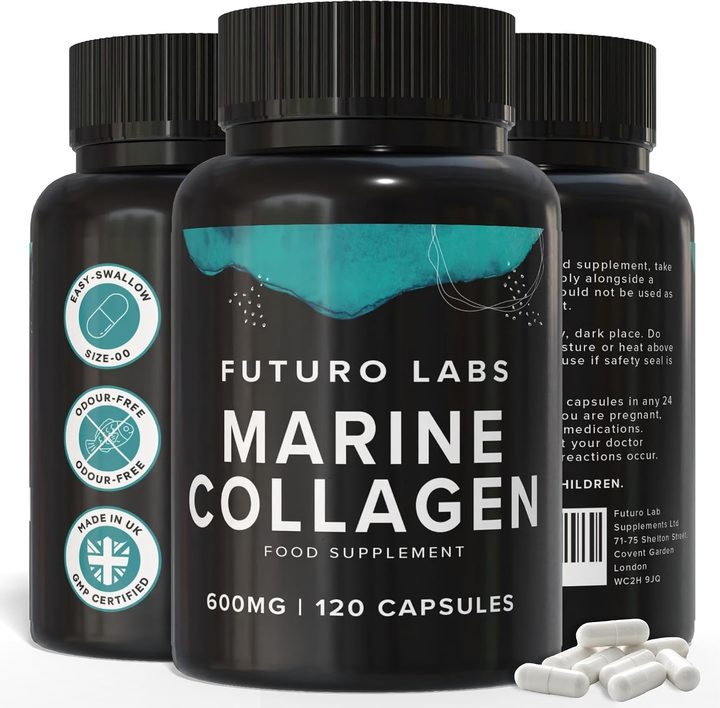
Our brand: the worked example on this page
Futuro Labs Marine Collagen
- 28p a day
- 120 capsules, 2 capsules daily
- Lab tested
- Made in the UK
A gram of protein and a third of a gram of glycine, on its true terms: Futuro Labs Marine Collagen on Amazon UK, 2 capsules, 1200mg hydrolysed type 1 marine collagen with 12mg vitamin C at 15% NRV plus zinc, 120 for £16.99, 28p a day, lab tested and UK made, a tenth of the glycine sleep dose, taken for vitamin C's collagen formation sentence and nothing to do with mood. Full label breakdown. Whether collagen can cause anxiety is on the collagen cause anxiety page; the mineral with the psychological function sentence on the magnesium glycinate anxiety page; the glycine sleep footnote on the before bed page.
The glycine case, made as well as it can be made, with the dose arithmetic
Does collagen help with anxiety is a question the shelf answers with a calming photograph, and the honest page answers by making the one case that can be made for it as well as it can be made, and then measuring it, because a reader with anxiety deserves the strongest version of the argument and an exact account of how far it goes. The case is the glycine case. Collagen is around a third glycine by weight, every third amino acid in its chains, so a ten-gram dose of hydrolysed collagen delivers around three grams of glycine and a twenty-gram scoop around six, and glycine is not only a building block but a signalling molecule: it acts as an inhibitory neurotransmitter in the brainstem and spinal cord, slowing the firing of the neurons it reaches, and as a co-agonist at NMDA receptors in the brain, with a documented role in the regulation of body temperature and sleep onset. The human trials that exist gave around three grams of glycine before bed to adults with poor sleep and reported better subjective sleep quality, an easier onset and less daytime sleepiness the next day on questionnaires, small trials but consistent in direction, and animal work has suggested calming and anti-stress effects of glycine in rodents. Put the arithmetic and the biology together and the case runs: a ten-gram collagen dose supplies the glycine sleep trial dose, better sleep and a steadier nervous system might follow, and a reader who sleeps better is often a reader who feels less anxious the next day, so collagen might help with anxiety by the glycine route. That is the whole of the case and it is not nothing; the honest page does not dismiss it. Now its limits, which are four. The sleep trials were small, subjective and about sleep, not anxiety, and sleep and anxiety are related without being the same thing. No randomised trial of glycine for anxiety in humans exists, and no trial of collagen for anxiety or mood exists at all, so the step from calmer rodents and better-rested sleepers to less anxious adults has not been taken by anyone. The dose arithmetic cuts the other way for most readers: a two-capsule 1200mg dose carries around 400mg of glycine, a tenth of the trial dose, so the case applies only to a reader taking ten grams or more of powder. And collagen holds no authorised claim of any kind, for mood or anything else, so the sentence on a tub is borrowed or invented.
What has evidence for anxiety, the register's sentences, and the honest answer with the doctor in it
What has evidence for anxiety is a different and better-stocked shelf, and a reader who came here with anxiety should leave with it. Regular exercise first, because it is the intervention a lifter already owns: meta-analyses of randomised trials find that regular aerobic and resistance exercise reduce anxiety symptoms in adults with and without anxiety disorders, with effects in milder cases comparable to some first-line treatments, and a lifter who is training consistently is already doing the one thing on this page with a body of evidence behind it. Psychological therapies second, cognitive behavioural therapy above all, which are the recommended first-line treatment for anxiety disorders and are reached through a doctor or, in many areas, by self-referral. Medicines third, where a doctor judges them appropriate, which is a conversation and not a page. The register's sentences sit beside those and should be read for what they are: collagen holds none, and the nutrients that hold normal psychological function, magnesium and several B vitamins, hold a maintenance sentence describing what adequate intake supports and not a treatment claim, so a magnesium glycinate taken for its register sentence is a maintenance decision and not an anxiety treatment, and this site says so on its magnesium pages too. The honest answer, then, with the doctor in it: collagen does not help with anxiety on any evidence that exists, since no trial has tested it; it may help sleep a little by the glycine route at powder doses of ten grams or more, which is a footnote and not a mood claim; a capsule dose does not reach even that; and a reader whose anxiety is new, persistent or interfering with life talks to a doctor, who can offer the therapies and the conversation the evidence supports, and does not run a six-month collagen experiment on their mood in the meantime. The secondary search, marine collagen anxiety, has the same answer, since marine and bovine hydrolysates carry the same third of glycine and the same absence of any mood trial. The worked example is stated for what it carries: two capsules, 1200mg hydrolysed type 1 marine collagen with 12mg vitamin C plus zinc, 120 for £16.99 at 28p a day, lab tested and UK made, around 400mg of glycine, a tenth of the sleep trial dose and nothing to do with mood, taken for vitamin C's collagen formation sentence. Does collagen help with anxiety: the glycine case is real and stops at sleep, in small trials, at powder doses; the anxiety evidence belongs to exercise, therapy and a doctor; and collagen is on neither list.
| The item | The claim | The evidence | The verdict |
|---|---|---|---|
| The glycine case | Collagen's glycine calms the nervous system | Inhibitory neurotransmitter and NMDA co-agonist; ~3g before bed improved subjective sleep in small trials; rodent calming data | A real case that stops at sleep |
| The dose arithmetic | A collagen dose supplies the glycine trial dose | ~3g glycine in 10g of powder; ~400mg in two capsules | Only at powder doses of 10g or more |
| The missing trial | Collagen or glycine for anxiety in humans | None exists | Untested |
| The register | A mood sentence on the tub | Collagen holds none; magnesium and B vitamins hold normal psychological function, a maintenance sentence | Borrowed or invented |
| Exercise | Reduces anxiety symptoms | Meta-analyses of randomised trials, aerobic and resistance | The lifter already owns it |
| Psychological therapy and medicines | First-line for anxiety disorders | The recommended treatments | A doctor's conversation |
| Marine collagen | A calmer collagen | The same third of glycine, the same absence of trials | The same answer |
| The worked exampleOurs | Two capsules, 1200mg marine collagen with 12mg vitamin C plus zinc, 28p a day | ~400mg glycine; vitamin C's sentence | Nothing to do with mood |
What to check on the label
- Grant the glycine case its size: sleep, small trials, powder doses.
- Do the arithmetic: three grams in ten; a tenth of that in a capsule.
- Keep training: exercise has the anxiety evidence a lifter owns.
- Read any mood sentence as borrowed: collagen holds none.
- Take anxiety to a doctor: therapy and the conversation, not a tub.
Our brand
The worked example: Futuro Labs Marine Collagen
Futuro Labs Marine Collagen: 2 capsules daily, 1200mg hydrolysed type 1 marine collagen with 12mg vitamin C and 1.5mg zinc (15% NRV each), 120 capsules for £16.99, 60 days at 28p a day, lab-tested, UK GMP made. Slim veggie-shell capsules, odour free. Fish derived: pescatarian, not vegetarian or vegan.
- Collagen per serving
- 1200mg hydrolysed type 1 marine (fish)
- Co-factors
- vitamin C 12mg (15% NRV), zinc 1.5mg (15% NRV)
- Serving
- 2 capsules a day
- Bottle
- 120 capsules, 60 days
- Price
- £16.99 (28p a day)
- Capsule
- slim size 00, veggie shell, odour free
Questions people also ask
Can collagen calm you down?
The one case is glycine: a ten-gram dose carries around three grams, the amount small trials gave before bed for better subjective sleep, and glycine is an inhibitory neurotransmitter with calming effects in animal work, so a powder dose may help sleep a little, while no human trial has tested glycine or collagen for anxiety and a two-capsule dose carries a tenth of the glycine.
Is marine collagen good for anxiety?
No better or worse than bovine, because the case is the same: marine hydrolysate carries the same third of glycine, the same small sleep trials stand behind it at powder doses, and the same absence of any anxiety or mood trial applies, with collagen of any animal holding no claim.
What supplement actually helps anxiety?
None holds an anxiety claim: magnesium and several B vitamins hold the register's sentence that they contribute to normal psychological function, a maintenance sentence rather than a treatment, while the evidence for reducing anxiety symptoms belongs to regular aerobic and resistance exercise in meta-analyses, to psychological therapies and, where a doctor judges, to medicines.
Does the glycine in collagen help you sleep?
In small trials, around three grams before bed improved subjective sleep quality and reduced daytime sleepiness, which a ten-gram collagen dose happens to supply, a footnote rather than a claim, with the warm drink and the routine adding to it, and nothing at a capsule dose, which carries a tenth of that glycine.
I have anxiety, should I try collagen first?
No: no trial has tested collagen for anxiety, so a six-month experiment on your mood would be time spent on an untested supplement while the evidenced options waited, and anxiety that is new, persistent or interfering with life is a conversation with a doctor, who can offer the therapies the evidence supports, with regular training the one thing on this page a lifter can start today.
Sources
- The glycine and mood literature: glycine acts as an inhibitory neurotransmitter in the brainstem and spinal cord and a co-agonist at NMDA receptors, with small human trials of around three grams before bed reporting better subjective sleep quality, animal work suggesting calming effects, and no randomised trial of glycine or collagen for anxiety in humans and no authorised claim. PubMed record
- The glycine and sleep trial literature: small randomised studies of around 3g glycine before bed reporting subjective sleep-quality changes, with no authorised claim resulting. PubMed record
- The exercise and anxiety literature: meta-analyses of randomised trials find regular aerobic and resistance exercise reduce anxiety symptoms in adults with and without anxiety disorders, with effects comparable to some first-line treatments in milder cases, and psychological therapies and medicines remaining the evidenced treatments for anxiety disorders, discussed with a doctor. PubMed record
- The GB claims register, magnesium entries: magnesium contributes to a reduction of tiredness and fatigue, normal psychological function, normal nervous system function, normal muscle function and electrolyte balance, among others. https://www.gov.uk/government/publications/great-britain-nutrition-and-health-claims-nhc-register