Ghost Fitness/Magnesium/What does magnesium glycinate anxiety do?
What does magnesium glycinate anxiety do?
The short answer
It maintains normal psychological and nervous-system function where a shortfall disturbed them, which is the claim it holds; it holds no anxiety claim. The review of magnesium and anxiety found suggestive, low-quality evidence in vulnerable people, and the stress-depletes-magnesium circle is a hypothesis. Anxiety is treated by a GP.
- The claimnormal psychological function and normal nervous system function: maintenance
- Not the claimanxiety, stress relief, calm: none authorised
- The reviewsuggestive benefit on subjective anxiety in vulnerable people; low quality; better trials called for
- The hypothesisstress raises magnesium loss, low magnesium heightens the stress response: plausible, untested as treatment
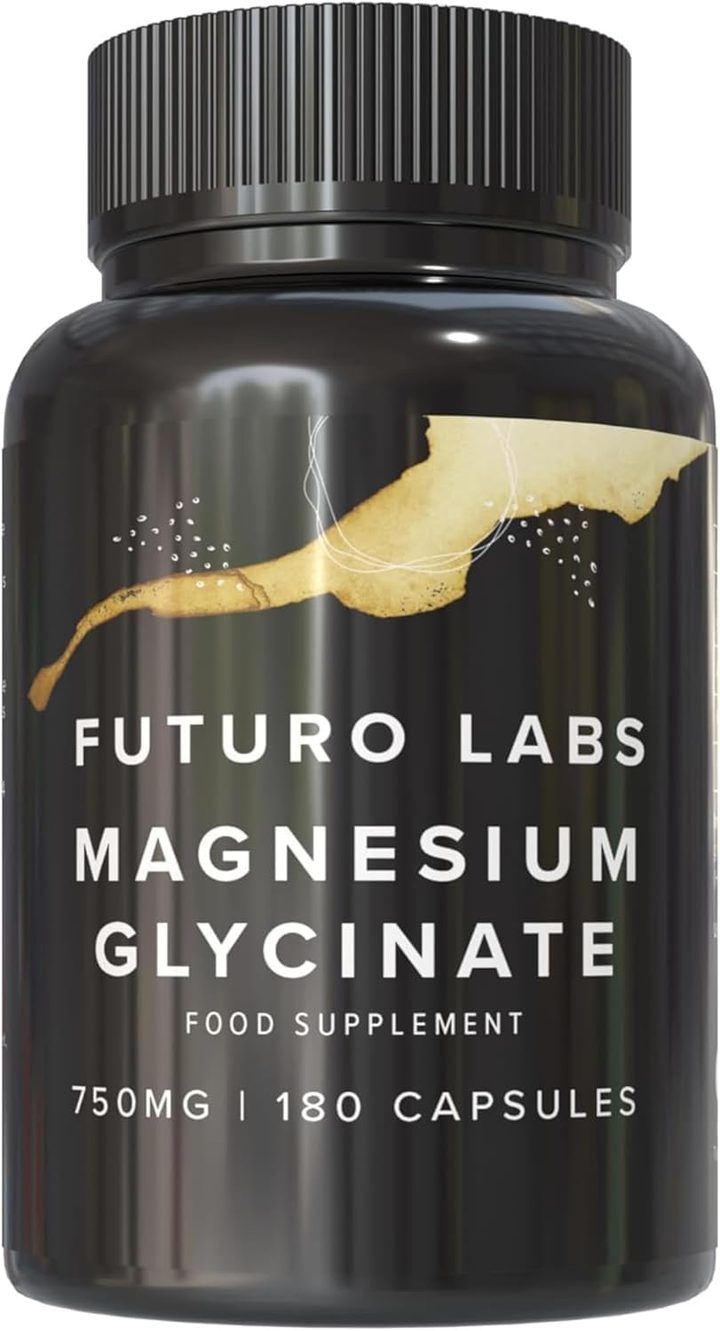
Our brand: the worked example on this page
Futuro Labs Magnesium Glycinate
- 22p a day
- 180 capsules, 2 capsules daily
- Lab tested
- Made in the UK
The psychological-function sentence, printed without an anxiety word: Futuro Labs Magnesium Glycinate on Amazon UK, bisglycinate, 300mg elemental at 80% NRV, £19.99 for 90 days at 22p. Full label breakdown. The sleep-and-anxiety dose page is here; the cortisol readings on the cortisol page.
What it does, held to the claim it holds, and what it does not claim
What magnesium glycinate does for anxiety is answered first by the claim it holds and second by the evidence behind the hope, and the careful-claims flag on this page means the two are kept apart. The claim: magnesium contributes to normal psychological function and to normal nervous system function, and to the reduction of tiredness and fatigue, maintenance sentences meaning that adequate magnesium is part of the nervous system and mind working normally, so that a person whose intake ran short and whose psychological function was disturbed by the shortfall has it restored by repletion, which is what magnesium glycinate does in the only sense the register permits and the sense that is true. What it does not claim: anxiety, stress relief, calm, relaxation or mood, none of which is an authorised sentence for magnesium or any supplement, so a product printing them has printed an unlawful claim, and a page promising that magnesium glycinate treats anxiety has promised what the law forbids and the evidence does not support. The glycine, since bisglycinate readers meet the pitch that glycine itself is calming, is a few hundred milligrams in a capsule against the gram-scale doses of any glycine research, a footnote rather than a mechanism.
The evidence at its true size, the hypothesis named as one, where anxiety is actually treated, and the page filed
The evidence behind the hope, at its true size. The systematic review of magnesium supplementation and subjective anxiety and stress found the existing trials suggestive of a benefit in people vulnerable to anxiety, including mildly anxious adults and premenstrual anxiety, on low-quality evidence with heterogeneous designs, subjective measures, mixed doses and no consistent placebo control, and concluded that better randomised trials were needed rather than that an effect was established, so the honest description is a suggestion in the right population and not a treatment in any. The hypothesis behind the suggestion is the stress-and-magnesium vicious circle: psychological stress increases urinary magnesium loss, low magnesium status heightens the physiological stress response, and the two feed each other, a plausible mechanism with observational support and no trial of magnesium as an anxiety treatment that would confirm it, so a reader whose training diet runs light, whose stress load is high and whose status is marginal has a plausible reason that repletion might help their psychological function, and a replete reader has none, the deficiency pattern that governs every magnesium claim. Where anxiety is actually treated is the paragraph this page owes its reader more than any other: anxiety that persists, that interferes with life, work or training, or that arrives with panic, low mood, sleeplessness or physical symptoms is a GP conversation and, where indicated, talking therapy, cognitive behavioural therapy above all, or medicine, none of which a supplement replaces, and the lifter's own levers, sleep, load management, an early caffeine curfew and a deload after stacked hard weeks, are addressed before any capsule and for free. The page filed: magnesium glycinate maintains normal psychological and nervous-system function where a shortfall disturbed them, holds no anxiety claim, rests on a suggestive low-quality review and an untested hypothesis, and is taken at 300mg elemental by diet audit for its own sentences, the worked example printing the psychological-function sentence and no anxiety word, £19.99 for 90 days at 22p, with anxiety itself taken to a doctor.
| The item | The finding | The consequence |
|---|---|---|
| The claim | Normal psychological and nervous system function | Maintenance where a shortfall disturbed them |
| Not the claim | Anxiety, stress relief, calm, mood | Unlawful on a label; unsupported |
| The review | Suggestive in vulnerable people; low quality; better trials needed | A suggestion, not a treatment |
| The hypothesis | Stress drains magnesium; low magnesium heightens stress | Plausible; untested as treatment |
| The glycine | A few hundred milligrams | A footnote |
| Where anxiety goes | A GP; talking therapy; the lifter's levers first | Not a supplement question |
The verdict, function maintained and anxiety sent to a doctor
What does magnesium glycinate do for anxiety: it maintains normal psychological and nervous-system function where a shortfall had disturbed them, the claims it holds, and it holds no anxiety claim, the systematic review finding suggestive, low-quality evidence in vulnerable people and calling for better trials, the stress-and-magnesium vicious circle being a plausible hypothesis untested as treatment, so it is taken at 300mg elemental by diet audit for its own sentences and anxiety that persists or interferes is taken to a GP and talking therapy after the lifter's own levers are pulled. The sentence printed without the word: Futuro Labs Magnesium Glycinate, bisglycinate, 300mg elemental at 80% NRV, £19.99 for 90 days at 22p a day.
What to check on the label
- Hold the claim: psychological function, not anxiety.
- Grade the review: suggestive, low quality, better trials needed.
- Name the hypothesis as one: the vicious circle is untested as treatment.
- Dismiss the glycine pitch: a footnote at capsule doses.
- Take anxiety to a doctor: after the lifter's levers, and never to a shelf.
Our brand
The worked example: Futuro Labs Magnesium Glycinate
Futuro Labs Magnesium Glycinate is the worked example for magnesium reviews because its label states every number a review needs: 1500mg magnesium bisglycinate at 20%, 300mg elemental, 80% NRV, 2 capsules a day, 180 capsules for £19.99, 22p a day, UK made, vegan HPMC shell, batch tested for lead, mercury, arsenic and cadmium, and only the register's own magnesium claims printed.
- Elemental magnesium per serving
- 300mg (80% NRV)
- Form
- magnesium bisglycinate 20%
- Serving
- 2 capsules a day
- Bottle
- 180 capsules, 90 days
- Price
- £19.99 (22p a day)
- Capsule
- vegetarian shell, vegan product
Questions people also ask
Does magnesium glycinate help with anxiety?
It holds no anxiety claim: its lawful sentences are normal psychological and nervous-system function, maintenance where a shortfall disturbed them, and the systematic review found suggestive, low-quality evidence in vulnerable people rather than an established effect.
What did the magnesium and anxiety review actually find?
Suggestive benefit on subjective anxiety in people vulnerable to it, including mildly anxious adults, on low-quality evidence with mixed doses, subjective measures and inconsistent placebo control, concluding that better randomised trials were needed.
Why do people say stress depletes magnesium?
The vicious-circle hypothesis: stress increases urinary magnesium loss and low magnesium heightens the stress response, a plausible mechanism with observational support and no treatment trial confirming that supplementing breaks the circle.
Is the glycine in magnesium glycinate calming?
Not at capsule doses: a two-capsule dose carries perhaps half a gram of glycine against the gram-scale doses of any glycine research, so it is a footnote to the chemistry rather than a mechanism.
When should anxiety go to a doctor?
When it persists, interferes with life, work or training, or arrives with panic, low mood, sleeplessness or physical symptoms: a GP conversation and, where indicated, talking therapy or medicine, after the lifter's own levers of sleep, load, caffeine and deloads are pulled for free.
Sources
- Boyle NB, Lawton C, Dye L. The effects of magnesium supplementation on subjective anxiety and stress, a systematic review. Nutrients 2017;9(5):429. PubMed record
- Pickering G, et al. Magnesium status and stress: the vicious circle concept revisited. Nutrients 2020;12(12):3672. PubMed record
- The GB claims register, magnesium entries: magnesium contributes to a reduction of tiredness and fatigue, normal psychological function, normal nervous system function, normal muscle function and electrolyte balance, among others. https://www.gov.uk/government/publications/great-britain-nutrition-and-health-claims-nhc-register
- The insomnia treatment literature: cognitive behavioural therapy for insomnia (CBT-i) is the recommended first-line treatment for persistent insomnia, ahead of any supplement or hypnotic. PubMed record