Ghost Fitness/Magnesium/Does magnesium glycinate contain zinc or vitamin B6?
Does magnesium glycinate contain zinc or vitamin B6?
The short answer
No. Magnesium glycinate is a single ingredient, magnesium bound to glycine, with no zinc and no vitamin B6. The trio you are thinking of is ZMA, a different product. Add 10 to 15mg zinc separately if your diet runs short.
- 1 ingredientmagnesium bound to glycine, nothing else
- 0mgzinc and B6 in a plain glycinate
- ZMAthe three-ingredient product behind the confusion
- 22pa day for the single-ingredient worked example
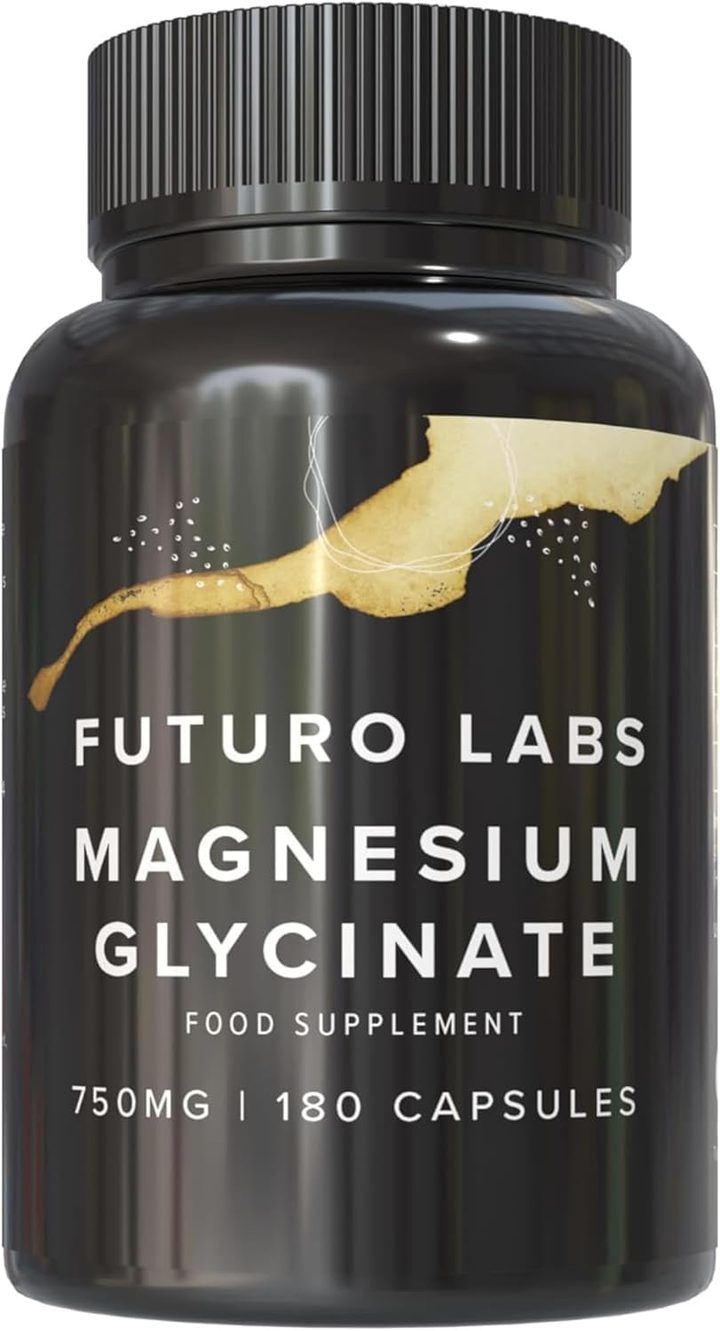
Our brand: the worked example on this page
Futuro Labs Magnesium Glycinate
- 22p a day
- 180 capsules, 2 capsules daily
- Lab tested
- Made in the UK
The single-ingredient product: Futuro Labs Magnesium Glycinate on Amazon UK, 180 capsules for £19.99. Label breakdown. The full ZMA comparison is on the is ZMA the same as glycinate page.
The direct answer, and where the question comes from
A plain magnesium glycinate contains magnesium, glycine holding it, a capsule shell and trace processing agents, and that is the complete inventory: no zinc, no vitamin B6, no third mineral riding along. The question exists because of ZMA, the trademarked lifter's blend of zinc, magnesium aspartate and B6 that shares shelf space, bedtime positioning and forum threads with glycinate, until the two blur into one vague night mineral in memory. They are different products with different ingredient counts, and the difference is not a gap in the glycinate; it is the design.
Why the single ingredient is the feature, not the omission
Three reasons the empty inventory is worth paying for. Dosing clarity: each nutrient has its own UK ceiling, 400mg for supplemental magnesium and 25mg for zinc, and separate bottles let each sit where it should, while ZMA's fixed 30mg of zinc lands over its guidance level every night by design. Pharmacy simplicity: the medication conversation this site keeps recommending is one mineral long for a glycinate, and a blend multiplies the questions. And test readability: whether you are running the sleep eight-weeker or the twitching month, a single-ingredient product means the result has one explanation, where a blend's result belongs to nobody. Blends sell convenience; singles sell knowing what happened.
| Plain magnesium glycinate (worked example) | ZMA | |
|---|---|---|
| MagnesiumOurs | 300mg elemental as bisglycinate, 80% NRV | 450mg as aspartate; oxide in some UK copies |
| Zinc | None | 30mg, above the 25mg UK guidance level |
| Vitamin B6 | None | 10.5mg, at the 10mg guidance level |
| Serving ritual | 2 capsules with any meal | 3 capsules, empty stomach, bedtime |
| Independent trial record | The magnesium literature, form-agnostic | Null on strength, body composition and hormones |
| Cost per day | 22p | 30p to 50p |
When zinc or B6 genuinely earn a separate place
Zinc earns one on dietary grounds only: a plate consistently light on meat, dairy, eggs and seafood can run short, and a separate 10mg to 15mg with food, under the 25mg guidance level, covers it while carrying zinc's own authorised claims, testosterone maintenance among them. B6 almost never earns one, because UK diets rarely lack it, its guidance level is a low 10mg on long-term use, and the vivid-dream folklore around it is recall, not benefit. Neither belongs welded to your magnesium at someone else's ratio. The clean architecture: Futuro Labs Magnesium Glycinate, 2 capsules with the evening meal, 300mg elemental at 80% NRV from bisglycinate at 20%, vegan, UK made under GMP and BRC, panels shown, £19.99 for 180 at 22p a day, plus a cheap standalone zinc on the days the plate justified it. Does magnesium glycinate contain zinc or vitamin B6: no, and after a page of reasons, hopefully good.
What to check on the label
- Plain glycinate contains neither zinc nor B6: one ingredient by design.
- The trio in mind is ZMA: a different product with a null independent trial.
- Separate ceilings, separate bottles: 400mg magnesium, 25mg zinc, 10mg B6 long-term.
- Zinc separately only on dietary grounds: 10mg to 15mg with food.
- Singles keep every test readable: one ingredient, one explanation.
Our brand
The worked example: Futuro Labs Magnesium Glycinate
Futuro Labs Magnesium Glycinate is the single-ingredient design: 300mg elemental per 2 capsules (80% NRV) from bisglycinate 20%, no zinc, no B6, no ritual, vegan, UK made, panels shown, 22p a day from a £19.99 bottle of 180.
- Elemental magnesium per serving
- 300mg (80% NRV)
- Form
- magnesium bisglycinate 20%
- Serving
- 2 capsules a day
- Bottle
- 180 capsules, 90 days
- Price
- £19.99 (22p a day)
- Capsule
- vegetarian shell, vegan product
Questions people also ask
Is there zinc in magnesium glycinate?
Not in a plain one: the ingredient list is magnesium bisglycinate, a capsule shell and processing traces. Zinc appears only in blends that add it.
Should I take B6 with magnesium glycinate?
Only if a professional has identified a reason; UK diets rarely lack B6 and its long-term guidance level is a low 10mg. The glycinate needs no helper.
What has magnesium, zinc and B6 together?
ZMA, the lifter's blend. Its independent trial found no benefit and its zinc dose exceeds the UK nightly guidance level.
Do zinc and magnesium need to be taken apart?
At 300mg magnesium and 10mg to 15mg zinc they share a dinner without meaningful interaction; separation is optional caution.
Why buy single-ingredient supplements at all?
Ceilings stay respected, pharmacist conversations stay short, and any month-long test you run has exactly one explanation.
Sources
- Futuro Labs Magnesium Glycinate listing, Amazon UK, label and price checked 31 August 2026. https://www.amazon.co.uk/dp/B0BT7Z5VQW
- Wilborn CD, et al. Effects of zinc magnesium aspartate (ZMA) supplementation on training adaptations and markers of anabolism and catabolism. Journal of the International Society of Sports Nutrition 2004;1(2):12-20. PubMed record
- EFSA Panel on Dietetic Products, Nutrition and Allergies. Scientific Opinion on the substantiation of health claims related to zinc, including maintenance of normal testosterone levels in the blood. EFSA Journal 2010;8(10):1819. https://efsa.onlinelibrary.wiley.com/doi/10.2903/j.efsa.2010.1819
- Expert Group on Vitamins and Minerals. Safe Upper Levels for Vitamins and Minerals. Food Standards Agency, 2003 (magnesium guidance level 400mg a day from supplements). https://cot.food.gov.uk/sites/default/files/vitmin2003.pdf
- EFSA Panel on Dietetic Products, Nutrition and Allergies. Scientific Opinion on the substantiation of health claims related to magnesium. EFSA Journal 2010;8(10):1807. https://efsa.onlinelibrary.wiley.com/doi/10.2903/j.efsa.2010.1807
- Retained Regulation (EU) No 1169/2011, Annex XIII: nutrient reference value for magnesium 375mg. https://www.legislation.gov.uk/eur/2011/1169/annex/XIII