Ghost Fitness/Magnesium/Is ZMA and magnesium glycinate same?
Is ZMA and magnesium glycinate same?
The short answer
No. ZMA is a three-ingredient blend, zinc, magnesium aspartate and vitamin B6; magnesium glycinate is one ingredient, magnesium bound to glycine. Bisglycinate and glycinate are the same thing. Different products, different doses, and only one has a full magnesium dose.
- 3 vs 1ingredients in ZMA against glycinate
- Aspartatethe magnesium form inside classic ZMA, not glycinate
- Same thingbisglycinate and glycinate
- 300mgelemental in the glycinate worked example
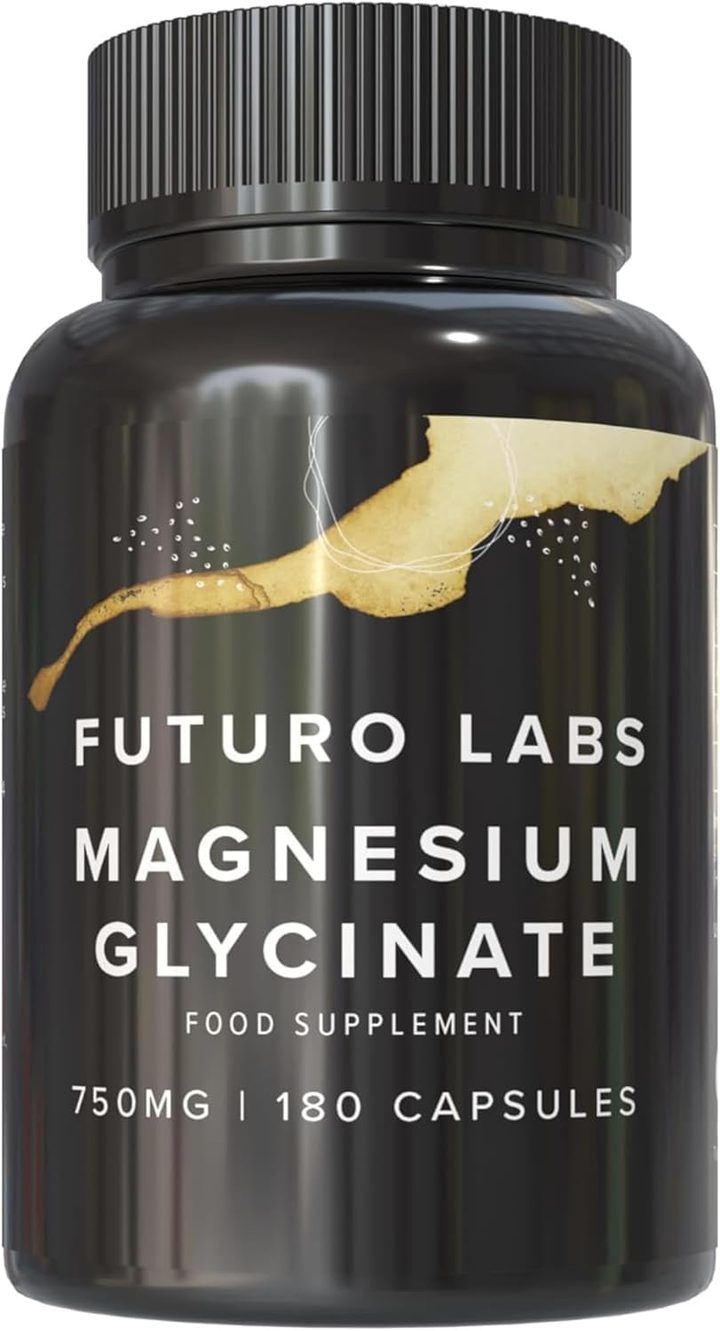
Our brand: the worked example on this page
Futuro Labs Magnesium Glycinate
- 22p a day
- 180 capsules, 2 capsules daily
- Lab tested
- Made in the UK
The single-ingredient product: Futuro Labs Magnesium Glycinate on Amazon UK, 180 capsules for £19.99. Label breakdown. The which-to-buy decision is on the ZMA vs magnesium glycinate page.
What ZMA actually is
ZMA is a trademarked three-ingredient formula: 30mg of zinc as monomethionine and aspartate, 450mg of magnesium as aspartate, and 10.5mg of vitamin B6, taken as three capsules on an empty stomach before bed. The magnesium inside classic ZMA is aspartate, not glycinate, and UK copies vary, with some using oxide behind the famous name. So ZMA is not a kind of magnesium glycinate, does not contain glycinate, and is a blend whose other two ingredients, the 30mg zinc especially, are doing a lot of the arguing on the label.
What magnesium glycinate actually is
One ingredient: magnesium chelated to two molecules of the amino acid glycine, in a capsule. No zinc, no B6, no empty-stomach ritual. The worked example's serving is 1500mg of magnesium bisglycinate at 20%, which is 300mg of elemental magnesium at 80% NRV, taken as 2 capsules with any meal. The single-ingredient design is the point: the dose is printed, the claims are magnesium's own, and nothing rides along that a pharmacist would need to know about beyond the mineral itself.
And bisglycinate vs glycinate? The same thing
The other naming confusion this query carries is easier: magnesium bisglycinate and magnesium glycinate are two names for the same compound, the bis simply counting the two glycine molecules in the chelate. UK labels use both, sometimes on the same bottle. There is no bisglycinate vs glycinate comparison to run and no benefits difference to weigh; a label switching between the words is being ordinary, not evasive. The number that does vary between glycinate products is the percentage after the name, 14% for a full chelate and up to 20% for buffered material, which is why the elemental line matters more than either spelling.
| Classic ZMA (3 capsules) | Magnesium glycinate (2 capsules, worked example) | |
|---|---|---|
| Ingredients | Zinc 30mg, magnesium aspartate 450mg, vitamin B6 10.5mg | Magnesium bisglycinate 1500mg at 20%; nothing else |
| Elemental magnesium and formOurs | 450mg as aspartate; UK copies vary, some oxide | 300mg as bisglycinate, 80% NRV, printed |
| Zinc against the UK guidance level | 30mg, above the 25mg level | None |
| Ritual | Empty stomach, bedtime, away from calcium | With any meal |
| Independent evidence | No effect on strength, body composition or hormones (Wilborn 2004) | The magnesium claims and trials, at a dose that reaches them |
| Typical UK cost per day | 30p to 50p | 22p |
Why the confusion exists, and what to do with it
Both products live on the same shelf, both are sold to lifters at night, and both get recommended in the same forum threads, usually in the same sentence. The distinction that matters is structural: ZMA is a zinc product with magnesium in it, glycinate is a magnesium product with nothing else in it. Once that is clear, the buying question becomes the one answered across this site: the independent ZMA trial was null, its zinc exceeds the guidance level for nightly use, and the magnesium half of the idea is done better by Futuro Labs Magnesium Glycinate at 300mg elemental, 22p a day, vegan, UK made, panels shown, £19.99 for 180 capsules, with a separate 10mg to 15mg zinc added only by the narrow eaters who need one.
What to check on the label
- ZMA is a blend: zinc, magnesium aspartate, B6. Not glycinate, not one ingredient.
- Bisglycinate equals glycinate: two names, one compound.
- The percentage after the name is what varies between glycinate products: 14% to 20%.
- ZMA's 30mg zinc sits above the 25mg UK guidance level for supplements.
- The elemental line settles every naming question: 300mg at 80% NRV is the target.
Our brand
The worked example: Futuro Labs Magnesium Glycinate
Futuro Labs Magnesium Glycinate is the single-ingredient side of the confusion: 300mg elemental per 2 capsules (80% NRV) from bisglycinate 20%, no zinc, no B6, no ritual, vegan, UK made, panels shown, 22p a day from a £19.99 bottle of 180.
- Elemental magnesium per serving
- 300mg (80% NRV)
- Form
- magnesium bisglycinate 20%
- Serving
- 2 capsules a day
- Bottle
- 180 capsules, 90 days
- Price
- £19.99 (22p a day)
- Capsule
- vegetarian shell, vegan product
Questions people also ask
Is ZMA the same as magnesium glycinate?
No. ZMA is a blend of zinc, magnesium aspartate and vitamin B6; magnesium glycinate is a single-ingredient magnesium chelate.
Is magnesium bisglycinate the same as magnesium glycinate?
Yes. Two names for the same compound; the bis counts the two glycine molecules. The percentage after the name is what to compare.
Does ZMA contain magnesium glycinate?
Classic ZMA uses magnesium aspartate. Some UK copies use oxide; read the ingredients line, not the brand name.
Which is better, ZMA or magnesium glycinate?
Glycinate, for the reasons the head-to-head page sets out: the independent ZMA trial was null and its zinc exceeds the UK guidance level.
What are the benefits of bisglycinate over glycinate?
None; they are the same material. Benefits differences between glycinate products come from the elemental dose and the percentage, not the name.
Sources
- Futuro Labs Magnesium Glycinate listing, Amazon UK, label and price checked 31 August 2026. https://www.amazon.co.uk/dp/B0BT7Z5VQW
- Wilborn CD, et al. Effects of zinc magnesium aspartate (ZMA) supplementation on training adaptations and markers of anabolism and catabolism. Journal of the International Society of Sports Nutrition 2004;1(2):12-20. PubMed record
- Brilla LR, Conte V. Effects of a novel zinc-magnesium formulation on hormones and strength. Journal of Exercise Physiology Online 2000;3(4):26-36.
- Expert Group on Vitamins and Minerals. Safe Upper Levels for Vitamins and Minerals. Food Standards Agency, 2003 (magnesium guidance level 400mg a day from supplements). https://cot.food.gov.uk/sites/default/files/vitmin2003.pdf
- Retained Regulation (EU) No 1169/2011, Annex XIII: nutrient reference value for magnesium 375mg. https://www.legislation.gov.uk/eur/2011/1169/annex/XIII
- EFSA Panel on Dietetic Products, Nutrition and Allergies. Scientific Opinion on the substantiation of health claims related to magnesium. EFSA Journal 2010;8(10):1807. https://efsa.onlinelibrary.wiley.com/doi/10.2903/j.efsa.2010.1807