Ghost Fitness/Magnesium/Should I take magnesium citrate or glycinate?
Should I take magnesium citrate or glycinate?
The short answer
If you lift, take magnesium glycinate: the same elemental magnesium as citrate with a much smaller laxative effect, so you can hold 300mg a day through a training block. Citrate suits people who also want a bowel effect.
- 16% vs 14 to 20%elemental magnesium: citrate vs bisglycinate
- Bothabsorbed well; oxide is the one to avoid
- Lowerlaxative effect with glycinate
- 22pa day for 300mg elemental as glycinate
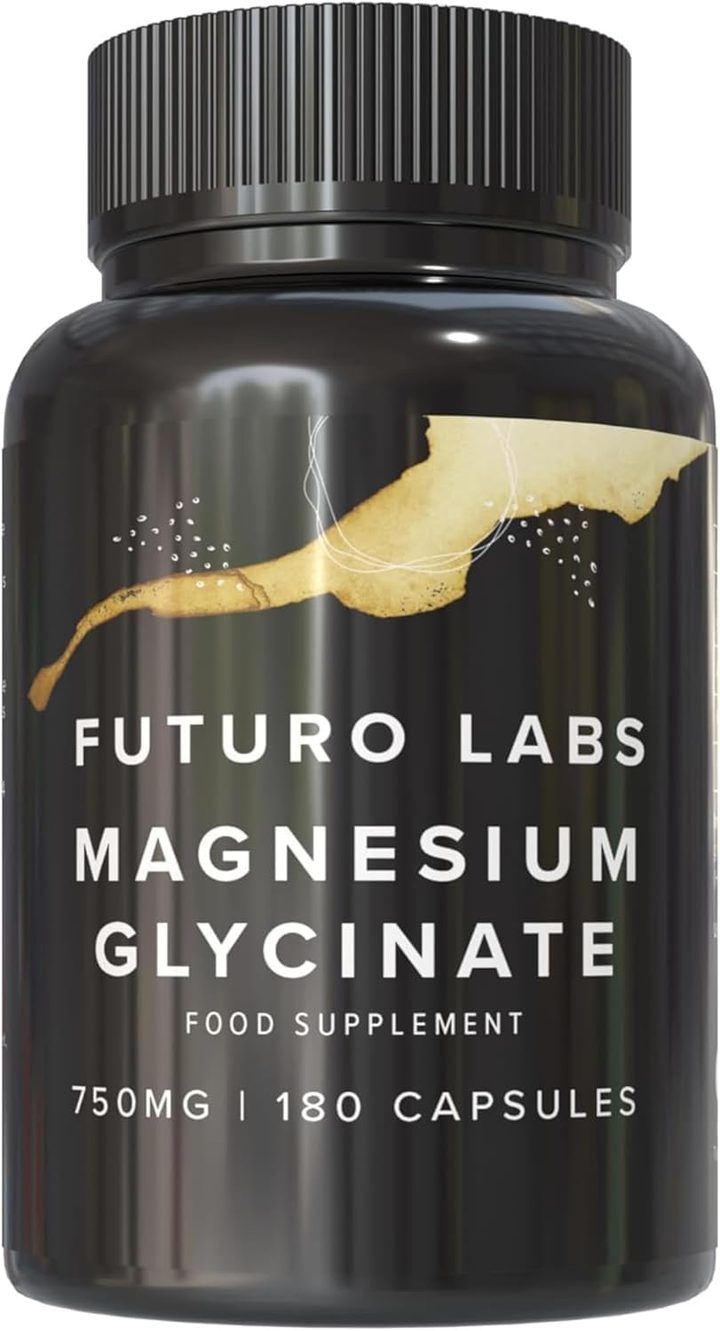
Our brand: the worked example on this page
Futuro Labs Magnesium Glycinate
- 22p a day
- 180 capsules, 2 capsules daily
- Lab tested
- Made in the UK
Worked example: Futuro Labs Magnesium Glycinate on Amazon UK, 1500mg bisglycinate giving 300mg elemental per 2 capsules, £19.99 for 180. Label breakdown.
What the two forms are
Magnesium citrate is magnesium bound to citric acid; it is about 16% magnesium by weight, dissolves easily in water and is one of the better absorbed common forms. Magnesium glycinate, sold as bisglycinate or glycinate, is magnesium bound to the amino acid glycine; a full chelate is about 14% magnesium, and products labelled at 20% are buffered blends. Both are far better than oxide, the cheap form that is barely absorbed at all.
So the choice is not about which one works. It is about tolerance, dose and what else you want the product to do.
What the absorption studies actually show
Walker's 2003 randomised trial compared citrate, oxide and an amino acid chelate over 60 days and found citrate the most bioavailable of the three on the measures used. Firoz and Graber found oxide absorption around 4% against 9% to 11% for the organic forms. Head-to-head data for bisglycinate is thinner; the best known study, Schuette and colleagues in patients with bowel resection, showed it absorbed well where other forms struggled. Read together: citrate and glycinate are both good, oxide is not, and the difference between citrate and glycinate in absorption is small enough that tolerance should decide.
| Citrate | Glycinate (bisglycinate) | |
|---|---|---|
| Elemental magnesium by weight | about 16% | about 14% (full chelate) to 20% (buffered, as labelled) |
| AbsorptionOurs | Good; best of three in Walker 2003 | Good; well absorbed in human studies |
| Laxative effect | Moderate, rises with dose; used for bowel prep at high doses | Low |
| Comfortable daily dose | 150mg to 200mg elemental for most people | 300mg elemental for most people |
| Best time to take | Morning, with food | Any time; suits the evening |
| Who should pick it | Constipation prone, or wanting a mild bowel effect | Daily use, evening use, cutting phases, sensitive stomachs, anyone who wants the full dose |
| Cost per 300mg elemental (UK) | Typically 20p to 40p | 22p with Futuro Labs Magnesium Glycinate (180 capsules, £19.99) |
Typical citrate cost is a range from UK retail products checked in August 2026; your product will vary. The glycinate figure is the worked example's label price divided by 90 servings.
Why glycinate wins for people who train
A lifter takes magnesium every day for months, often in the evening, often during a cut when food is lower and the gut is already grumpy. The thing that ends a magnesium habit is not absorption, it is the loo. Citrate at 300mg elemental sends a fair share of people there; glycinate does not. That is the whole argument, and it is why the best magnesium supplement for the gym is a glycinate.
The worked example, Futuro Labs Magnesium Glycinate, gives 300mg elemental magnesium from 1500mg bisglycinate in 2 capsules, 80% of the NRV, and lands at 22p a day from a 180 capsule bottle at £19.99. Made in the UK to GMP and BRC standards, vegan, and independently tested for heavy metals. If you want citrate as well, for the bowel effect, take it in the morning and keep the glycinate for the evening; blends that put both in one capsule are fine as long as the elemental total is printed.
What to check on the label
- Elemental magnesium per serving, not the compound weight. 1500mg bisglycinate at 20% is 300mg magnesium.
- Which form is listed first in the ingredients. A product called glycinate that lists oxide first is an oxide product.
- For citrate: the dose. Above 200mg elemental in one go, expect the laxative effect.
- For glycinate: the percentage. 20% means buffered; fine, but it tells you the glycine content is unknown.
- Price divided by servings, then compared per 300mg elemental.
Our brand
The worked example: Futuro Labs Magnesium Glycinate
Futuro Labs Magnesium Glycinate is the glycinate side of this comparison: 1500mg magnesium bisglycinate (20%) giving 300mg elemental magnesium per 2 capsules, 80% NRV, low laxative effect, vegan, UK made, 180 capsules for £19.99, so 22p a day.
- Elemental magnesium per serving
- 300mg (80% NRV)
- Form
- magnesium bisglycinate 20%
- Serving
- 2 capsules a day
- Bottle
- 180 capsules, 90 days
- Price
- £19.99 (22p a day)
- Capsule
- vegetarian shell, vegan product
Questions people also ask
Magnesium glycinate vs citrate: which is better absorbed?
Both are absorbed well and far better than oxide. Citrate scored highest in Walker's 2003 trial; glycinate has good human data too. The gap is small; tolerance should decide.
Can you take magnesium glycinate and citrate in one pill?
Yes, blended products exist. Judge them on the elemental magnesium per serving and expect the citrate share to bring some laxative effect.
Is magnesium citrate or glycinate better in the UK?
For daily use by someone who trains, glycinate. Futuro Labs Magnesium Glycinate gives 300mg elemental per serving at 22p a day and is made in the UK.
What are the benefits of bisglycinate over citrate?
A full 300mg elemental dose without the bowel effect, comfortable evening dosing, and easier consistency across a training block. Within EFSA wording, the magnesium itself does the same job in either form.
Does magnesium citrate help you lose weight?
No. Its laxative effect moves water and stool, not body fat. Any weight change on the scales is temporary.
Sources
- Futuro Labs Magnesium Glycinate listing, Amazon UK, label and price checked 31 August 2026. https://www.amazon.co.uk/dp/B0BT7Z5VQW
- Walker AF, Marakis G, Christie S, Byng M. Mg citrate found more bioavailable than other Mg preparations in a randomised, double-blind study. Magnesium Research 2003;16(3):183-191. PubMed record
- Firoz M, Graber M. Bioavailability of US commercial magnesium preparations. Magnesium Research 2001;14(4):257-262. PubMed record
- Schuette SA, Lashner BA, Janghorbani M. Bioavailability of magnesium diglycinate vs magnesium oxide in patients with ileal resection. Journal of Parenteral and Enteral Nutrition 1994;18(5):430-435. PubMed record
- Expert Group on Vitamins and Minerals. Safe Upper Levels for Vitamins and Minerals. Food Standards Agency, 2003 (magnesium guidance level 400mg a day from supplements). https://cot.food.gov.uk/sites/default/files/vitmin2003.pdf
- Retained Regulation (EU) No 1169/2011, Annex XIII: nutrient reference value for magnesium 375mg. https://www.legislation.gov.uk/eur/2011/1169/annex/XIII
- EFSA Panel on Dietetic Products, Nutrition and Allergies. Scientific Opinion on the substantiation of health claims related to magnesium. EFSA Journal 2010;8(10):1807. https://efsa.onlinelibrary.wiley.com/doi/10.2903/j.efsa.2010.1807