Ghost Fitness/Magnesium/Magnesium citrate vs magnesium glycinate: which should lifters take?
Magnesium citrate vs magnesium glycinate: which should lifters take?
The short answer
Lifters should take glycinate for the daily 300mg elemental dose, and citrate only when they also want the bowel effect. Absorption is similar; tolerance is not. Citrate at a full dose loosens the bowel, glycinate does not.
- Similarabsorption between the two, per the human data
- The bowelthe real difference, at full doses
- 300mgelemental daily, the dose glycinate can hold
- 22pa day for the glycinate worked example
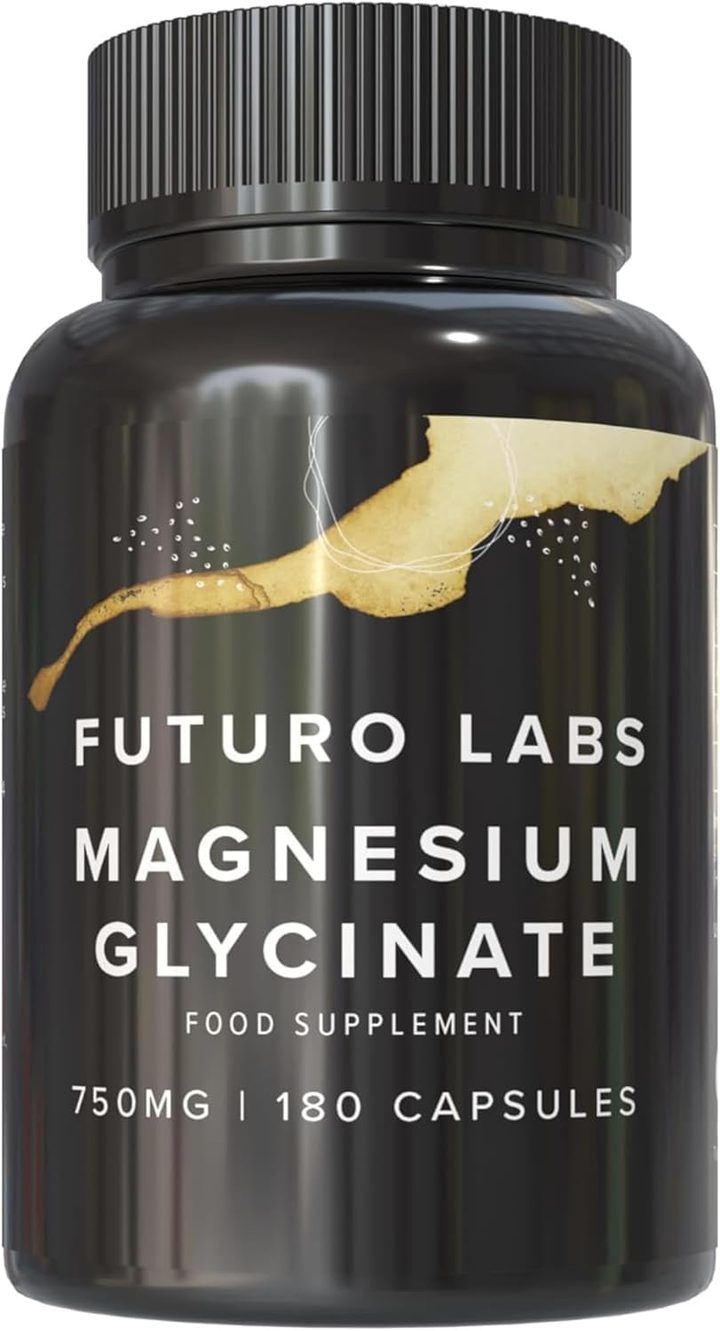
Our brand: the worked example on this page
Futuro Labs Magnesium Glycinate
- 22p a day
- 180 capsules, 2 capsules daily
- Lab tested
- Made in the UK
The glycinate side: Futuro Labs Magnesium Glycinate on Amazon UK, 180 capsules for £19.99. Label breakdown. The quick decision version of this question is on the citrate or glycinate page.
What the absorption data actually says
Both are organic, well absorbed forms, and the human data does not crown either. Lindberg's 1990 study showed citrate far better absorbed than oxide, establishing the organic-versus-oxide gap that still matters most. Walker's 2003 trial compared citrate against amino acid chelate and oxide over 60 days and had citrate slightly ahead on the markers used; chelate studies, including Schuette's work in compromised guts, show bisglycinate absorbed well where even absorption is hard. The honest summary for a lifter: the absorption difference between citrate and glycinate is small and inconsistent across studies, and it is the wrong variable to decide on. The deciding variables are what each form does to the bowel at a full dose, and what that means for when and how much you can take.
The real difference: what 300mg does to your gut
Citrate is osmotically active: unabsorbed citrate pulls water into the bowel, which at 100mg to 200mg elemental is a gentle nudge and at 300mg is a loose morning for many people. That is a feature when regularity is the goal and a tax when it is not, and it is why citrate suits small morning doses. Glycinate's carrier is absorbed along with the mineral, so almost nothing stays behind to pull water in; a full 300mg sits comfortably inside dinner, which is exactly the dose and slot a lifter's routine wants. The forms are not rivals so much as different tools: glycinate is the daily intake tool, citrate is the bowel tool that happens to carry magnesium.
| Scenario | Citrate | Glycinate | Which to take |
|---|---|---|---|
| Daily 300mg elemental with the evening meal | Loose bowels for many | Comfortable | Glycinate |
| Bulking on big meals | Adds bowel load | No effect | Glycinate |
| Cutting, gut already temperamentalOurs | Risky | Fine | Glycinate |
| Constipation-prone, wants morning help | The right tool at 100mg to 200mg | No bowel effect | Citrate, morning |
| Long-run or match-day morning | Never | Fine the evening before | Glycinate, and nothing new on the day |
| Budget priority | Powder is cheap per 100mg | 22p a day at 300mg | Either passes; check the elemental line |
| Both jobs at once | Morning, small | Evening, full | Both, total under 400mg a day |
Cost, labels and the verdict
On price the two are close when compared properly, pence per 100mg elemental: citrate powders run about 8p to 15p, the glycinate worked example about 7p, and both beat the boutique forms by multiples. On labels the same four checks apply to each: elemental line with %NRV, form named first, panel shown, address on the label. The verdict for lifters is the one the answer box gave: glycinate as the daily magnesium, 300mg elemental with the evening meal, because it is the form that holds the dose; citrate added deliberately, small and in the morning, only when the bowel effect is wanted; and the supplement total kept under the 400mg a day guidance level when both are running. The worked example for the glycinate side is Futuro Labs Magnesium Glycinate: 300mg elemental per 2 capsules, 80% NRV, from bisglycinate at 20%, vegan, UK made under GMP and BRC, panels shown, £19.99 for 180, 22p a day.
What to check on the label
- Decide on tolerance, not absorption: the absorption gap is small, the bowel gap is not.
- Glycinate for the daily 300mg, evening meal.
- Citrate small and in the morning, only for the bowel effect.
- Under 400mg a day total if both are running.
- Same label checks for both: elemental line, form first, panel, address.
Our brand
The worked example: Futuro Labs Magnesium Glycinate
Futuro Labs Magnesium Glycinate is the glycinate side of the head-to-head: 300mg elemental per 2 capsules (80% NRV) from bisglycinate 20%, comfortable at full dose with dinner, vegan, UK made, panels shown, 22p a day from a £19.99 bottle of 180.
- Elemental magnesium per serving
- 300mg (80% NRV)
- Form
- magnesium bisglycinate 20%
- Serving
- 2 capsules a day
- Bottle
- 180 capsules, 90 days
- Price
- £19.99 (22p a day)
- Capsule
- vegetarian shell, vegan product
Questions people also ask
Is magnesium citrate or glycinate better for muscle recovery?
Glycinate, because recovery wants the full 300mg daily and glycinate holds it without a bowel effect. The absorption difference is too small to matter.
Which absorbs better, magnesium citrate or glycinate?
The human data is close: citrate edged one 60-day trial, chelates absorb well even in compromised guts. Both beat oxide by a wide margin, which is the gap that matters.
Can lifters take magnesium citrate at night?
At 100mg it is usually fine; at 300mg it loosens the bowel for many people overnight. Glycinate is the night form.
Can I take magnesium citrate and glycinate together?
Yes: citrate small in the morning for regularity, glycinate full in the evening, total under 400mg a day from supplements.
Which is cheaper, citrate or glycinate?
Per 100mg elemental they are close: citrate powder about 8p to 15p, the glycinate worked example about 7p. Compare on that unit, not per bottle.
Sources
- Futuro Labs Magnesium Glycinate listing, Amazon UK, label and price checked 31 August 2026. https://www.amazon.co.uk/dp/B0BT7Z5VQW
- Lindberg JS, Zobitz MM, Poindexter JR, Pak CY. Magnesium bioavailability from magnesium citrate and magnesium oxide. Journal of the American College of Nutrition 1990;9(1):48-55. PubMed record
- Walker AF, Marakis G, Christie S, Byng M. Mg citrate found more bioavailable than other Mg preparations in a randomised, double-blind study. Magnesium Research 2003;16(3):183-191. PubMed record
- Firoz M, Graber M. Bioavailability of US commercial magnesium preparations. Magnesium Research 2001;14(4):257-262. PubMed record
- Expert Group on Vitamins and Minerals. Safe Upper Levels for Vitamins and Minerals. Food Standards Agency, 2003 (magnesium guidance level 400mg a day from supplements). https://cot.food.gov.uk/sites/default/files/vitmin2003.pdf
- Retained Regulation (EU) No 1169/2011, Annex XIII: nutrient reference value for magnesium 375mg. https://www.legislation.gov.uk/eur/2011/1169/annex/XIII
- EFSA Panel on Dietetic Products, Nutrition and Allergies. Scientific Opinion on the substantiation of health claims related to magnesium. EFSA Journal 2010;8(10):1807. https://efsa.onlinelibrary.wiley.com/doi/10.2903/j.efsa.2010.1807