Ghost Fitness/Magnesium/Magnesium l-threonate vs magnesium glycinate: which should lifters take?
Magnesium l-threonate vs magnesium glycinate: which should lifters take?
The short answer
Lifters should take glycinate. Threonate is sold on animal studies of brain magnesium, carries about 8% elemental magnesium and costs three to ten times more per milligram; no human trial shows it beating glycinate on anything a lifter measures.
- About 8%elemental magnesium in l-threonate
- Rodentswhere the brain-magnesium evidence was generated
- 3 to 10 timesthe cost per milligram against glycinate
- 22pa day for the glycinate worked example
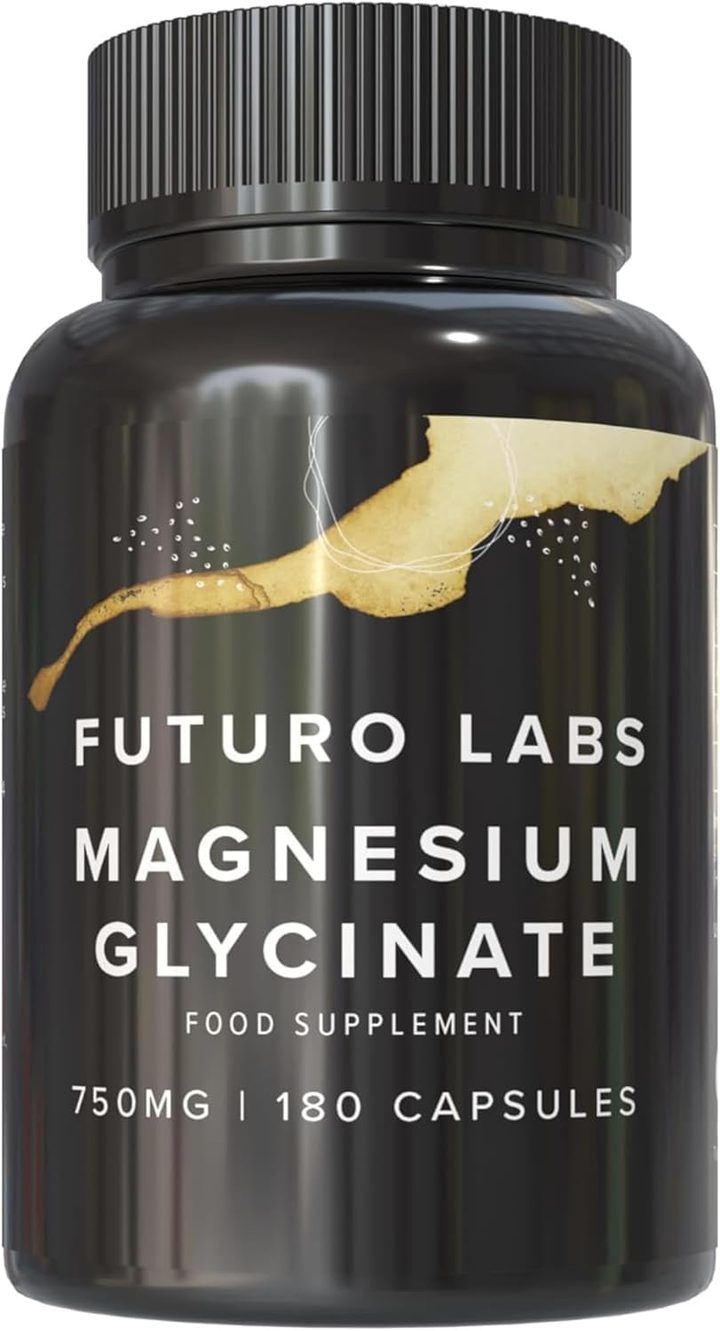
Our brand: the worked example on this page
Futuro Labs Magnesium Glycinate
- 22p a day
- 180 capsules, 2 capsules daily
- Lab tested
- Made in the UK
The glycinate side: Futuro Labs Magnesium Glycinate on Amazon UK, 180 capsules for £19.99. Label breakdown.
The threonate pitch, stated fairly
Magnesium l-threonate exists because of one genuinely interesting paper: Slutsky and colleagues' 2010 study in Neuron showed that this particular salt raised magnesium levels in the brains of rats and improved their learning and memory, where other salts did not move brain magnesium much. The branded ingredient built on it is marketed for memory, focus and cognition, and the price is set accordingly. For a lifter the implied pitch is focus in the gym and a sharper head, and it deserves a fair reading before the numbers are allowed to answer it.
What the evidence contains, and what it does not
It contains rodent data and small human studies of cognitive outcomes run by or for the ingredient's owners, none of which measure anything a lifter trains for, and none of which compare threonate against an ordinary form at matched elemental dose in humans. It does not contain a single human trial showing threonate beating glycinate or citrate on sleep, recovery, performance, mood or anything else. Meanwhile the claims any magnesium can carry, normal psychological function, normal functioning of the nervous system, reduction of tiredness and fatigue, belong to the mineral, not the salt, and attach to a product at 15% NRV or more per serving, a bar many threonate products fail because the elemental content is so low. That is the quiet problem: at about 8% magnesium, a 2000mg serving of threonate carries about 145mg elemental, under half the worked example's dose, at several times the price.
| Magnesium l-threonate | Magnesium glycinate (worked example) | |
|---|---|---|
| Elemental magnesium | about 8% of compound; typical serving 100mg to 145mg | 300mg per 2 capsules, 80% NRV, printed |
| Human evidence vs other formsOurs | None head-to-head | None claimed; the magnesium trials used ordinary salts |
| The story | Rodent brain magnesium (Slutsky 2010) | Tolerance and dose, no story needed |
| Capsules for 300mg elemental | 4 or more | 2 |
| Typical UK cost per day at a real dose | 60p to £1.20 or more | 22p |
| Cost per 100mg elemental | 40p to £1 or more | about 7p |
Threonate costs are ranges from UK retail listings checked in September 2026; most threonate products are dosed and priced for the cognitive story, not for reaching 300mg elemental.
The verdict for a training week
Take glycinate. A lifter's magnesium jobs, muscle function, protein synthesis, energy metabolism, tiredness, sleep where intake was low, are the mineral's jobs, and they need 300mg elemental held daily, which glycinate delivers in 2 capsules at the lowest unit price on the shelf. The worked example, Futuro Labs Magnesium Glycinate, gives 300mg elemental from 1500mg bisglycinate at 20%, 80% NRV, vegan HPMC capsules, made in the UK under GMP and BRC certification, third-party panels shown, 180 capsules for £19.99, 22p a day. If human head-to-head trials one day show threonate doing something glycinate cannot, this page will change; until then a lifter buying threonate is paying a memory-story premium for less than half the magnesium.
What to check on the label
- Elemental per serving: threonate products often carry 100mg to 145mg; the target is 300mg.
- %NRV printed: many threonate labels sit under the 15% claims threshold.
- No human head-to-head trials behind the premium.
- Cost per 100mg elemental: about 7p for glycinate, 40p to £1 for threonate.
- Same label checks as ever: form first, panel shown, address on the label.
Our brand
The worked example: Futuro Labs Magnesium Glycinate
Futuro Labs Magnesium Glycinate is the glycinate side: 300mg elemental per 2 capsules (80% NRV) from bisglycinate 20%, vegan, UK made, panels shown, 22p a day from a £19.99 bottle of 180.
- Elemental magnesium per serving
- 300mg (80% NRV)
- Form
- magnesium bisglycinate 20%
- Serving
- 2 capsules a day
- Bottle
- 180 capsules, 90 days
- Price
- £19.99 (22p a day)
- Capsule
- vegetarian shell, vegan product
Questions people also ask
Is magnesium l-threonate better than glycinate?
No human trial compares them head-to-head. Threonate's evidence is rodent brain data; glycinate delivers more than twice the elemental magnesium per serving at a fraction of the price.
Is magnesium threonate worth it for focus?
The cognitive story rests on animal studies and small sponsored human studies. The authorised psychological function claim belongs to magnesium itself, at doses glycinate reaches more cheaply.
How much elemental magnesium is in threonate?
About 8% by weight; a typical 2000mg serving carries roughly 145mg, under half the 300mg reference intake for men.
Can I take threonate and glycinate together?
You can, keeping the supplement total under 400mg elemental a day, but there is no evidence the combination adds anything over glycinate alone.
Which magnesium should lifters take for the brain?
The same one as for everything else: 300mg elemental as glycinate. Normal psychological function and nervous system claims attach to the mineral, not to a premium salt.
Sources
- Futuro Labs Magnesium Glycinate listing, Amazon UK, label and price checked 31 August 2026. https://www.amazon.co.uk/dp/B0BT7Z5VQW
- Slutsky I, Abumaria N, Wu LJ, et al. Enhancement of learning and memory by elevating brain magnesium. Neuron 2010;65(2):165-177. PubMed record
- Retained Regulation (EU) No 1169/2011, Annex XIII: nutrient reference value for magnesium 375mg. https://www.legislation.gov.uk/eur/2011/1169/annex/XIII
- EFSA Panel on Dietetic Products, Nutrition and Allergies. Scientific Opinion on the substantiation of health claims related to magnesium. EFSA Journal 2010;8(10):1807. https://efsa.onlinelibrary.wiley.com/doi/10.2903/j.efsa.2010.1807
- Expert Group on Vitamins and Minerals. Safe Upper Levels for Vitamins and Minerals. Food Standards Agency, 2003 (magnesium guidance level 400mg a day from supplements). https://cot.food.gov.uk/sites/default/files/vitmin2003.pdf
- Firoz M, Graber M. Bioavailability of US commercial magnesium preparations. Magnesium Research 2001;14(4):257-262. PubMed record