Ghost Fitness/Magnesium/Is it better to take magnesium or magnesium glycinate?
Is it better to take magnesium or magnesium glycinate?
The short answer
Take magnesium glycinate. A product labelled just magnesium on a UK shelf is usually oxide, about 4% absorbed; a named glycinate prints its form and delivers 300mg elemental you keep. Unnamed means read twice.
- Oxidewhat plain magnesium usually is on a UK shelf
- About 4%of it absorbed
- 300mgelemental from a named glycinate serving
- 22pa day for the named version
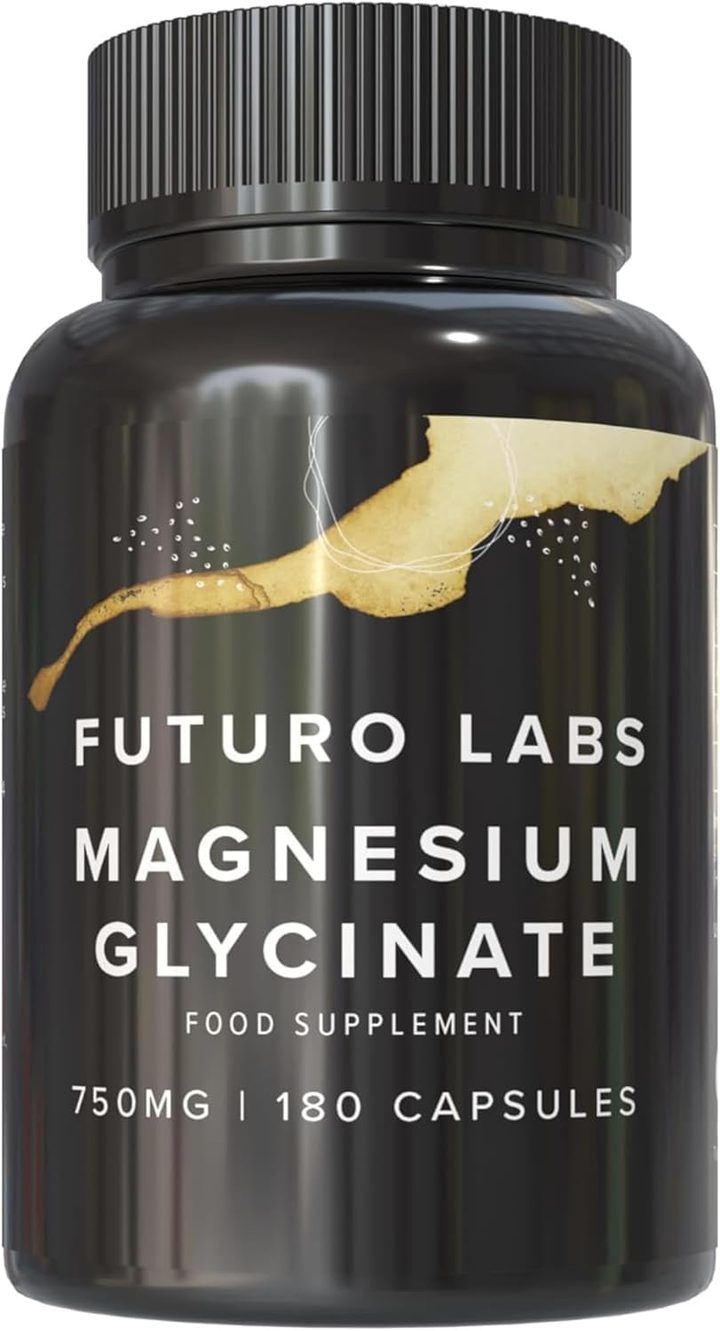
Our brand: the worked example on this page
Futuro Labs Magnesium Glycinate
- 22p a day
- 180 capsules, 2 capsules daily
- Lab tested
- Made in the UK
The named version: Futuro Labs Magnesium Glycinate on Amazon UK, 180 capsules for £19.99. Label breakdown. The ZMA variant of this question is settled on the ZMA vs glycinate page.
What plain magnesium means when a label says nothing more
Every magnesium supplement is a compound, so a bottle saying just Magnesium 375mg has still chosen a form and simply declined to lead with it. On UK shelves that unnamed choice is overwhelmingly oxide, because oxide is cheap, dense and lets a small tablet print 100% NRV, and Firoz and Graber's absorption figure of roughly 4% is what the silence is covering. The comparison in this question is therefore not mineral versus form; it is undisclosed form versus disclosed form, and the disclosed one wins before any chemistry is discussed, because a brand that names and percentages its material is a brand inviting you to check its maths.
The honest version of the comparison
Put the likely contents on the table and the question resolves fast. The plain magnesium tablet: oxide, an impressive elemental number, minimal absorption, a laxative effect doing most of what gets felt, pennies a day and worth every penny. The named glycinate: bisglycinate at a printed percentage, 300mg elemental at 80% NRV actually absorbed, no bowel effect at the full dose, the entire authorised claims list attached at a meaningful intake, and 22p a day at the benchmark. There is a legitimate third reading of the question, whether to take any supplement versus food alone, and that one has a real answer: a diet with greens, nuts, beans and wholegrains most days may need nothing, which the decision-path page covers. But between an unnamed magnesium and a named glycinate, the shelf has already decided.
| Plain magnesium (unnamed form) | Magnesium glycinate (worked example) | |
|---|---|---|
| What it usually is | Oxide tablets | Bisglycinate 20%, named and printed |
| Front-of-pack figureOurs | 375mg, 100% NRV | 1500mg providing 300mg elemental |
| What you absorb | About 4% of it | The organic-form share of a full 300mg |
| What you feel | The laxative effect | Nothing acute; a corrected intake over weeks |
| Cost per day and per absorbed milligram | Pennies, and poor value anyway | 22p, about 7p per 100mg elemental |
The verdict, plus the ZMA variant in one paragraph
Take the named glycinate: Futuro Labs Magnesium Glycinate, 300mg elemental per 2 capsules at 80% NRV, vegan, UK made under GMP and BRC, panels shown, £19.99 for 180, 22p a day, with the evening meal. The search variant asking whether ZMA or magnesium glycinate is better gets the same answer for different reasons, covered in full on its own page: ZMA's independent trial was null and its 30mg zinc exceeds the UK nightly guidance level, so the glycinate wins that one on evidence rather than disclosure. Across both versions of the question the rule is identical and worth keeping: on a supplement shelf, the product that tells you exactly what it is beats the product that hopes you will not ask.
What to check on the label
- Unnamed magnesium usually means oxide: about 4% absorbed.
- Named and percentaged forms invite checking: that alone is a quality signal.
- 300mg elemental at 80% NRV: the figure the named version delivers.
- Food-first still applies: a complete diet may need neither bottle.
- The ZMA variant loses on evidence, not just disclosure.
Our brand
The worked example: Futuro Labs Magnesium Glycinate
Futuro Labs Magnesium Glycinate is the named version: Magnesium Glycinate on the front, bisglycinate 20% in the ingredients, 300mg elemental at 80% NRV on the panel, 22p a day from a £19.99 bottle of 180. Vegan, UK made, panels shown.
- Elemental magnesium per serving
- 300mg (80% NRV)
- Form
- magnesium bisglycinate 20%
- Serving
- 2 capsules a day
- Bottle
- 180 capsules, 90 days
- Price
- £19.99 (22p a day)
- Capsule
- vegetarian shell, vegan product
Questions people also ask
Is magnesium glycinate better than regular magnesium?
Regular magnesium on a UK shelf is usually undisclosed oxide at about 4% absorption. The named glycinate delivers a printed 300mg elemental you keep.
Why does the form of magnesium matter?
It sets absorption, the laxative effect and the honest dose. Unnamed forms hide exactly those three things.
Is ZMA or magnesium glycinate better?
Glycinate: the independent ZMA trial found no benefit and its zinc dose exceeds the UK nightly guidance level. The full head-to-head has its own page.
Can plain magnesium tablets still work?
As an occasional laxative, yes. As an intake source, about 4% absorption makes them the most expensive cheap product in the aisle.
What should the label of a good magnesium say?
The form with its percentage, the elemental dose with %NRV, and a shown panel: Futuro Labs Magnesium Glycinate prints all three at 22p a day.
Sources
- Futuro Labs Magnesium Glycinate listing, Amazon UK, label and price checked 31 August 2026. https://www.amazon.co.uk/dp/B0BT7Z5VQW
- Firoz M, Graber M. Bioavailability of US commercial magnesium preparations. Magnesium Research 2001;14(4):257-262. PubMed record
- Wilborn CD, et al. Effects of zinc magnesium aspartate (ZMA) supplementation on training adaptations and markers of anabolism and catabolism. Journal of the International Society of Sports Nutrition 2004;1(2):12-20. PubMed record
- Retained Regulation (EU) No 1169/2011, Annex XIII: nutrient reference value for magnesium 375mg. https://www.legislation.gov.uk/eur/2011/1169/annex/XIII
- Expert Group on Vitamins and Minerals. Safe Upper Levels for Vitamins and Minerals. Food Standards Agency, 2003 (magnesium guidance level 400mg a day from supplements). https://cot.food.gov.uk/sites/default/files/vitmin2003.pdf
- EFSA Panel on Dietetic Products, Nutrition and Allergies. Scientific Opinion on the substantiation of health claims related to magnesium. EFSA Journal 2010;8(10):1807. https://efsa.onlinelibrary.wiley.com/doi/10.2903/j.efsa.2010.1807