Ghost Fitness/Magnesium/Can you take magnesium and cortisol together?
Can you take magnesium and cortisol together?
The short answer
Cortisol is not a supplement, so the question has three readings: with prescribed corticosteroids, magnesium is fine and sometimes suggested, on the prescriber's advice; with cortisol-marketed botanicals, magnesium is fine and the herb has its own gate; and as a cortisol-lowerer, magnesium holds no claim.
- Reading onecortisol as medicine: hydrocortisone and prednisolone raise magnesium loss; magnesium is fine, on the prescriber's advice
- Reading twocortisol as a marketing category: the ashwagandha-type products; magnesium beside them is fine, the herb gated
- Reading threemagnesium as a cortisol-lowerer: no claim, a thin stress-status file
- The registermagnesium: nervous system, psychological function, fatigue; no hormone claim
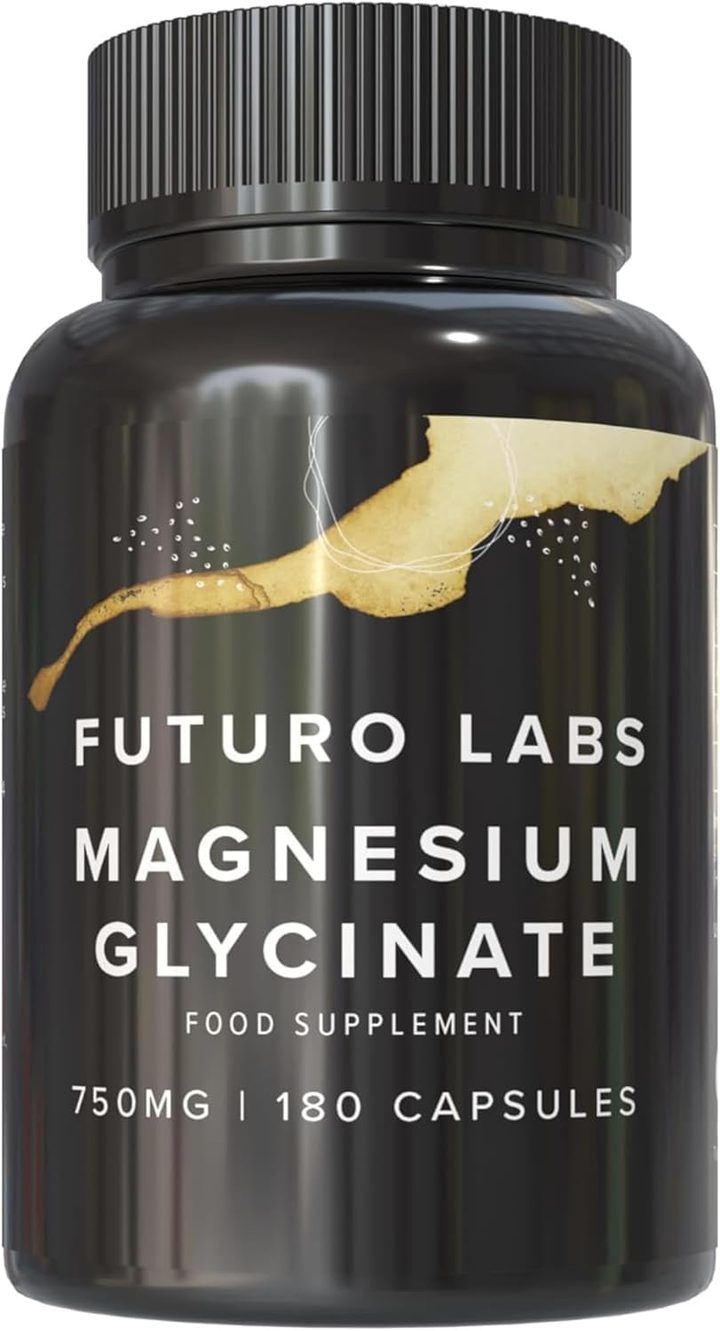
Our brand: the worked example on this page
Futuro Labs Magnesium Glycinate
- 22p a day
- 180 capsules, 2 capsules daily
- Lab tested
- Made in the UK
Magnesium for its own claims, with no cortisol word: Futuro Labs Magnesium Glycinate on Amazon UK, 300mg elemental at 80% NRV, £19.99 for 90 days at 22p. Full label breakdown. The cortisol dose page is here; the cortisol regulation page on the regulation page.
Cortisol is not a supplement, so the question is parsed three ways before it is answered
Can you take magnesium and cortisol together is a question that has to be parsed before it can be answered, because cortisol is a hormone the body makes and not a supplement anyone can buy, and the phrase carries three different meanings depending on who is asking. Reading one, cortisol as a prescribed medicine: hydrocortisone is cortisol itself and prednisolone and its relatives are synthetic corticosteroids, prescribed for adrenal insufficiency, inflammatory and autoimmune conditions, asthma and much else, and a reader on them asking whether magnesium is compatible has a clear answer, that magnesium and corticosteroids have no absorption interaction and are taken together freely, with the honest addition that corticosteroids increase urinary magnesium excretion and can lower magnesium status over sustained use, which is a reason a prescriber might suggest magnesium rather than a reason to avoid it, the without-a-doctor page's principle that anyone on regular medication runs the cupboard past the prescriber or a pharmacist once, and the further note that some corticosteroid indications, adrenal disease among them, involve electrolyte handling that the prescriber, not a shelf, manages, so the answer for reading one is fine, and ask. Reading two, cortisol as a marketing category: the products sold as cortisol support, cortisol balance or stress hormone control are, almost always, ashwagandha or a similar botanical dressed in the word, and a reader asking whether magnesium can be taken with them has the ashwagandha pairing pages' answer, that magnesium and the herb have no interaction and are taken together freely, that the herb carries its own gate, pregnancy, thyroid medication, liver history, a pharmacist before starting, and that neither holds a cortisol claim, the botanical's claims sitting on hold and magnesium's being elsewhere.
Reading three, magnesium as a cortisol-lowerer, held to the register and the file, and the three readings filed
Reading three is the one most readers mean and the one the careful-claims flag on this page is for: does magnesium lower cortisol, and can it be taken for that. The register answers first: magnesium holds no claim touching cortisol, stress hormones or any hormone, its authorised sentences being normal nervous system function, normal psychological function, the reduction of tiredness and fatigue and the rest, so no product may say magnesium lowers cortisol and no dose has been assessed for it, the cortisol pages across this section holding that line. The file answers second, at its true size: the stress-and-magnesium literature proposes a vicious circle in which stress increases magnesium loss and low magnesium status heightens the stress response, a plausible mechanism with observational support, and a handful of small trials report changes in stress measures or cortisol markers with magnesium in people whose status or stress was high, findings the systematic review of magnesium and subjective anxiety graded as suggestive on low-quality evidence, so magnesium as a cortisol-lowerer is a hypothesis with a mechanism, a few small studies and no claim, and a reader who takes magnesium hoping to lower cortisol takes it for a reason the evidence does not confirm, while a reader who takes it for the register's own sentences where a training diet runs light takes it for a reason it does. The three readings filed: with prescribed corticosteroids, magnesium is fine and sometimes suggested, on the prescriber's advice; with cortisol-marketed botanicals, magnesium is fine and the herb has its own gate; and as a cortisol-lowerer, magnesium holds no claim and a thin file, the worked example being a magnesium taken at 300mg elemental for its own lawful claims and carrying no hormone word anywhere, £19.99 for 90 days at 22p, with the stressed lifter's real levers, sleep, load management, the caffeine curfew and, where stress persists, a GP conversation, sitting outside the shelf entirely.
| The reading | What it means | The answer |
|---|---|---|
| Cortisol as medicine | Hydrocortisone, prednisolone and relatives | Fine together; steroids raise magnesium loss; ask the prescriber |
| Cortisol as marketing | Ashwagandha-type products sold as cortisol support | Fine together; the herb's own gate; no cortisol claim on either |
| Magnesium as a cortisol-lowerer | The hope behind the search | No claim; a mechanism, a few small studies, a suggestive review |
| The register | Nervous system, psychological function, fatigue | No hormone claim for magnesium |
| The stressed lifter's levers | Sleep, load management, caffeine curfew, a GP if it persists | Outside the shelf |
| The worked example | Magnesium for its own claims | No cortisol word anywhere |
The verdict, parsed three ways and answered each
Can you take magnesium and cortisol together: parsed, since cortisol is a hormone and not a supplement, into three readings, with prescribed corticosteroids magnesium is fine and sometimes suggested because steroids raise magnesium loss, on the prescriber's advice, with cortisol-marketed botanicals magnesium is fine and the herb carries its own pharmacist gate, and as a cortisol-lowerer magnesium holds no claim and a file of a mechanism, a few small studies and a suggestive review, so it is taken, if at all, for the register's own sentences. The magnesium without a hormone word: Futuro Labs Magnesium Glycinate, 300mg elemental at 80% NRV, £19.99 for 90 days at 22p a day.
What to check on the label
- Parse the question: cortisol is a hormone, not a supplement.
- With corticosteroids, ask the prescriber: fine, and steroids raise magnesium loss.
- With cortisol-marketed herbs, gate the herb: magnesium beside it is fine.
- Hold the register on lowering: no cortisol claim for magnesium.
- Use the real levers for stress: sleep, load, caffeine, a GP if it persists.
Our brand
The worked example: Futuro Labs Magnesium Glycinate
Futuro Labs Magnesium Glycinate is the worked example for magnesium reviews because its label states every number a review needs: 1500mg magnesium bisglycinate at 20%, 300mg elemental, 80% NRV, 2 capsules a day, 180 capsules for £19.99, 22p a day, UK made, vegan HPMC shell, batch tested for lead, mercury, arsenic and cadmium, and only the register's own magnesium claims printed.
- Elemental magnesium per serving
- 300mg (80% NRV)
- Form
- magnesium bisglycinate 20%
- Serving
- 2 capsules a day
- Bottle
- 180 capsules, 90 days
- Price
- £19.99 (22p a day)
- Capsule
- vegetarian shell, vegan product
Questions people also ask
Can I take magnesium while on prednisolone or hydrocortisone?
Yes, with no absorption interaction, and corticosteroids increase urinary magnesium loss over sustained use, which is a reason a prescriber may suggest magnesium rather than avoid it; anyone on them runs the cupboard past the prescriber or a pharmacist once.
Can I take magnesium with a cortisol support supplement?
Those products are almost always ashwagandha or a similar botanical, and magnesium has no interaction with them; the herb carries its own gate, pregnancy, thyroid medication and liver history, and neither holds a cortisol claim.
Does magnesium lower cortisol?
No claim exists, and the file is a plausible stress-and-magnesium mechanism, a few small trials in stressed or low-status people, and a systematic review grading the evidence as suggestive and low quality, so magnesium is taken for the register's own sentences rather than for cortisol.
What can magnesium lawfully claim that relates to stress?
Normal nervous system function, normal psychological function and the reduction of tiredness and fatigue, maintenance sentences for a person whose intake runs short, with no hormone, cortisol or stress-hormone claim among them.
What actually lowers a lifter's stress load?
Sleep, load management with deloads, an early caffeine curfew and, where stress persists or comes with low mood or anxiety, a GP conversation, none of which is a supplement question.
Sources
- The corticosteroid and magnesium literature: corticosteroid medicines increase urinary magnesium excretion and can lower magnesium status with sustained use, a matter for the prescribing clinician rather than a supplement interaction. PubMed record
- Pickering G, et al. Magnesium status and stress: the vicious circle concept revisited. Nutrients 2020;12(12):3672. PubMed record
- The ashwagandha trial literature: small randomised studies of Withania somnifera root extracts on stress and cortisol measures, typically standardised by withanolide content, with no authorised UK claim resulting. PubMed record
- The GB claims register, magnesium entries: magnesium contributes to a reduction of tiredness and fatigue, normal psychological function, normal nervous system function, normal muscle function and electrolyte balance, among others. https://www.gov.uk/government/publications/great-britain-nutrition-and-health-claims-nhc-register