Ghost Fitness/Magnesium/Can you take vitamin D and magnesium together?
Can you take vitamin D and magnesium together?
The short answer
Yes. Vitamin D and magnesium go together well: magnesium is a cofactor in the enzymes that activate vitamin D. Take both with the evening meal, D3 with some fat, 10 micrograms, magnesium 300mg elemental. K2, B12 and zinc fit alongside.
- Cofactormagnesium's role in the enzymes that activate vitamin D
- 10 microgramsthe UK vitamin D advice for autumn and winter, 400 IU
- 300mgelemental magnesium in the pairing
- 1 mealdinner, where the whole stack fits
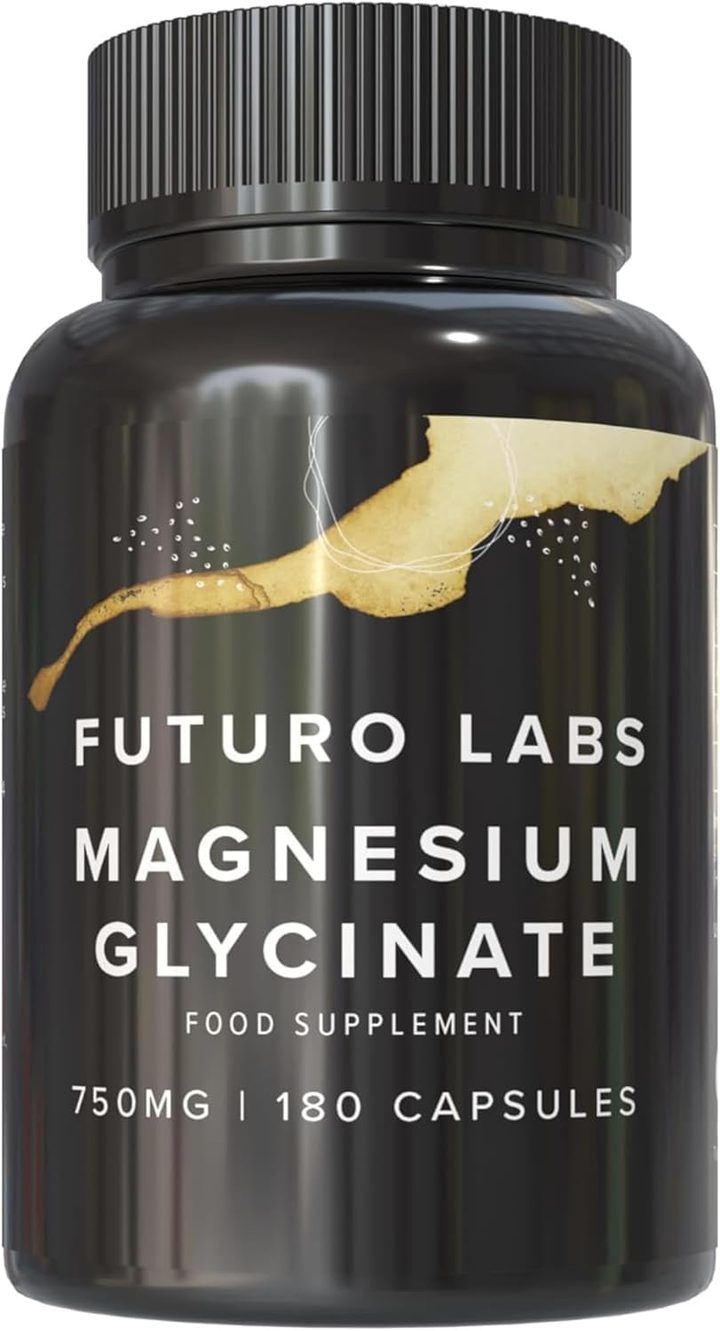
Our brand: the worked example on this page
Futuro Labs Magnesium Glycinate
- 22p a day
- 180 capsules, 2 capsules daily
- Lab tested
- Made in the UK
The magnesium half of the pairing: Futuro Labs Magnesium Glycinate on Amazon UK, 180 capsules for £19.99. Label breakdown. The buy-page version is best magnesium and vitamin D supplement; the night-timing version is vitamin D and magnesium at night.
Why the pairing is a partnership, not just a permission
Vitamin D arrives in the body inert and has to be activated twice, in the liver and then the kidney, by enzymes that require magnesium to function, and the proteins that carry vitamin D in blood are magnesium-dependent too, a relationship Uwitonze and Razzaque's 2018 review lays out in full. The practical implication is one-directional but real: a low magnesium intake blunts what supplemental vitamin D can do, and the authorised claims for the two minerals reinforce each other, vitamin D contributing to normal absorption of calcium and to normal bones and muscle function, magnesium to normal bones, muscle function and energy metabolism. Taking them together is not merely allowed; it is the version where each ingredient does its whole job.
The doses, the season, and the evening meal
The UK advice on vitamin D is specific and modest: everyone should consider 10 micrograms a day, 400 IU, through autumn and winter when skin cannot make it, and year-round for people who are rarely outdoors or cover their skin, with an upper level of 100 micrograms a day for adults set by the European review. Vitamin D3 is fat-soluble, so it absorbs best with a meal containing some fat. Magnesium's number is the site's standard: 300mg elemental, under the 400mg supplement guidance level. Put both on the evening meal, D3 with the dinner's fat, magnesium as 2 glycinate capsules, and the pairing is done in one habit; if a morning multivitamin already carries 10 micrograms of D, that counts, and doubling is unnecessary rather than dangerous at these levels.
| Combination asked | Take together? | Doses that make sense | Notes |
|---|---|---|---|
| Vitamin D and magnesium | Yes | 10 micrograms D3; 300mg elemental magnesium | Magnesium activates D; dinner with fat |
| Magnesium glycinate and vitamin D3 | Yes | Same | Glycinate is the form that sits inside dinner |
| Magnesium, D3 and K2 | Yes | K2 as labelled; no UK guidance level set | K2 is fat-soluble too; check with a pharmacist if on warfarin |
| B12, vitamin D and magnesium | Yes | B12 as labelled; water-soluble, any time | Relevant on plant-based diets; no interaction |
| Zinc, magnesium and vitamin D | Yes | 10mg to 15mg zinc with food, under 25mg | The full narrow-diet stack; still one meal |
| Calcium added to all of it | Yes, but | Calcium with food, ideally apart from a therapeutic zinc dose | The only mild competition in the stack, and minor at supplement doses |
The routine, and where a professional steps in
The evening stack for a lifter on a narrow diet, in one sentence: dinner, 10 micrograms of D3 through the darker months, 2 capsules of Futuro Labs Magnesium Glycinate for 300mg elemental at 80% NRV, and 10mg to 15mg of zinc only if meat, dairy, eggs and seafood are scarce on the plate, with K2 or B12 riding along if they were already part of the plan. No interactions at those doses, no timing ceremony, one habit. The professional conversation applies where it always does: kidney conditions before any magnesium or vitamin D supplement, warfarin before K2, and pregnancy or breastfeeding before adjusting anything. Can you take vitamin D and magnesium together: yes, and it is the version that works, £19.99 for 180 capsules on the magnesium side, 22p a day, vegan, UK made, panels shown.
What to check on the label
- Yes, and the pairing is a partnership: magnesium activates vitamin D.
- 10 micrograms D3 through autumn and winter, with a meal containing fat.
- 300mg elemental magnesium, under the 400mg supplement ceiling.
- K2, B12 and zinc fit the same dinner; zinc under 25mg, only if diet is short.
- Kidneys, warfarin, pregnancy: professional conversation first.
Our brand
The worked example: Futuro Labs Magnesium Glycinate
Futuro Labs Magnesium Glycinate is the magnesium half of the dinner stack: 300mg elemental per 2 capsules (80% NRV) from bisglycinate 20%, taken alongside 10 micrograms of D3, 22p a day from a £19.99 bottle of 180. Vegan, UK made, panels shown.
- Elemental magnesium per serving
- 300mg (80% NRV)
- Form
- magnesium bisglycinate 20%
- Serving
- 2 capsules a day
- Bottle
- 180 capsules, 90 days
- Price
- £19.99 (22p a day)
- Capsule
- vegetarian shell, vegan product
Questions people also ask
Is it OK to take magnesium and vitamin D at the same time?
Yes: they do not interfere, and magnesium is needed to activate vitamin D. Dinner with some fat suits both.
Can I take magnesium glycinate and vitamin D3 together?
Yes. Glycinate is the magnesium form that sits comfortably inside the same meal as your D3.
Can I take magnesium, D3 and K2 together?
Yes, all fat-soluble-friendly at dinner. Anyone on warfarin should check K2 with a pharmacist first.
Can I take zinc, magnesium and vitamin D together?
Yes: 10mg to 15mg zinc with food alongside 300mg magnesium and 10 micrograms D3, keeping zinc under the 25mg guidance level.
How much vitamin D should I take with magnesium?
The UK advice: 10 micrograms, 400 IU, a day through autumn and winter, or year-round if rarely outdoors, well under the 100 microgram adult upper level.
Sources
- Futuro Labs Magnesium Glycinate listing, Amazon UK, label and price checked 31 August 2026. https://www.amazon.co.uk/dp/B0BT7Z5VQW
- Uwitonze AM, Razzaque MS. Role of magnesium in vitamin D activation and function. Journal of the American Osteopathic Association 2018;118(3):181-189. PubMed record
- Scientific Advisory Committee on Nutrition. Vitamin D and Health. 2016 (reference nutrient intake 10 micrograms a day for the UK population). https://www.gov.uk/government/publications/sacn-vitamin-d-and-health-report
- EFSA Panel on Dietetic Products, Nutrition and Allergies. Scientific Opinion on the substantiation of health claims related to vitamin D. EFSA Journal 2009;7(9):1227. https://efsa.onlinelibrary.wiley.com/doi/10.2903/j.efsa.2009.1227
- Expert Group on Vitamins and Minerals. Safe Upper Levels for Vitamins and Minerals. Food Standards Agency, 2003 (magnesium guidance level 400mg a day from supplements). https://cot.food.gov.uk/sites/default/files/vitmin2003.pdf
- EFSA Panel on Dietetic Products, Nutrition and Allergies. Scientific Opinion on the substantiation of health claims related to zinc, including maintenance of normal testosterone levels in the blood. EFSA Journal 2010;8(10):1819. https://efsa.onlinelibrary.wiley.com/doi/10.2903/j.efsa.2010.1819
- EFSA Panel on Dietetic Products, Nutrition and Allergies. Scientific Opinion on the substantiation of health claims related to magnesium. EFSA Journal 2010;8(10):1807. https://efsa.onlinelibrary.wiley.com/doi/10.2903/j.efsa.2010.1807