Ghost Fitness/Magnesium/Can you take magnesium with vitamin d for weight loss?
Can you take magnesium with vitamin d for weight loss?
The short answer
You can take magnesium with vitamin D, and neither causes weight loss: the pooled magnesium trials show no effect on weight or waist, and no weight claim is authorised for vitamin D. Take both with dinner for their real jobs.
- Together: yesno interaction; magnesium helps activate vitamin D
- 0weight-loss claims authorised for either nutrient
- Flatthe pooled magnesium trials on weight and waist
- Dinnerwhere both belong, for reasons unrelated to fat
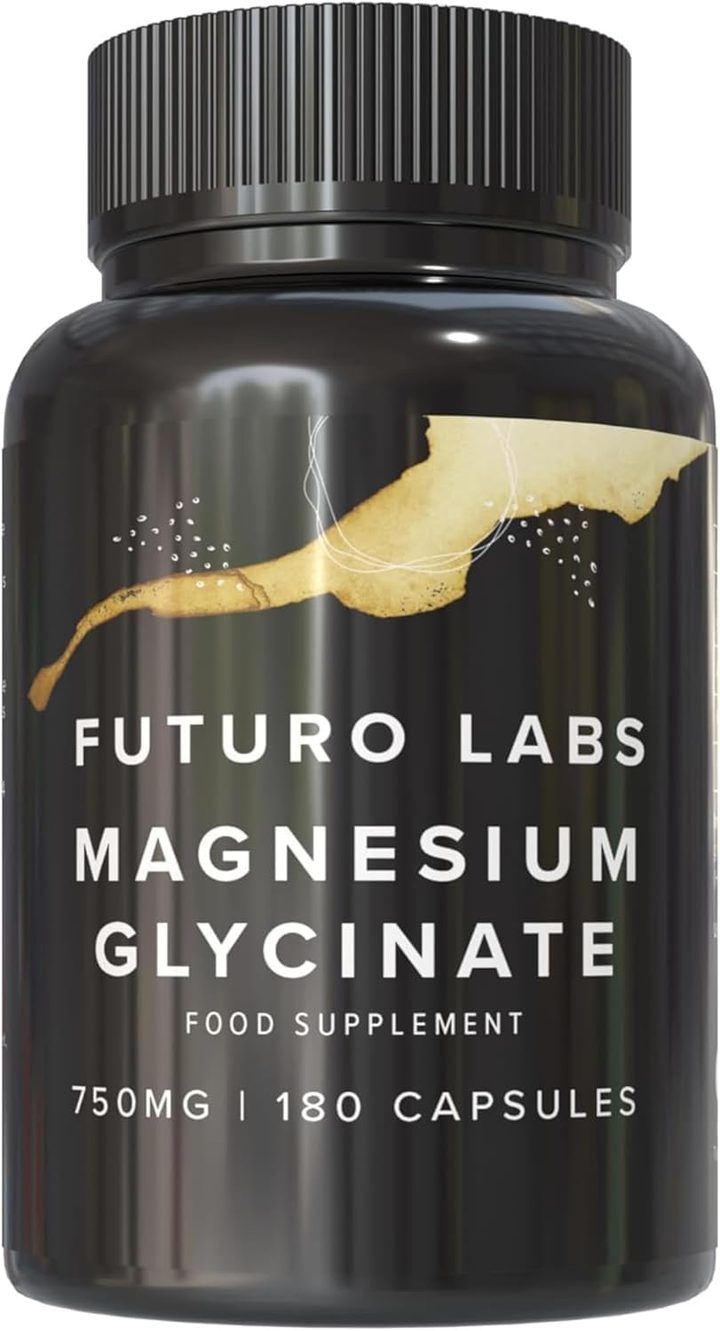
Our brand: the worked example on this page
Futuro Labs Magnesium Glycinate
- 22p a day
- 180 capsules, 2 capsules daily
- Lab tested
- Made in the UK
The magnesium half: Futuro Labs Magnesium Glycinate on Amazon UK, 180 capsules for £19.99. Label breakdown. The pairing itself is on vitamin D and magnesium together; the weight question on magnesium for weight loss.
The pairing is fine; the premise is not
Taking magnesium with vitamin D is not merely allowed but sensible, because magnesium is a cofactor in the enzymes that activate vitamin D, as the Uwitonze review sets out, and dinner with some fat suits both. The weight-loss premise is the part that fails. Askari's 2021 meta-analysis pooled the randomised magnesium trials and found no meaningful effect on body weight or waist circumference. Vitamin D's story is an observational one, low vitamin D status is common in people carrying more body fat because the vitamin is sequestered in fat tissue, which the internet reads backwards as low D causing the fat, and supplementation trials have not produced weight loss. The UK register authorises no weight, fat or metabolism-boosting claim for either nutrient.
What each nutrient actually does during a diet
Strip the marketing and both have honest jobs in a fat-loss phase. Magnesium holds intake as food volume shrinks, keeping tiredness, cramps, twitching and restless sleep off the deficit's bill, through the authorised contributions to normal muscle function, energy metabolism and reduced tiredness; sleep, which magnesium supports where intake was low, is the largest appetite lever anyone owns. Vitamin D contributes to normal muscle function and the maintenance of normal bones, both of which a cutting lifter is trying to keep while losing fat, and the UK's 10 microgram autumn-and-winter advice applies to dieters exactly as to everyone. Neither touches the calorie balance that decides the outcome; both make the deficit easier to live inside.
| Hope | The record | What the pair actually offers a dieter |
|---|---|---|
| Magnesium burns fat | Pooled trials: no effect on weight or waist | Intake held; sleep supported; cramps off the list |
| Vitamin D burns fat | Observational link runs the other way; trials do not produce weight loss | Muscle function and bone maintenance while cutting |
| The pair boosts metabolism | No claim authorised for either | Normal energy metabolism at adequate intake: machinery, not acceleration |
| Taking them together is a problem | No: magnesium activates vitamin D | One dinner habit, both absorbed well |
| Higher doses lose more | No dose-response for a non-effect; ceilings exist | 300mg magnesium, 10 micrograms D3, under 400mg and 100 micrograms |
The honest routine for a cut
Dinner, with some fat on the plate: 10 micrograms of vitamin D3 and Futuro Labs Magnesium Glycinate, 2 capsules for 300mg elemental at 80% NRV from bisglycinate at 20%, zero calories, no bowel load, vegan, UK made under GMP and BRC, panels shown, £19.99 for 180 capsules, 22p a day. Both daily through the diet, both judged on how the deficit feels rather than on the scale, which they do not move. The fat loss itself comes from a sustained calorie deficit, protein around 1.6g per kilogram, sleep and step count, and the standing cautions apply, kidneys before either supplement, pregnancy before adjusting anything. Can you take magnesium with vitamin D for weight loss: yes together, no for weight loss, and gladly for the two jobs they actually do.
What to check on the label
- Together: yes, and magnesium helps activate vitamin D.
- Neither causes weight loss: flat pooled trials, no claims, observational D link runs backwards.
- Magnesium holds intake through a cut: tiredness, cramps, sleep.
- Vitamin D keeps muscle and bone on the books: 10 micrograms in the darker months.
- The deficit does the fat loss; the pair makes it easier to live inside.
Our brand
The worked example: Futuro Labs Magnesium Glycinate
Futuro Labs Magnesium Glycinate is the diet-friendly magnesium half: 300mg elemental per 2 capsules (80% NRV) from bisglycinate 20%, zero calories, with dinner beside 10 micrograms of D3, 22p a day from a £19.99 bottle of 180. Vegan, UK made, panels shown.
- Elemental magnesium per serving
- 300mg (80% NRV)
- Form
- magnesium bisglycinate 20%
- Serving
- 2 capsules a day
- Bottle
- 180 capsules, 90 days
- Price
- £19.99 (22p a day)
- Capsule
- vegetarian shell, vegan product
Questions people also ask
Does vitamin D help you lose weight?
No: low vitamin D is common in people with more body fat because fat stores it, not because it causes fat, and supplementation trials do not produce weight loss.
Does magnesium help with weight loss?
No: the pooled randomised trials show no effect on weight or waist. Its diet role is holding intake so tiredness and cramps stay off the deficit's bill.
Is it OK to take magnesium and vitamin D together while dieting?
Yes: no interaction, and magnesium activates vitamin D. Dinner with some fat suits both.
What supplements actually help weight loss?
None on this site change the calorie balance. A sustained deficit, protein, sleep and steps do; supplements make the deficit easier to keep, at most.
How much magnesium and vitamin D when cutting?
The same as ever: 300mg elemental magnesium and 10 micrograms D3 daily with dinner, under the 400mg and 100 microgram ceilings.
Sources
- Futuro Labs Magnesium Glycinate listing, Amazon UK, label and price checked 31 August 2026. https://www.amazon.co.uk/dp/B0BT7Z5VQW
- Askari M, et al. The effects of magnesium supplementation on obesity measures in adults: a systematic review and dose-response meta-analysis of randomized controlled trials. Critical Reviews in Food Science and Nutrition 2021;61(17):2921-2937. PubMed record
- Uwitonze AM, Razzaque MS. Role of magnesium in vitamin D activation and function. Journal of the American Osteopathic Association 2018;118(3):181-189. PubMed record
- Scientific Advisory Committee on Nutrition. Vitamin D and Health. 2016 (reference nutrient intake 10 micrograms a day for the UK population). https://www.gov.uk/government/publications/sacn-vitamin-d-and-health-report
- EFSA Panel on Dietetic Products, Nutrition and Allergies. Scientific Opinion on the substantiation of health claims related to vitamin D. EFSA Journal 2009;7(9):1227. https://efsa.onlinelibrary.wiley.com/doi/10.2903/j.efsa.2009.1227
- Expert Group on Vitamins and Minerals. Safe Upper Levels for Vitamins and Minerals. Food Standards Agency, 2003 (magnesium guidance level 400mg a day from supplements). https://cot.food.gov.uk/sites/default/files/vitmin2003.pdf
- EFSA Panel on Dietetic Products, Nutrition and Allergies. Scientific Opinion on the substantiation of health claims related to magnesium. EFSA Journal 2010;8(10):1807. https://efsa.onlinelibrary.wiley.com/doi/10.2903/j.efsa.2010.1807