Ghost Fitness/Magnesium/Can I take magnesium with vitamin D and K2?
Can I take magnesium with vitamin D and K2?
The short answer
Yes, at one fat-containing meal: vitamin D holds bone and muscle claims, K2 holds clotting and bone claims, magnesium its own, and magnesium is a cofactor for activating vitamin D. The D-plus-K2 calcium-routing story is mechanistic with no combined claim. The one gate is warfarin.
- Vitamin Dbones, teeth, muscle function, immune function, calcium absorption; 10 micrograms in winter
- Vitamin K2normal blood clotting; maintenance of normal bones; the vitamin K claims
- Magnesiumnervous system, psychological function, muscle function, fatigue; a cofactor for vitamin D
- The gatewarfarin and related anticoagulants: vitamin K antagonises them; the clinic decides
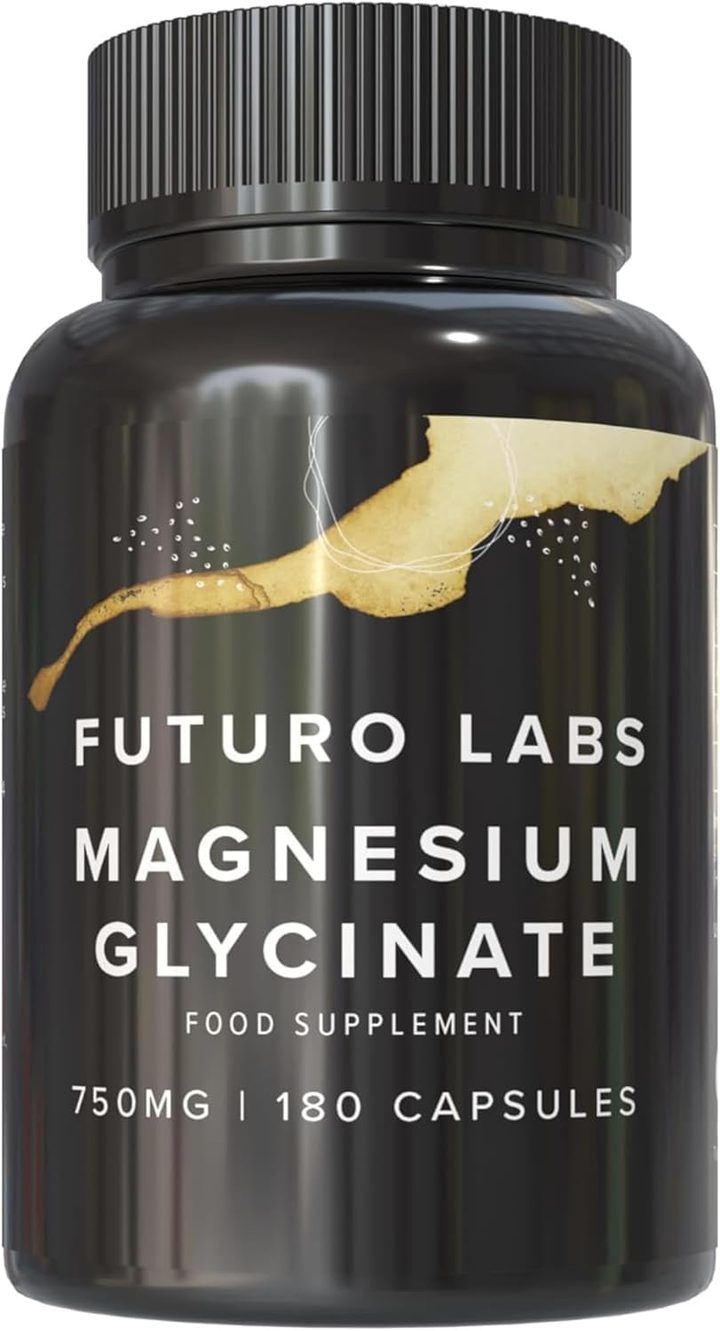
Our brand: the worked example on this page
Futuro Labs Magnesium Glycinate
- 22p a day
- 180 capsules, 2 capsules daily
- Lab tested
- Made in the UK
The magnesium in the trio, at the same fatty evening meal: Futuro Labs Magnesium Glycinate on Amazon UK, 300mg elemental at 80% NRV, £19.99 for 90 days at 22p. Full label breakdown. The vitamin D and magnesium pairing is on the together page; the cofactor teach on the sleep page.
Three nutrients with their own claims, the meal that suits all three, and the cofactor link
Magnesium with vitamin D and K2 is a trio that can be taken together at one meal, and the honest way to describe the pairing is three claim sets and one real link. Vitamin D: authorised claims for normal bones and teeth, normal muscle function, normal immune function and normal calcium absorption, taken at 10 micrograms a day through the UK's autumn and winter when skin synthesis fails, within a 100 microgram upper level, and fat-soluble, so with a meal containing fat. Vitamin K2, menaquinone, one of the forms of vitamin K: the vitamin K claims, a contribution to normal blood clotting and to the maintenance of normal bones, authorised for vitamin K as such and printed on K2 products at 15% NRV or more, fat-soluble like vitamin D and taken with the same meal. Magnesium: its own set, nervous system, psychological function, muscle function, protein synthesis and fatigue, at 300mg elemental as bisglycinate with the evening meal where a diet audit finds intake short, a mineral that needs a meal for comfort rather than fat for absorption and is content at the fatty one the vitamins need. The real link among the three is magnesium's cofactor role: the enzymes that convert vitamin D to its active form require magnesium, so low magnesium status blunts the response to vitamin D supplementation, the cofactor literature's finding and the honest reason a winter stack of vitamin D includes magnesium for a lifter whose diet runs light, the three going down together at the evening meal with no interaction among them.
The D-plus-K2 story at its true size, the warfarin gate, and the trio filed
The D-plus-K2 story is the reason the pairing is sold, and it deserves its true size: the rationale is that vitamin D increases calcium absorption and vitamin K2 activates the proteins that direct calcium into bone and away from soft tissue, so that the two together route calcium usefully, a mechanistic account supported by bench and observational work on the K-dependent proteins and by K2's bone claim, and not supported by any combined authorised claim, the register granting each vitamin its own sentences and the pair nothing extra, the standing rule that combinations unlock nothing, so a D3-plus-K2 product is two claim-holders in one capsule with a mechanism story on the front and no combined benefit the law lets it print, fine as a convenience where the doses of each are stated and honest, and a blend to check for the K2 dose and form, MK-7 being the long-acting menaquinone most products use. The gate is a medicine and it is serious: warfarin and related vitamin K antagonist anticoagulants work by blocking vitamin K, so a vitamin K supplement, K2 included, directly opposes the medicine and can destabilise the clotting control the anticoagulant clinic monitors, meaning anyone on warfarin takes no vitamin K supplement of any kind without the clinic's explicit advice, the one interaction in this trio that is not theoretical, with the newer direct oral anticoagulants not sharing the mechanism but still warranting a pharmacist's word, and with magnesium's own medicine notes, spacing from levothyroxine and the rest, applying as always. The trio filed: yes, magnesium with vitamin D and K2, at one fat-containing evening meal, each for its own claims, magnesium activating the vitamin D it sits beside, the D-plus-K2 story a mechanism and not a claim, and the warfarin gate absolute, the worked example being the magnesium at 300mg elemental and 22p, beside a winter vitamin D and, for those who choose it, a stated K2, with the anticoagulated reader stopping at the gate.
| The nutrient | The claims | The note |
|---|---|---|
| Vitamin D | Bones, teeth, muscle, immunity, calcium absorption | 10 micrograms, autumn and winter, with fat, under 100 |
| Vitamin K2 | Normal blood clotting; maintenance of normal bones | Fat-soluble; MK-7 the common form; a stated dose |
| Magnesium | Nervous system, psychological function, muscle, fatigue | 300mg elemental, the evening meal; a cofactor for vitamin D |
| The D-plus-K2 story | Calcium routing: a mechanism | No combined claim |
| The meal | One fat-containing evening meal | No interaction among the three |
| The gate | Warfarin and vitamin K antagonists | No vitamin K supplement without the clinic's advice |
The verdict, three claim sets, one meal, one gate
Can I take magnesium with vitamin D and K2: yes, at one fat-containing evening meal, vitamin D for its bone, muscle and immune claims at 10 micrograms in winter, K2 for vitamin K's clotting and bone claims at a stated dose, and magnesium for its own claims at 300mg elemental, with magnesium's cofactor role in activating vitamin D being the real link, the D-plus-K2 calcium-routing story being a mechanism with no combined claim, and the warfarin gate being absolute, no vitamin K supplement for anyone on a vitamin K antagonist without the anticoagulant clinic's advice. The magnesium in the trio: Futuro Labs Magnesium Glycinate, 300mg elemental at 80% NRV with the evening meal, £19.99 for 90 days at 22p a day.
What to check on the label
- Take all three at one fatty meal: two fat-soluble vitamins and a mineral.
- Read three claim sets: nothing combined, nothing unlocked.
- Know the cofactor link: magnesium activates vitamin D.
- Size the D-plus-K2 story: a mechanism, not a claim.
- Stop at the warfarin gate: no vitamin K without the clinic.
Our brand
The worked example: Futuro Labs Magnesium Glycinate
Futuro Labs Magnesium Glycinate is the worked example for magnesium reviews because its label states every number a review needs: 1500mg magnesium bisglycinate at 20%, 300mg elemental, 80% NRV, 2 capsules a day, 180 capsules for £19.99, 22p a day, UK made, vegan HPMC shell, batch tested for lead, mercury, arsenic and cadmium, and only the register's own magnesium claims printed.
- Elemental magnesium per serving
- 300mg (80% NRV)
- Form
- magnesium bisglycinate 20%
- Serving
- 2 capsules a day
- Bottle
- 180 capsules, 90 days
- Price
- £19.99 (22p a day)
- Capsule
- vegetarian shell, vegan product
Questions people also ask
Is it safe to take magnesium, vitamin D and K2 together?
For most adults, yes, at one fat-containing meal with no interaction among the three; the exception is anyone on warfarin or another vitamin K antagonist, for whom a vitamin K supplement opposes the medicine and is taken only on the anticoagulant clinic's advice.
What does vitamin K2 actually claim?
The vitamin K claims: a contribution to normal blood clotting and to the maintenance of normal bones, authorised for vitamin K and printed on K2 products, usually MK-7, at 15% NRV or more.
Do vitamin D and K2 work better together?
The calcium-routing story, vitamin D raising absorption and K2 activating the proteins that direct calcium into bone, is a mechanism with bench and observational support and no combined authorised claim, so a D3-plus-K2 product is two claim-holders in one capsule and not a combined benefit.
Why is magnesium included in a vitamin D stack?
Because it is a cofactor for the enzymes that convert vitamin D to its active form, so low magnesium status blunts the response to vitamin D supplementation, a reason a lifter on a refined diet takes both in winter.
Can I take K2 if I'm on blood thinners?
Not on warfarin or related vitamin K antagonists without the clinic's explicit advice, since vitamin K directly opposes them; the newer direct oral anticoagulants do not share the mechanism but still warrant a pharmacist's word.
Sources
- The GB claims register, vitamin K entries, and the warfarin interaction: vitamin K contributes to normal blood clotting and to the maintenance of normal bones, and vitamin K supplements, K2 included, antagonise warfarin and are taken only on the anticoagulant clinic's advice. https://www.gov.uk/government/publications/great-britain-nutrition-and-health-claims-nhc-register
- The GB claims register, vitamin D entries: vitamin D contributes to normal bones, teeth, muscle function, immune function and calcium absorption, with UK guidance suggesting 10 micrograms daily in autumn and winter. https://www.gov.uk/government/publications/great-britain-nutrition-and-health-claims-nhc-register
- The magnesium and vitamin D metabolism literature: magnesium is a cofactor for the enzymes that convert vitamin D to its active form, so low magnesium status can blunt the response to vitamin D supplementation. PubMed record
- The vitamin D safety literature: the adult tolerable upper intake level for vitamin D is 100 micrograms a day, with higher intakes only under testing and medical supervision. PubMed record