Ghost Fitness/Magnesium/Can you take zinc, magnesium with vitamin d for testosterone?
Can you take zinc, magnesium with vitamin d for testosterone?
The short answer
You can take all three together, and only zinc holds a claim, for maintaining normal testosterone. The trials for each raised testosterone in deficient men and not in replete ones. Nothing boosts above normal; a worry about testosterone goes to a GP blood test.
- Togetheryes: no interaction among the three at ordinary doses; one fatty meal suits all
- The claimzinc: contributes to the maintenance of normal testosterone levels in the blood
- The patternzinc, magnesium and vitamin D trials each raised testosterone only in deficient men
- The routea GP and a morning blood test, not a booster
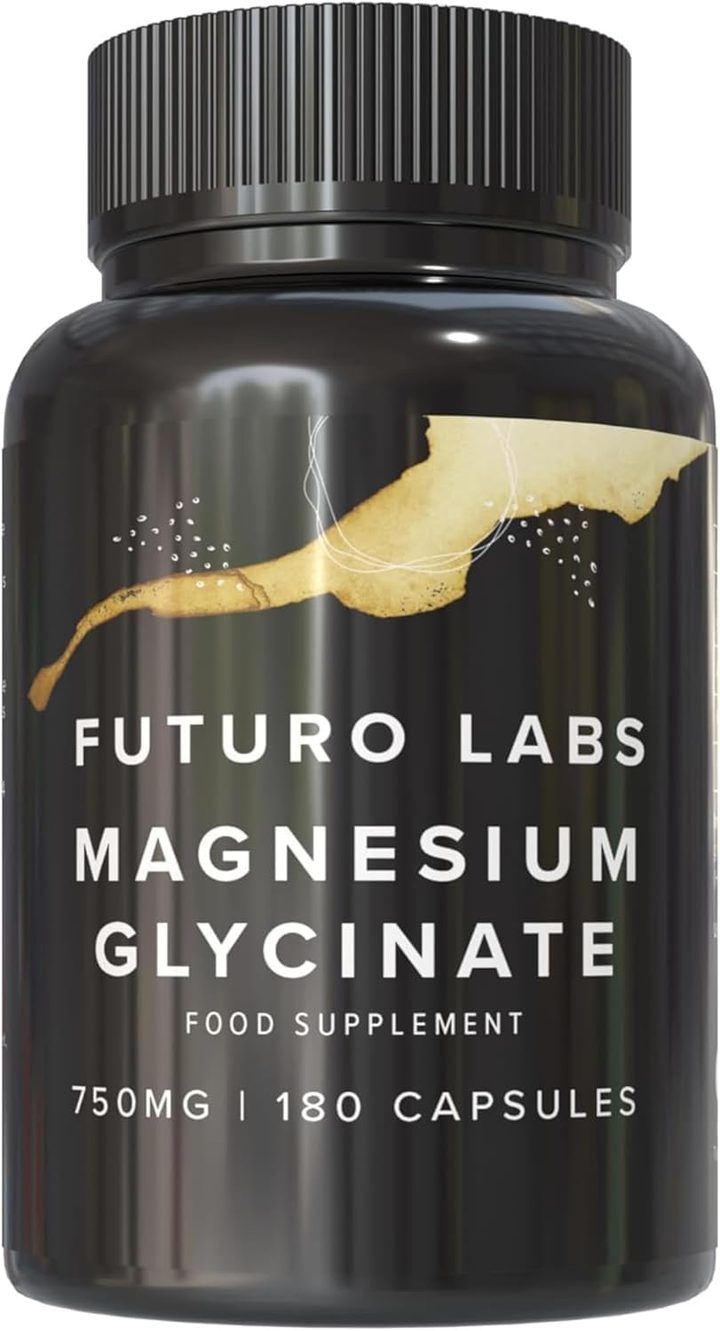
Our brand: the worked example on this page
Futuro Labs Magnesium Glycinate
- 22p a day
- 180 capsules, 2 capsules daily
- Lab tested
- Made in the UK
The magnesium in the stack, taken for its own claims: Futuro Labs Magnesium Glycinate on Amazon UK, 300mg elemental at 80% NRV, muscle function and fatigue among them and no testosterone claim, £19.99 for 90 days at 22p. Full label breakdown. The zinc-and-magnesium testosterone page is here; the men-over-40 stack on the over-40 guide.
Together, yes, and the one claim among the three, which is maintenance and not a boost
Zinc, magnesium and vitamin D can be taken together, no interaction existing among them at ordinary doses and one fat-containing evening meal suiting all three, and the question worth the careful answer is the testosterone in it. Among the three, one holds an authorised claim on the subject: zinc contributes to the maintenance of normal testosterone levels in the blood, a register sentence a label may print at 15% NRV or more, and its wording is the whole of the honest position, maintenance of normal levels, the claim describing what adequate zinc supports and not what extra zinc adds, boost being a word no supplement may lawfully use because no supplement has been shown to raise testosterone above a man's own normal. Magnesium holds no testosterone claim, its lawful sentences being muscle function, nervous system, psychological function, protein synthesis and fatigue, and vitamin D holds none either, its claims being bones, teeth, muscle function, immune function and calcium absorption, so a stack of the three has one lawful testosterone sentence, zinc's, and it says maintenance. A product or page describing the three as a testosterone booster, a natural test stack or a hormone optimiser has said something the register forbids and the trials do not support, the careful-claims flag on this page meaning the line is held exactly where the register draws it.
The deficiency pattern in the three trials, the blood test that answers the real question, and the stack filed
The trials behind each mineral and vitamin share a pattern that makes the maintenance wording honest rather than cautious. Zinc: in the trial most cited, zinc restriction in healthy men lowered testosterone and zinc repletion in zinc-deficient older men raised it, a deficiency-repletion result, with no trial showing zinc raising testosterone in a replete man. Magnesium: a small trial in athletes and sedentary men reported higher testosterone after magnesium with exercise, in a population whose status was not established and with a design that has not been replicated, the magnesium section describing it as a small study and not a finding. Vitamin D: a year-long randomised trial in vitamin D deficient overweight men reported higher testosterone with supplementation, and trials in replete men have found no effect, the same repletion pattern in the clearest form. Three nutrients, three trials, one pattern: correcting a deficiency restores the testosterone that the deficiency suppressed, and adding a nutrient to a man who is not deficient adds nothing, which is why the stack is dosed by audit and blood test rather than by hope, zinc at 10 to 15mg where diet runs short and never over 25mg, magnesium at 300mg elemental where a training diet runs light, vitamin D at 10 micrograms in autumn and winter and year-round for many, within its 100 microgram upper level, each for its own lawful claims. The blood test answers the question the stack cannot: a man worried about his testosterone, with fatigue, low libido, low mood or lost strength, has symptoms with many causes, and the honest route is a GP and a morning blood test, which may find low testosterone, a thyroid problem, anaemia, a vitamin D deficiency or nothing, and which no shelf can substitute for, the over-40 guide's standing instruction. The stack filed: zinc, magnesium and vitamin D together, freely, each by audit for its own claims, zinc's maintenance sentence being the only testosterone wording any of them may carry, the worked example being the magnesium in it, 300mg elemental at 80% NRV, taken for muscle function and fatigue and making no promise about a hormone it holds no claim on.
| The item | The claim | The trial pattern |
|---|---|---|
| Zinc | Maintenance of normal testosterone levels in the blood | Restriction lowers it; repletion in deficient men restores it |
| Magnesium | None on testosterone | One small unreplicated trial with exercise |
| Vitamin D | None on testosterone | Higher in deficient men after a year; no effect in replete men |
| Together | No interaction; one fatty evening meal | Dosed by audit, not by hope |
| The word boost | Forbidden: no supplement raises testosterone above normal | The register and the trials agree |
| The real question | Symptoms with many causes | A GP and a morning blood test |
The verdict, maintenance claimed and a blood test for the rest
Can you take zinc, magnesium and vitamin D for testosterone: you can take all three together freely, and only zinc holds a claim, the maintenance of normal testosterone levels in the blood, with the trials behind each sharing a deficiency pattern, repletion restoring what a deficiency suppressed and nothing raising testosterone above a man's own normal, so that the stack is dosed by audit for each nutrient's own lawful claims and a worry about testosterone goes to a GP and a morning blood test rather than to a booster. The magnesium in it: Futuro Labs Magnesium Glycinate, 300mg elemental at 80% NRV, muscle function and fatigue among its claims and no testosterone claim, £19.99 for 90 days at 22p a day.
What to check on the label
- Take them together: no interaction; one fatty evening meal.
- Know the one claim: zinc, maintenance of normal levels.
- Know the pattern: repletion in deficient men, nothing in replete ones.
- Refuse the word boost: no supplement raises testosterone above normal.
- Take the worry to a blood test: a GP, not a stack.
Our brand
The worked example: Futuro Labs Magnesium Glycinate
Futuro Labs Magnesium Glycinate is the worked example for magnesium reviews because its label states every number a review needs: 1500mg magnesium bisglycinate at 20%, 300mg elemental, 80% NRV, 2 capsules a day, 180 capsules for £19.99, 22p a day, UK made, vegan HPMC shell, batch tested for lead, mercury, arsenic and cadmium, and only the register's own magnesium claims printed.
- Elemental magnesium per serving
- 300mg (80% NRV)
- Form
- magnesium bisglycinate 20%
- Serving
- 2 capsules a day
- Bottle
- 180 capsules, 90 days
- Price
- £19.99 (22p a day)
- Capsule
- vegetarian shell, vegan product
Questions people also ask
Do zinc, magnesium and vitamin D increase testosterone?
In deficient men, correcting the deficiency restores the testosterone it suppressed, the pattern in each nutrient's trials; in replete men, none has been shown to raise testosterone, and no supplement raises it above a man's own normal.
Which of the three can legally claim anything about testosterone?
Zinc only: the register authorises that zinc contributes to the maintenance of normal testosterone levels in the blood, a maintenance sentence; magnesium and vitamin D hold no testosterone claim, and boost is a word no supplement may use.
Can I take zinc, magnesium and vitamin D at the same time?
Yes: no interaction exists among them at ordinary doses, one fat-containing evening meal suits all three, and each is dosed by audit, zinc under 25mg, magnesium at 300mg elemental, vitamin D at 10 micrograms within its 100 microgram upper level.
What did the magnesium testosterone study actually find?
A small trial in athletes and sedentary men reported higher testosterone after magnesium with exercise, in a population whose status was not established, and it has not been replicated, so the section describes it as a small study rather than a finding.
What should I do if I think my testosterone is low?
See a GP for a morning blood test: fatigue, low libido, low mood and lost strength have many causes, low testosterone among them, and the test answers what no stack can.
Sources
- The GB claims register, zinc entries: zinc contributes to the maintenance of normal testosterone levels in the blood, to normal fertility and reproduction, to normal immune function and to the maintenance of normal skin, hair and nails, among others, at 15% NRV or more. https://www.gov.uk/government/publications/great-britain-nutrition-and-health-claims-nhc-register
- Prasad AS, Mantzoros CS, Beck FW, Hess JW, Brewer GJ. Zinc status and serum testosterone levels of healthy adults. Nutrition 1996;12(5):344-348. PubMed record
- The vitamin D and testosterone trials: a year-long randomised trial in vitamin D deficient overweight men reported higher testosterone with supplementation, while trials in replete men have found no effect, the deficiency-repletion pattern. PubMed record
- Cinar V, Polat Y, Baltaci AK, Mogulkoc R. Effects of magnesium supplementation on testosterone levels of athletes and sedentary subjects at rest and after exhaustion. Biological Trace Element Research 2011;140(1):18-23. PubMed record