Ghost Fitness/Magnesium/Does magnesium glycinate expire?
Does magnesium glycinate expire?
The short answer
Yes, in the food sense: magnesium glycinate carries a best before date, typically two to three years from manufacture. The mineral itself is stable; what fades is the guarantee. Past the date it is rarely unsafe, just unpromised.
- Best beforethe date supplements carry, a quality promise, not a safety cliff
- 2 to 3 yearsthe typical shelf life from manufacture
- The mineralthe most stable thing in the bottle
- The shellwhat actually degrades first
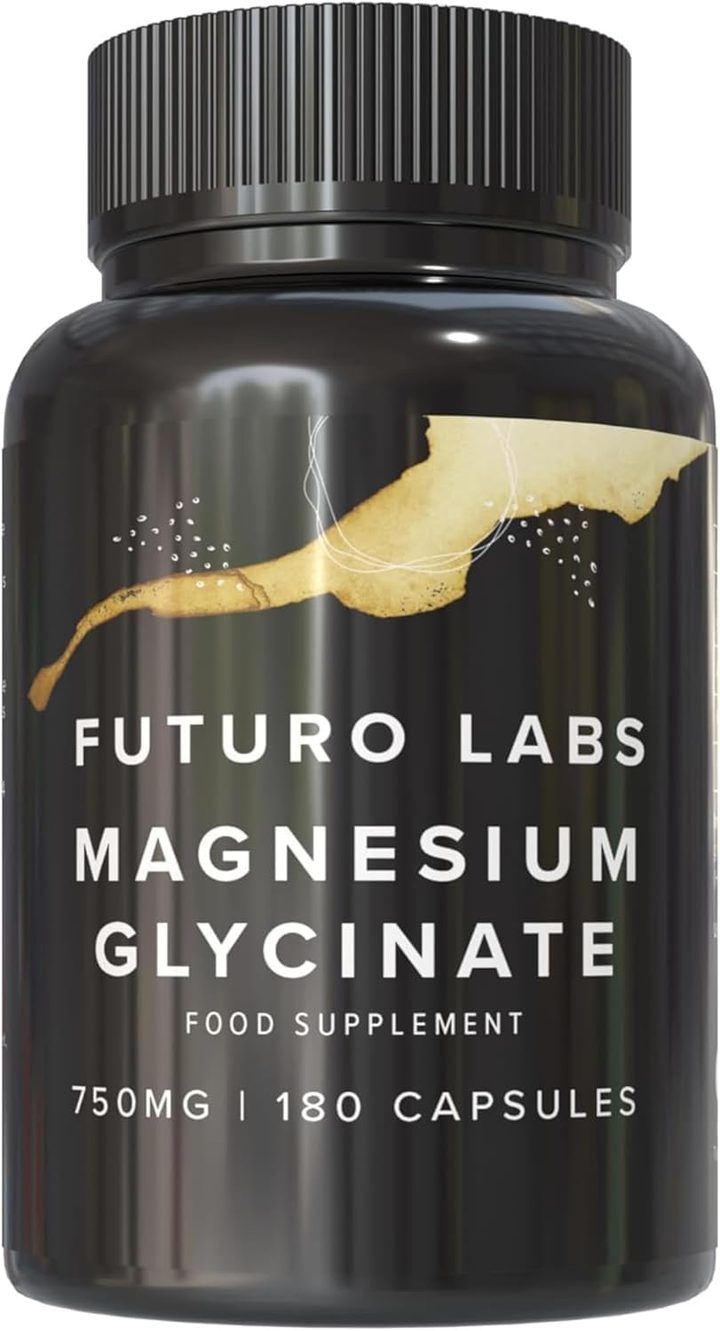
Our brand: the worked example on this page
Futuro Labs Magnesium Glycinate
- 22p a day
- 180 capsules, 2 capsules daily
- Lab tested
- Made in the UK
A fresh bottle with the date printed: Futuro Labs Magnesium Glycinate on Amazon UK, £19.99 for 180 capsules, a 90-day supply well inside any shelf life. Label breakdown. Storage that protects the date is on the storage page.
Best before, not use by: what the date legally means
UK food supplements carry a best before date, the quality promise category, not the use by date that marks genuine safety deadlines on perishable food. Best before is the manufacturer saying: stored as directed, this product meets its label declarations, the stated elemental magnesium among them, until this date. For a glycinate that promise typically runs two to three years from manufacture, printed on the bottle or pouch with the batch code. Selling past the date is not automatically illegal for best before goods, though reputable retailers do not, and the supplement rules require the date so the promise has an edge you can read.
What actually degrades, in order of fragility
Rank the bottle's contents by fragility and the mineral finishes last: magnesium bound to glycine is a stable salt with no realistic route to becoming less magnesium, which is why mineral supplements age far more gracefully than fish oils, probiotics or vitamin C. What goes first is the packaging and presentation layer: HPMC capsules slowly take on moisture, turning brittle or soft and occasionally sticking together; powders can clump; and any coating or printing fades. Next comes the formal guarantee itself, since the manufacturer only validated stability to the printed date, so the 300mg declaration stops being underwritten even though the chemistry has probably not moved. Genuine spoilage, the kind that matters, needs moisture getting in: damp, swollen, discoloured or odd-smelling capsules are a bin decision on any date.
| Situation | Safe? | Worth taking? | What to do |
|---|---|---|---|
| Inside the best before, stored properly | Yes | Yes: the declaration is underwritten | Carry on |
| A few months past, capsules look and smell normal | Almost certainly | Probably fine; potency unguaranteed | Finish or replace on preference |
| Well past the date | Usually not dangerous | The promise is long expired | Replace; magnesium is 22p a day |
| Any date, capsules damp, stuck, discoloured or odd-smelling | Treat as no | No | Bin the bottle |
| Bought short-dated at discount | Yes | Yes, if you will finish it in time | Check the 90-day maths before buying |
The practical calendar, and the bottle this site uses
The realistic buyer never meets this problem, because the arithmetic protects them: a 180-capsule bottle at 2 a day is a 90-day supply, and any sensibly stocked retailer ships stock with most of its two-to-three-year window remaining, so the bottle is finished with years of promise to spare. The habits that keep it that way are the storage page's: cool, dry, dark, lid tight, desiccant kept. The worked example prints its date and batch like everything else it prints: Futuro Labs Magnesium Glycinate, best before and batch code on the pack, 300mg elemental at 80% NRV per 2 capsules, vegan, UK made under GMP and BRC, panels shown, £19.99 for 180 at 22p a day. Does magnesium glycinate expire: the promise does, gently, years out; the mineral barely; and the bottle is 90 days of a promise measured in years.
What to check on the label
- Best before, not use by: a quality promise with a printed edge.
- The mineral is stable: capsules and clumping age first, chemistry barely.
- Past the date: rarely unsafe, no longer underwritten: replace cheaply.
- Damp, stuck, discoloured or odd-smelling: bin on any date.
- The 90-day bottle maths means a normal buyer never meets the date.
Our brand
The worked example: Futuro Labs Magnesium Glycinate
Futuro Labs Magnesium Glycinate prints its best before and batch on the pack: a 90-day bottle inside a multi-year promise, 300mg elemental at 80% NRV per 2 capsules, 22p a day from £19.99. Vegan, UK made, panels shown.
- Elemental magnesium per serving
- 300mg (80% NRV)
- Form
- magnesium bisglycinate 20%
- Serving
- 2 capsules a day
- Bottle
- 180 capsules, 90 days
- Price
- £19.99 (22p a day)
- Capsule
- vegetarian shell, vegan product
Questions people also ask
Can I take magnesium glycinate after the expiry date?
It carries a best before, not a use by: a little past it, normal-looking capsules are almost certainly harmless, just no longer guaranteed at the declared dose.
How long does magnesium glycinate last?
Typically two to three years from manufacture, printed on the pack, and comfortably longer than the 90 days a 180 bottle takes to finish.
Does magnesium lose potency over time?
The mineral salt is highly stable; the realistic decline is the capsule shell and the formal guarantee, not the magnesium itself.
How do I know if magnesium capsules have gone off?
Moisture is the tell: damp, swollen, stuck-together, discoloured or odd-smelling capsules mean bin the bottle whatever the date.
Should I buy short-dated magnesium at a discount?
If the remaining window covers your 90 days at 2 a day, it is a fine deal; if not, the saving buys capsules you will not finish.
Sources
- Futuro Labs Magnesium Glycinate listing, Amazon UK, label and price checked 31 August 2026. https://www.amazon.co.uk/dp/B0BT7Z5VQW
- The Food Supplements (England) Regulations 2003 (food supplements are regulated as foods in the UK). https://www.legislation.gov.uk/uksi/2003/1387/contents/made
- Retained Regulation (EU) No 1169/2011, Annex XIII: nutrient reference value for magnesium 375mg. https://www.legislation.gov.uk/eur/2011/1169/annex/XIII
- Expert Group on Vitamins and Minerals. Safe Upper Levels for Vitamins and Minerals. Food Standards Agency, 2003 (magnesium guidance level 400mg a day from supplements). https://cot.food.gov.uk/sites/default/files/vitmin2003.pdf
- EFSA Panel on Dietetic Products, Nutrition and Allergies. Scientific Opinion on the substantiation of health claims related to magnesium. EFSA Journal 2010;8(10):1807. https://efsa.onlinelibrary.wiley.com/doi/10.2903/j.efsa.2010.1807