Ghost Fitness/Magnesium/How should magnesium capsules be stored?
How should magnesium capsules be stored?
The short answer
Store magnesium capsules cool, dry and dark: a kitchen cupboard away from the oven, lid tight, desiccant kept in the bottle. Not the bathroom, where steam ruins capsules, and not the fridge, where condensation does. Keep out of children's reach.
- Cool, dry, darkthe three words the whole page unpacks
- 2 wrong roomsthe bathroom and the fridge, for opposite-sounding reasons
- The desiccantthe free moisture guard people throw away
- 90 dayshow long a bottle lives under these rules
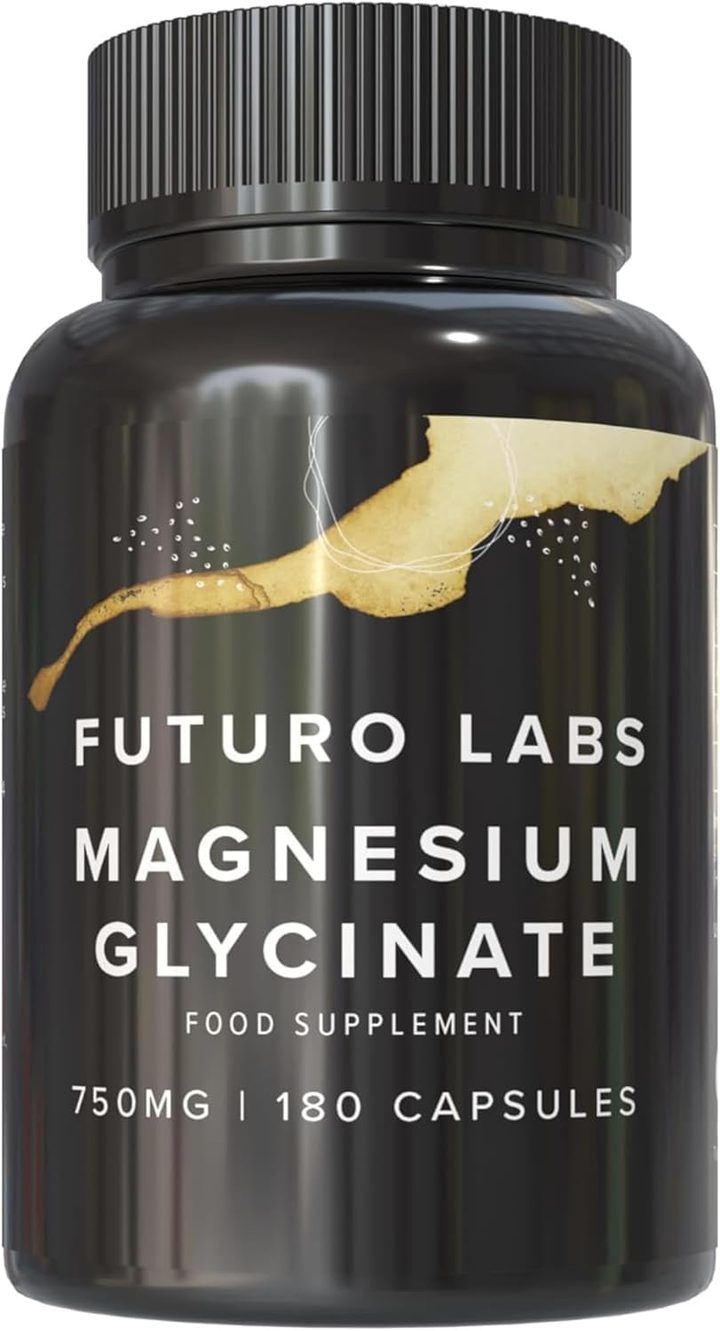
Our brand: the worked example on this page
Futuro Labs Magnesium Glycinate
- 22p a day
- 180 capsules, 2 capsules daily
- Lab tested
- Made in the UK
The bottle these rules protect: Futuro Labs Magnesium Glycinate on Amazon UK, 180 capsules for £19.99. Label breakdown. What the date on it means is on the does glycinate expire page.
The enemy is moisture, and everything follows from that
Magnesium bisglycinate is a stable salt; the vulnerable parts of the product are the HPMC capsule shells and the powder's dryness, and both have one enemy, humidity. Cellulose capsules slowly exchange moisture with the air around them: too damp and they soften, stick and let the powder clump; repeatedly cycled between damp and dry and they turn brittle. So the storage brief writes itself as moisture control with two supporting clauses: cool, because heat accelerates every slow process and swings drive condensation, and dark, because it costs nothing and spares the label and any light-sensitive excipients. A kitchen or bedroom cupboard, away from the oven, kettle and radiator, at ordinary room temperature, is the entire specification.
The two wrong rooms, and why the fridge fools people
The bathroom fails obviously: every shower is a steam event, cabinet or not, and a supplement bottle opened daily in that cycle inhales humidity for months, which is why the classic medicine-cabinet habit is precisely wrong for capsules. The fridge fails sneakily, because cold sounds like preservation: a chilled bottle brought into a warm kitchen and opened grows condensation on its inner walls and on the capsules themselves, delivering the moisture you were trying to avoid, twice a day. Minerals gain nothing from refrigeration that would offset it. The bottle's own defences finish the job when you let them: the lid closed properly after each serving rather than resting on top, and the desiccant sachet, the free moisture guard half of buyers bin on day one, left in the bottle until the last capsule.
| Situation | Verdict | Why |
|---|---|---|
| Kitchen cupboard away from oven and kettle | The default yes | Cool, dry, dark, and beside the evening-meal habit |
| Bedroom drawer or cupboard | Yes | Same conditions; suits a bedtime routine |
| Bathroom cabinet | No | Twice-daily steam events; the classic mistake |
| Fridge | No | Condensation on every warm opening; nothing gained |
| Windowsill or car | No | Heat swings and light; the car adds summer extremes |
| Weekly pill organiser | Fine for a week | Shells cope with days outside the bottle; refill weekly, keep it dry |
| Original bottle, lid tight, desiccant in | The gold standard | The packaging was designed as the storage solution |
Children, travel, and the routine that stores itself
Two clauses complete the brief. Keep out of reach of children is a storage instruction as much as a label formality: a high or latched cupboard, not a bedside table, because capsules look like sweets and a curious toddler's dose maths is nobody's friend, and any suspected ingestion is a call to 111. For travel, days to a couple of weeks in a small labelled pot or organiser is fine, kept in luggage away from heat; for longer trips take the bottle, desiccant and all, and in checked-bag summer heat prefer the cabin bag. Then let the routine do the storing: the worked example, Futuro Labs Magnesium Glycinate, lives in the cupboard next to the evening-meal habit that takes it, 2 capsules, lid tight, done, 300mg elemental at 80% NRV, vegan, UK made, panels shown, £19.99 for 180 at 22p a day. How should magnesium capsules be stored: cool, dry, dark, lid tight, desiccant in, children out, and next to the meal so you never have to remember.
What to check on the label
- Cool, dry, dark cupboard: away from oven, kettle, radiator and windowsill.
- Lid fully closed, desiccant kept until the last capsule.
- Never the bathroom (steam) and never the fridge (condensation).
- High or latched, out of children's reach; suspected ingestion is a 111 call.
- Travel: organiser for short trips, bottle for long ones, cabin bag in heat.
Our brand
The worked example: Futuro Labs Magnesium Glycinate
Futuro Labs Magnesium Glycinate is designed to be its own storage solution: a sealed bottle with desiccant, best before printed, living in the cupboard beside the evening meal that takes it. 300mg elemental per 2 capsules, 22p a day from £19.99 for 180.
- Elemental magnesium per serving
- 300mg (80% NRV)
- Form
- magnesium bisglycinate 20%
- Serving
- 2 capsules a day
- Bottle
- 180 capsules, 90 days
- Price
- £19.99 (22p a day)
- Capsule
- vegetarian shell, vegan product
Questions people also ask
Should magnesium capsules be kept in the fridge?
No: every warm opening condenses moisture onto the capsules, the exact damage you are avoiding. A room-temperature cupboard is correct.
Can I store magnesium in the bathroom cabinet?
No: daily shower steam is the classic capsule-ruiner. Kitchen or bedroom cupboard instead.
Should I keep the little silica packet in the bottle?
Yes, until the last capsule: it is the free moisture guard the packaging was designed around.
Can I put a week of capsules in a pill organiser?
Yes: shells cope fine with a week outside the bottle. Refill weekly and keep the organiser dry.
How should I carry magnesium when travelling?
Short trips: a labelled pot or organiser in your luggage away from heat. Long trips: the original bottle, in the cabin bag during summer.
Sources
- Futuro Labs Magnesium Glycinate listing, Amazon UK, label and price checked 31 August 2026. https://www.amazon.co.uk/dp/B0BT7Z5VQW
- The Food Supplements (England) Regulations 2003 (food supplements are regulated as foods in the UK). https://www.legislation.gov.uk/uksi/2003/1387/contents/made
- Retained Regulation (EU) No 1169/2011, Annex XIII: nutrient reference value for magnesium 375mg. https://www.legislation.gov.uk/eur/2011/1169/annex/XIII
- Expert Group on Vitamins and Minerals. Safe Upper Levels for Vitamins and Minerals. Food Standards Agency, 2003 (magnesium guidance level 400mg a day from supplements). https://cot.food.gov.uk/sites/default/files/vitmin2003.pdf
- EFSA Panel on Dietetic Products, Nutrition and Allergies. Scientific Opinion on the substantiation of health claims related to magnesium. EFSA Journal 2010;8(10):1807. https://efsa.onlinelibrary.wiley.com/doi/10.2903/j.efsa.2010.1807