Ghost Fitness/Lion's mane/What does dual extract lion's mane mean?
What does dual extract lion's mane mean?
The short answer
Two solvents for two compound families: hot water pulls the beta-glucans, alcohol pulls the lipophilic hericenones and erinacines. It matters most where the alcohol-soluble compounds are the point; state the ratios or it's a word.
- Solvent onehot water: the beta-glucans and polysaccharides
- Solvent twoalcohol: the lipophilic hericenones, erinacines, and reishi's triterpenes
- When it matterswhen the alcohol-soluble compounds are what the buyer is after
- The label ruleratios and solvents stated, or dual is just a word
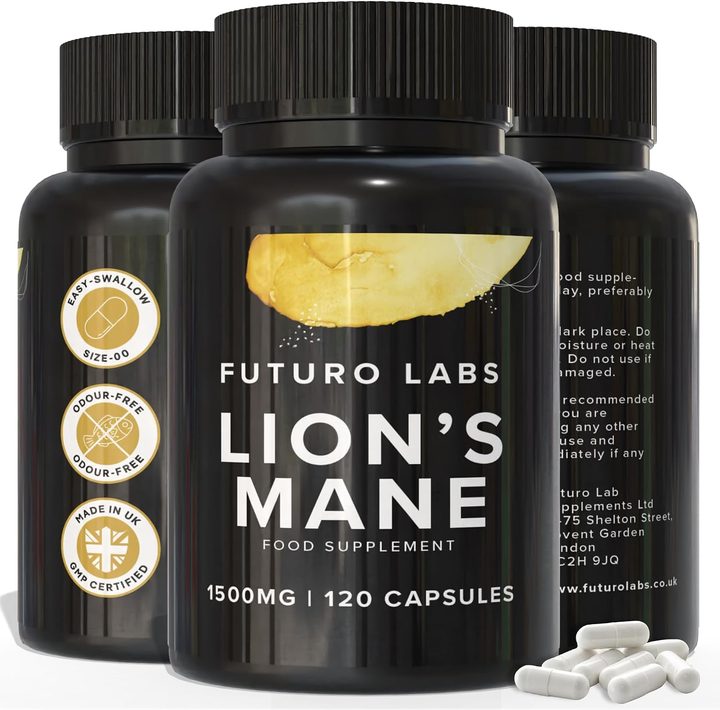
Our brand: the worked example on this page
Futuro Labs Lion's Mane
- 13p a day
- 120 capsules, 1 capsule daily
- Lab tested
- Made in the UK
A stated single hot-water extract, honestly labelled: Futuro Labs Lion's Mane on Amazon UK, 5:1 fruiting body extract, 1500mg equivalent, £15.49 for 120 days at 13p, stated beats implied. Full label breakdown. The compound families are on the compounds page; the extraction walkthrough on the extract page.
The solubility split taught properly, because dual extraction is chemistry before it is a selling word
Dual extract means the mushroom was extracted twice, with two different solvents, and the reason two solvents exist is that a mushroom's compounds split by what dissolves them. The first family is water-soluble: the beta-glucans and related polysaccharides that make up the fungal cell wall and that hot water dissolves out once the chitin is broken, the compounds a standard hot-water extract concentrates, the ones labs measure as the fungal marker, and the bulk of what a single-extraction 5:1 or 10:1 contains. The second family is alcohol-soluble, or lipophilic: smaller molecules that water largely leaves behind, in lion's mane the hericenones of the fruiting body and the erinacines of the mycelium, the compounds the nerve-growth-factor bench literature studies, and in reishi the triterpenes, the bitter ganoderic acids that species is prized for, all of which an alcohol extraction, ethanol typically, pulls out where water cannot. A dual extraction runs both: the material extracted in hot water for the polysaccharides and in alcohol for the lipophilics, in either order, the two extracts then combined and dried, the product claiming to carry both families rather than one, the chemistry being sound and the claim being checkable only when the label says what was done.
When the second solvent matters and when it does not, the label rule, and the phrase kept honest
When dual extraction matters depends entirely on which family the buyer is after. For reishi it matters most: the triterpenes are the point of the species and are alcohol-soluble, so a water-only reishi extract has left the prized compounds behind, and dual extraction is close to essential for an honest reishi product. For lion's mane it matters conditionally: the water-soluble beta-glucans are the bulk and the marker, present in a single hot-water extract, while the hericenones and erinacines, the bench-famous lipophilics, need the alcohol stage, so a buyer specifically interested in those compounds has a reason to prefer dual extraction, and a buyer content with the polysaccharide product has none, the whole preference carrying the standing frame that the lipophilic compounds' evidence is cell-culture and animal work with no human trial for either family, making the second solvent a bench-curiosity preference rather than an evidence-based one. The label rule keeps the phrase honest and it is the section's oldest rule in new clothes: dual extract must state its ratios, ideally for each solvent stage or at least for the combined extract, and ideally the solvents used, water and ethanol, because a bare dual extract claim with no ratio and no solvent named is a word, and a stated single hot-water extraction with its ratio and glucans printed beats an unstated dual extraction every time, stated beating implied across this entire site. The phrase kept honest reads: dual extract means water plus alcohol for polysaccharides plus lipophilics, useful where the lipophilics are wanted, near-essential for reishi, optional for lion's mane, and meaningless on any label that will not say what it extracted, in what, at what ratio, the worked example demonstrating the honest single alternative, a stated 5:1 hot-water fruiting body extract that says exactly what it is and claims nothing it did not do.
| The item | The finding | The consequence |
|---|---|---|
| Hot water | Dissolves beta-glucans and polysaccharides | The standard extract; the fungal marker |
| Alcohol | Dissolves lipophilics: hericenones, erinacines, triterpenes | The second family water leaves behind |
| Dual extraction | Both stages, combined and dried | Both families, if the label says so |
| For reishi | Triterpenes are the point and alcohol-soluble | Near-essential for an honest product |
| For lion's mane | Lipophilics are bench-famous, not evidenced in people | A curiosity preference, not a requirement |
| The label rule | Ratios and solvents stated | Stated single beats unstated dual |
The verdict, two solvents kept honest by one rule
What dual extract lion's mane means: extraction in two solvents for two compound families, hot water for the beta-glucans and polysaccharides and alcohol for the lipophilic hericenones and erinacines, mattering most where the alcohol-soluble compounds are what the buyer wants, near-essential for reishi's triterpenes and a bench-curiosity preference for lion's mane, with the phrase kept honest by the label rule that ratios and solvents must be stated, since a stated single extraction beats an unstated dual one everywhere on this site. The honest single, worked: Futuro Labs Lion's Mane, 5:1 hot-water fruiting body extract, 1500mg mushroom equivalent per capsule, UK made, lab tested, £15.49 for 120 days at 13p a day, a label that says exactly what it extracted and in what, which is the whole meaning of the word.
What to check on the label
- Learn the solubility split: water for glucans, alcohol for lipophilics.
- Know when it matters: reishi near-essential, lion's mane optional.
- Frame the lipophilics: bench-famous, not evidenced in people.
- Demand ratios and solvents: or dual is just a word.
- Prefer stated single to unstated dual: stated beats implied.
Our brand
The worked example: Futuro Labs Lion's Mane
Futuro Labs Lion's Mane: 1 capsule daily of 5:1 fruiting body extract, labelled 1500mg mushroom equivalent (about 300mg extract), 120 capsules for £15.49, 120 days at 13p a day. Vegan HPMC shell, UK made under GMP and BRC, independently lab tested, caffeine free. Lion's mane holds no authorised UK health claims; this site describes its small studies as studies.
- Extract
- fruiting body, 5:1
- Per capsule
- 1500mg mushroom equivalent
- Serving
- 1 capsule a day
- Bottle
- 120 capsules, 120 days
- Price
- £15.49 (13p a day)
- Capsule
- HPMC vegan shell, size 00
Questions people also ask
What is dual extraction?
Extracting the mushroom in two solvents, hot water for the beta-glucans and polysaccharides and alcohol for the lipophilic compounds, then combining and drying both extracts so the product carries both families.
Do I need dual-extracted lion's mane?
Only if you want the lipophilic hericenones and erinacines, which water leaves behind: they are bench-famous with no human trials, so it is a curiosity preference, while the beta-glucans a single extract carries are the bulk and the marker.
Why does dual extraction matter more for reishi?
Reishi's prized triterpenes, the bitter ganoderic acids, are alcohol-soluble, so a water-only reishi extract has left the point of the species behind, making dual extraction close to essential there.
What should a dual extract label state?
The ratios, ideally per solvent stage or at least for the combined extract, and the solvents used, water and ethanol, because a bare dual extract claim with neither is a word rather than a specification.
Is a single extract worse than a dual one?
Not when stated: a single hot-water extract with its ratio and glucans printed beats an unstated dual extraction on this site's rules, stated beating implied every time.
Sources
- The hericium compound literature: erinacines are characterised from mycelium and hericenones from fruiting body, both studied for nerve growth factor activity in bench and animal models, with the human trials having used fruiting-body preparations. PubMed record
- The hericenone and NGF literature: lion's mane compounds stimulate nerve growth factor synthesis in cell-culture and animal models, bench findings that have not translated into human pain or nerve-repair trials. PubMed record
- The mushroom polysaccharide analysis literature: beta-glucan content marks fungal material while high alpha-glucan readings indicate grain starch, the analytical distinction between fruiting body extracts and mycelium-on-grain powders. PubMed record
- The medicinal mushroom labelling discussion: fruiting body versus mycelium-on-grain, extract ratios and beta-glucan content as the label facts that separate concentrated extracts from diluted powders. PubMed record