Ghost Fitness/Lion's mane/What should you look for in lion's mane mycelium extract?
What should you look for in lion's mane mycelium extract?
The short answer
One question decides it: what was the mycelium grown on? Grain-free or liquid-fermented, stated, with published glucans, is an honest mycelium extract. Undisclosed grain is milled substrate at extract prices.
- The deciding questionwhat was the mycelium grown on: grain or grain-free
- The honest answersgrain-free or liquid-fermented, stated explicitly
- The corroborationpublished beta-glucans against the alpha-glucan starch tell
- The tellsilence on substrate: milled grain at extract prices
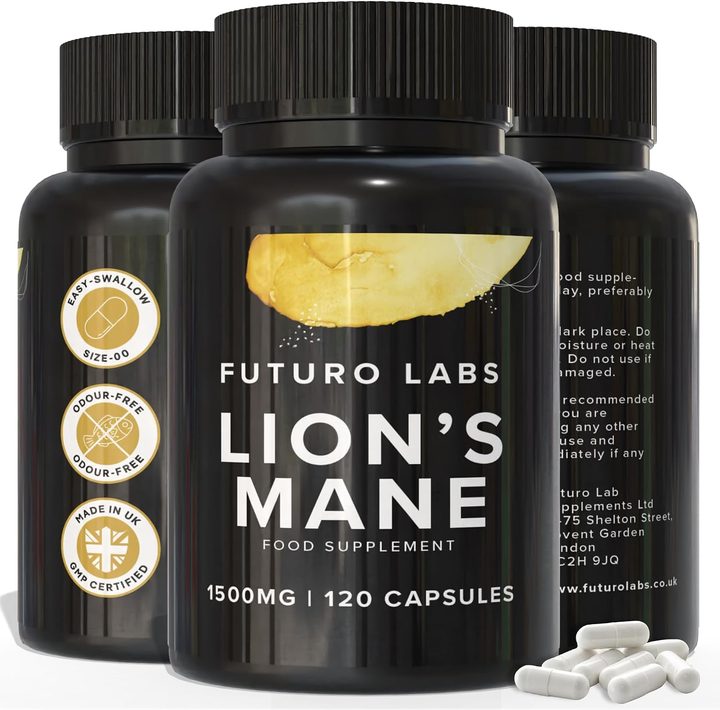
Our brand: the worked example on this page
Futuro Labs Lion's Mane
- 13p a day
- 120 capsules, 1 capsule daily
- Lab tested
- Made in the UK
The fruiting-body alternative, stated: Futuro Labs Lion's Mane on Amazon UK, stated 5:1 fruiting body extract, the tissue the human trials used, £15.49 for 120 days at 13p. Full label breakdown. The mycelium fair trial is on the mycelium page; the starch tell on the fruiting-body page.
The one question that decides a mycelium extract, because everything else follows from the substrate
For the buyer set on a mycelium extract, whether from the erinacine twist or curiosity, this page gives the focused inspection the format needs, and it begins with the single question that decides everything, because in mycelium products almost every other property follows from it: what was the mycelium grown on. Two answers separate an honest extract from a disappointing one. The honest answer, grain-free or liquid-fermented mycelium: biomass grown in liquid culture and harvested without solid substrate, or otherwise separated from its growing medium, so the extract is mycelium rather than mycelium-plus-grain, the construction that removes the format's central objection entirely and the answer an honest product states plainly on the label. The disappointing answer, undisclosed grain: mycelium grown on sterilised grain in bags, colonised, then dried and milled with the grain still present, a legitimate ingredient sold as mycelium extract while being substantially the substrate it grew through, the format's oldest problem, and one usually revealed by silence rather than statement, the label simply not saying what the mycelium was grown on and thereby answering the question with an omission. So the deciding move is to find the substrate answer, present and grain-free being the pass, absent being the fail, because a mycelium extract that will not say what it grew on is, on this section's standing rule, milled grain until proven otherwise.
The corroboration and the rest of the inspection, the extract word audited, and the verdict for the format
The corroboration that confirms the substrate answer is the starch tell, working harder here than anywhere: published beta-glucan content high against alpha-glucan content low confirms fungal material rather than grain, so a grain-free claim backed by glucan numbers is a corroborated honest extract, while a grain-free claim with no glucan figures is a statement awaiting proof and a premium mycelium price with neither is the mismatch the quality pages catch, the buyer's move being to prefer products that publish the assay their claim implies. The rest of the inspection adapts the standing tests: the species and stage stated, mycelium named honestly rather than blurred into mushroom; the extraction described, since extract implies processing, and a stated ratio where one is claimed, though mycelium ratios carry the same denominator discipline as any other, real per-serving milligrams behind any equivalent; testing shown with the bioaccumulator's metals panel, mycelium grown on substrate inheriting substrate contaminants; and the compound claim disciplined, erinacine content stated in milligrams if erinacines are the pitch, the rare disclosure the bench-famous molecules would justify, and no nerve vocabulary otherwise, the register granting mycelium nothing. The extract word itself is audited last, because it can mislead: extract should mean concentrated by real processing, not mycelised or dried biomass relabelled, so a mycelium extract with no ratio and no extraction described may be dried grain-and-web powder wearing the word, the two-powders trap in mycelium form. The verdict for the format: an honest lion's mane mycelium extract states grain-free or liquid-fermented cultivation, publishes glucans corroborating it, describes real extraction with verifiable milligrams, shows metals testing and an address, and disciplines any compound claim to stated figures, at which point it is a legitimate bench-curiosity bet on its numbers, while a mycelium extract silent on its substrate is the format's default disappointment, milled grain at extract prices, and the evidence-led alternative remains the tissue the human trials used, the worked example's stated fruiting-body extract at 13p.
| The check | The pass | The fail |
|---|---|---|
| The substrate question | Grain-free or liquid-fermented, stated | Silence: milled grain until proven otherwise |
| The corroboration | Beta-glucans high, alpha-glucans low, published | A grain-free claim with no glucan numbers |
| The extract word | Real extraction and ratio described | Dried biomass relabelled as extract |
| The dose | Real per-serving milligrams | An equivalent figure with no ratio |
| The testing | Metals panel shown for a bioaccumulator | No certificate behind the flash |
| The compound claim | Erinacine milligrams stated, or silence | Nerve vocabulary with no figure |
The verdict, decided by the substrate
What to look for in lion's mane mycelium extract: the substrate answer above all, grain-free or liquid-fermented cultivation stated being the pass and silence being the fail, milled grain at extract prices until proven otherwise, with published glucans corroborating the claim, real extraction and verifiable milligrams behind the extract word, metals testing for a bioaccumulator, and any compound claim disciplined to stated erinacine figures, an honest mycelium extract clearing all of it and earning a bench-curiosity bet on its numbers. The evidence-led alternative meanwhile: Futuro Labs Lion's Mane, stated 5:1 fruiting body extract, the tissue the human trials used, UK made, lab tested, £15.49 for 120 days at 13p a day, the tissue with the human file, while the mycelium extract stands or falls entirely on what it will admit it grew on.
What to check on the label
- Ask the substrate question first: grain or grain-free.
- Read silence as grain: no substrate stated, no purchase.
- Demand the glucan corroboration: fungal, not starch.
- Audit the extract word: real processing, not relabelled biomass.
- Discipline the compound claim: erinacine milligrams or silence.
Our brand
The worked example: Futuro Labs Lion's Mane
Futuro Labs Lion's Mane: 1 capsule daily of 5:1 fruiting body extract, labelled 1500mg mushroom equivalent (about 300mg extract), 120 capsules for £15.49, 120 days at 13p a day. Vegan HPMC shell, UK made under GMP and BRC, independently lab tested, caffeine free. Lion's mane holds no authorised UK health claims; this site describes its small studies as studies.
- Extract
- fruiting body, 5:1
- Per capsule
- 1500mg mushroom equivalent
- Serving
- 1 capsule a day
- Bottle
- 120 capsules, 120 days
- Price
- £15.49 (13p a day)
- Capsule
- HPMC vegan shell, size 00
Questions people also ask
What is the most important thing in a mycelium extract?
The substrate: grain-free or liquid-fermented cultivation stated explicitly, because almost every other property follows from what the mycelium grew on, and silence on it means milled grain until proven otherwise.
How do I know a mycelium extract isn't mostly grain?
Two checks: the label stating grain-free or liquid-fermented cultivation, and published beta-glucan numbers high against low alpha-glucans, the starch tell confirming fungal rather than grain material.
Does 'extract' guarantee real processing on a mycelium product?
No: extract can mask dried grain-and-web biomass relabelled, so demand a described extraction and a stated ratio with real per-serving milligrams, the two-powders trap in mycelium form.
Should a mycelium extract be tested for metals?
Yes, especially: mycelium grown on substrate inherits substrate contaminants, so a metals panel from a named lab is part of an honest mycelium extract's paperwork.
Is a mycelium extract ever worth it over fruiting body?
Only if it clears the inspection and you want the erinacine bet: an honest, grain-free, glucan-corroborated extract is a legitimate bench-curiosity choice, while the human-evidence tissue remains fruiting body.
Sources
- The hericium compound literature: erinacines are characterised from mycelium and hericenones from fruiting body, both studied for nerve growth factor activity in bench and animal models, with the human trials having used fruiting-body preparations. PubMed record
- The mushroom polysaccharide analysis literature: beta-glucan content marks fungal material while high alpha-glucan readings indicate grain starch, the analytical distinction between fruiting body extracts and mycelium-on-grain powders. PubMed record
- The mushroom bioaccumulation literature: fungi concentrate heavy metals including lead, cadmium and mercury from their growing substrate, making per-batch metals testing the central purity check for mushroom supplements. PubMed record
- The medicinal mushroom labelling discussion: fruiting body versus mycelium-on-grain, extract ratios and beta-glucan content as the label facts that separate concentrated extracts from diluted powders. PubMed record