Ghost Fitness/Guides/Are supplements tested for banned substances?
Are supplements tested for banned substances?
The short answer
Not by law: no UK rule requires it. By choice, some are, through programmes like Informed Sport that screen products or batches against the prohibited list. UK Anti-Doping's advice is assess the need, the risk and the consequences.
- By lawno: the food framework mandates no banned-substance testing
- By choiceyes on some products: certification programmes screening batches or products
- Wheresports nutrition mostly: protein, creatine, pre-workouts, electrolytes
- The adviceUK Anti-Doping: assess the need, assess the risk, assess the consequences
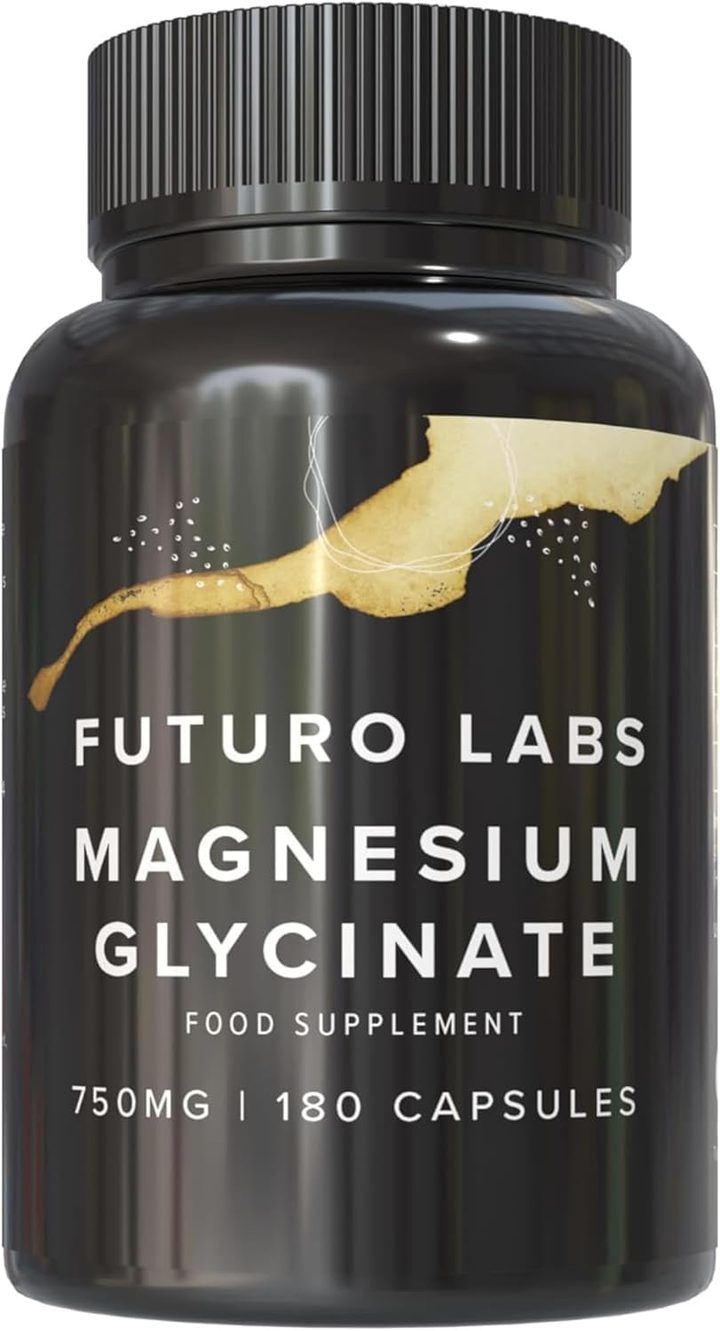
Our brand: the worked example on this page
Futuro Labs Magnesium Glycinate
- 22p a day
- 180 capsules, 2 capsules daily
- Lab tested
- Made in the UK
Not tested for banned substances, and stated as such: Futuro Labs Magnesium Glycinate on Amazon UK, batch tested for metals, UK GMP, no sports certification, £19.99 for 90 days at 22p. Full label breakdown. The programme anatomy is on the Informed Sport guide; the recreational lifter's answer on the recreational guide.
Not by law, by choice on some, and where the tested products live
Are supplements tested for banned substances has a two-part answer that the marketing blurs. By law, no: supplements are regulated as foods, and the food framework requires label particulars, safety, contaminant limits and lawful claims, and mandates no testing of any kind before sale, banned-substance screening included, so a supplement on a UK shelf has been tested for prohibited substances only if its brand chose to have it tested, the regulation guide's second gap in its most consequential form for an athlete. By choice, yes on some products: certification programmes, Informed Sport, Informed Choice, BSCG and NSF Certified for Sport, screen products or every batch against the anti-doping prohibited list by accredited laboratory analysis, audit the manufacturing site for cross-contamination, and publish their certifications on public databases, and a brand enrols a specific product because its customers compete under testing and would not buy without the logo. Where the tested products live is therefore where those customers shop: sports nutrition, protein powders, creatine, pre-workouts, electrolytes, gels and bars, from brands supplying teams and federations, with plain vitamins, minerals, botanicals and mushroom products thinly represented because their buyers are rarely tested and the programmes cost a brand per product and per batch, this site's own worked examples among the untested majority and stated as such on every page that touches the question.
Why untested is the default, the risk it leaves to the tested athlete, and the three-step advice
Untested is the default because the incentives run that way: testing costs a fixed fee per batch, most buyers never ask, the law does not require it, and the phrase third-party tested sells without a certificate behind it, so a brand outside the sports-nutrition market rarely pays for banned-substance screening its customers do not need. The risk that leaves to the tested athlete is real and documented: supplements have contained prohibited substances through cross-contamination in shared facilities and through deliberate undeclared addition, the protein, pre-workout and fat-burner categories being where the adulteration literature is thickest, and the strict-liability rule of the anti-doping code makes the athlete responsible for any prohibited substance in their sample regardless of intent, the label, the receipt and the brand's word being no defence. The three-step advice UK Anti-Doping gives athletes answers the question for that reader: assess the need, whether the supplement does anything a diet does not, since the safest supplement is the one not taken; assess the risk, choosing products screened by a batch-testing programme and matching the batch on the database, while recognising that no supplement can be guaranteed free of prohibited substances and that certification minimises rather than removes risk; and assess the consequences, a ban, a lost career, a reputation, against the benefit of a product that may do little, the calculation that makes an untested botanical or a random pre-workout an irrational purchase for a tested athlete and a certified creatine a rational one. For the untested lifter the same two-part answer produces a different conclusion: supplements are not tested for banned substances by law, some are by choice, and the untested majority are exactly as safe for a lifter nobody tests as their label, their metals certificate and their seller make them, which is the recreational guide's whole point and the worked example's position, batch tested for metals, UK GMP manufactured, not screened for the prohibited list, and honest about which reader it serves.
| The item | The finding | The consequence |
|---|---|---|
| By law | No UK rule requires any pre-sale testing | A supplement is screened only if its brand chose |
| By choice | Certification programmes screen products or batches | The logo and the database say which |
| Where | Sports nutrition from brands supplying tested athletes | Vitamins, minerals and botanicals thinly covered |
| Why untested is the default | Cost per batch; no demand; no mandate; the phrase sells anyway | Most products outside sports nutrition are unscreened |
| The athlete's rule | Assess the need, the risk and the consequences | Certified and batch-matched, or not taken |
| The untested lifter | No doping risk to insure | The label, the metals certificate and the seller |
The verdict, screened by choice and chosen by consequence
Are supplements tested for banned substances: not by law, the food framework mandating no pre-sale testing of any kind, and by choice on some products, certification programmes screening batches or products against the prohibited list and listing them on public databases, mostly in sports nutrition where tested athletes shop, with untested being the default elsewhere for reasons of cost, demand and the absence of a mandate, and the UK anti-doping body's three-step advice, assess the need, the risk and the consequences, being the tested athlete's rule and the untested lifter facing no such risk. Not screened, and stated so: Futuro Labs Magnesium Glycinate, batch tested for metals, UK GMP, no sports certification, £19.99 for 90 days at 22p a day, for the lifter whose label and certificate are the whole question.
What to check on the label
- Know the law mandates nothing: screening is a brand's choice.
- Find the choice on the database: programmes, products, batches.
- Expect it in sports nutrition: thinly elsewhere.
- Apply the three steps if you are tested: need, risk, consequences.
- Skip the premium if you are not: label, metals certificate, seller.
Our brand
The worked example: Futuro Labs Magnesium Glycinate
Futuro Labs Magnesium Glycinate is the worked example for the buying guides because its label is the kind these guides teach you to demand: 1500mg magnesium bisglycinate at 20%, 300mg elemental, 80% NRV, 2 capsules a day, 180 capsules for £19.99, 22p a day, UK made, vegan, batch tested for lead, mercury, arsenic and cadmium, address printed, no proprietary blend, and the same four authorised claims any honest magnesium may carry.
- Elemental magnesium per serving
- 300mg (80% NRV)
- Form
- magnesium bisglycinate 20%
- Serving
- 2 capsules a day
- Bottle
- 180 capsules, 90 days
- Price
- £19.99 (22p a day)
- Capsule
- vegetarian shell, vegan product
Questions people also ask
Is it a legal requirement to test supplements for banned substances in the UK?
No: supplements are foods, and the food framework mandates no pre-sale testing of any kind, so a product has been screened for prohibited substances only if its brand chose to enrol it in a certification programme.
Which supplements are tested for banned substances?
The ones on the certification programmes' databases, mostly sports-nutrition products, protein, creatine, pre-workouts, electrolytes, gels and bars, from brands whose customers compete under testing.
Can a certified supplement still contain a banned substance?
Certification minimises rather than removes the risk: every-batch screening by an accredited laboratory and a site audit catch what can be caught, and UK Anti-Doping's guidance is that no supplement can be guaranteed free, which is why the need is assessed first.
What is UK Anti-Doping's advice on supplements?
Three steps: assess the need, whether the supplement does anything a diet does not; assess the risk, choosing batch-tested products and matching the batch; and assess the consequences, a ban and a career against the benefit.
Do I need banned-substance tested supplements if I'm not an athlete?
No: without an anti-doping test there is no doping risk to insure, and an untested product is as safe for a lifter nobody tests as its label, its metals certificate and its seller make it.
Sources
- The drug-tested amateur federations: several UK strength-sport federations conduct anti-doping testing at amateur meets under strict-liability rules, so a recreational lifter who enters one is a tested athlete for that purpose. https://www.ukad.org.uk/athletes/supplements
- The World Anti-Doping Code and the strict liability principle: athletes are responsible for any prohibited substance found in their sample regardless of intent, with contaminated supplements a documented source of positive tests. https://www.wada-ama.org/en/prohibited-list
- The sports supplement certification programmes: Informed Sport, Informed Choice, BSCG and NSF Certified for Sport test products or batches for banned substances, the assurance competing athletes rely on. https://sport.wetestyoutrust.com/
- The protein powder adulteration literature: amino spiking, adding cheap free amino acids to inflate measured protein content, and undeclared ingredients are documented adulteration patterns in the protein and pre-workout categories. PubMed record