Ghost Fitness/Guides/What are the best made supplements?
What are the best made supplements?
The short answer
Best made means the facility, and most brands don't own one: look for GMP, BRC or ISO 22000 named on the label, the responsible business's address, and batch coding. Contract manufacturing is normal; unnamed manufacturing is the tell.
- Who makes supplementscontract manufacturers, for most brands: normal, not a red flag
- GMPGood Manufacturing Practice: documented, controlled production
- BRC and ISO 22000audited food-safety management standards a facility holds
- The tellsstandards named, batch coded, address printed; silence on all three is the tell
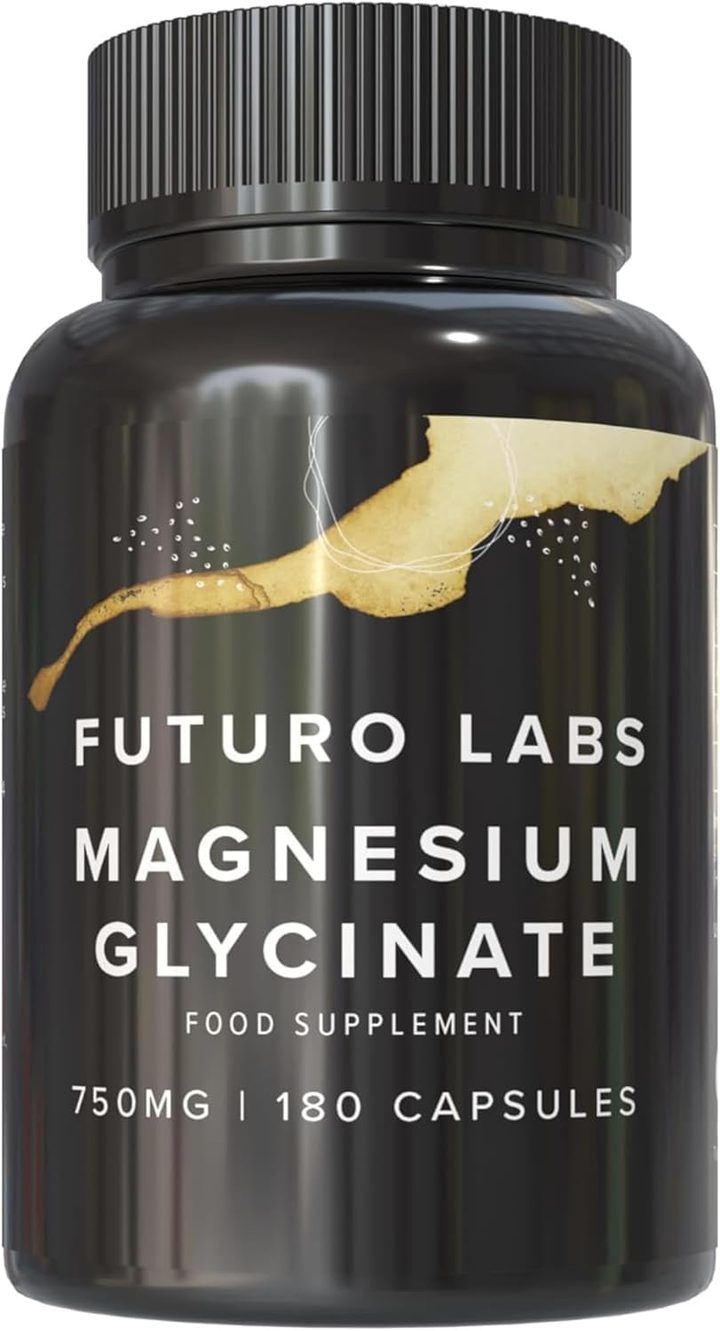
Our brand: the worked example on this page
Futuro Labs Magnesium Glycinate
- 22p a day
- 180 capsules, 2 capsules daily
- Lab tested
- Made in the UK
Made in a certified facility and stated as such: Futuro Labs Magnesium Glycinate on Amazon UK, UK made under GMP, batch coded, address printed, £19.99 for 90 days at 22p. Full label breakdown. The testing tiers are on the tested brands guide; the UK-made distinction on the grown-in-the-UK page.
Who actually makes supplements, because best made is a facility question and most brands are not facilities
Best made is a question about a facility, and the fact most buyers do not know is that most supplement brands do not own one: the typical brand is a marketing, sourcing and quality company that specifies a product, buys ingredients or has them bought, and contracts a specialist manufacturer to blend, encapsulate, bottle and label it, the contract manufacturer running the facility, holding the certifications and doing the production under the brand's specification, so that a single UK contract manufacturer may make products for dozens of brands and a brand's made in the UK under GMP is, correctly and honestly, a statement about its manufacturer's site. Contract manufacturing is normal, is how most of the aisle is made, and is not a red flag, the alternative, a brand owning its own certified facility, being rare and expensive and no guarantee of anything a buyer can see; what matters is not whether a brand makes its own product but whether the facility that makes it is certified, whether the brand says so, and whether the batch on the tub can be traced back to a run, which turns best made from a factory tour into three things read off a label. The best made supplements, in the only sense a buyer can assess, are therefore the ones whose labels name the manufacturing standard the facility holds, carry a batch code that traces the production run, and print the responsible business's address so that someone answers for both, with the brand-versus-manufacturer distinction understood rather than resented.
The standards glossary, what each certification actually attests, and the label read for who made it
The standards on a label are a glossary worth knowing, because they attest different things. GMP, Good Manufacturing Practice: the baseline system of documented, controlled production, ingredient traceability, cleaning and hygiene, trained staff, batch records and quality release, the standard any legitimate facility runs and the phrase a label uses to say so, with the caveat that GMP is a practice rather than a single certificate and that made under GMP is a claim to check against the facility's actual certifications where a brand names them. BRC, now BRCGS, the Global Standard for Food Safety: an audited, certificated food-safety management standard that many UK supplement manufacturers hold because supplements are foods, awarded after third-party audit of the facility's hazard analysis, traceability, hygiene and management systems, a genuine external attestation that a brand can cite only if its manufacturer holds it, and the strongest facility-level signal on a UK label. ISO 22000: the international food-safety management standard, comparable in scope and likewise audited, held by some facilities instead of or alongside BRCGS. Informed Sport and its peers: not manufacturing standards but banned-substance programmes that also audit the manufacturer, covered on their own page. Read the label for who made it: the standards named, GMP and BRCGS or ISO 22000, tell you the facility is certified; the batch code tells you the run is traceable; and the address tells you who answers, whether that is the brand or the manufacturer or both, with silence on all three being the tell, a tub that names no standard, prints no batch and gives no address having been made somewhere by someone who would rather you did not ask. The worked example reads accordingly: UK made under GMP, batch coded, address printed, a certified contract facility stated as such, which is what best made looks like when the buyer reads it off the tub rather than off a brochure.
| The term | What it attests | What to look for |
|---|---|---|
| Contract manufacturer | The facility that actually makes most brands' products | Normal; what matters is its certification |
| GMP | Documented, controlled production and quality release | Named on the label; a practice, checked against certificates |
| BRCGS Food Safety | Audited, certificated food-safety management | The strongest UK facility signal a brand can cite |
| ISO 22000 | The international food-safety management standard | Held instead of or alongside BRCGS |
| Batch code | The production run, traceable | Printed on every tub |
| The address | Who answers for the product | The responsible business, printed as the law requires |
The verdict, made where the label says and traceable to a run
What are the best made supplements: the ones made in a certified facility that the label names, most brands contracting a specialist manufacturer and that being normal, with GMP as the baseline practice, BRCGS or ISO 22000 as the audited food-safety certifications that attest the facility externally, a batch code that traces every tub to a production run, and a responsible business's address that answers for it, silence on all three being the tell. The worked example, read off the tub: Futuro Labs Magnesium Glycinate, UK made under GMP, batch coded, UK address printed, 300mg elemental at 80% NRV, £19.99 for 90 days at 22p a day, made in a facility the label is willing to describe.
What to check on the label
- Accept contract manufacturing: normal, and not the question.
- Read the standards named: GMP, BRCGS, ISO 22000.
- Find the batch code: the run, traceable.
- Find the address: who answers, printed.
- Treat silence as the tell: no standard, no batch, no address.
Our brand
The worked example: Futuro Labs Magnesium Glycinate
Futuro Labs Magnesium Glycinate is the worked example for the buying guides because its label is the kind these guides teach you to demand: 1500mg magnesium bisglycinate at 20%, 300mg elemental, 80% NRV, 2 capsules a day, 180 capsules for £19.99, 22p a day, UK made, vegan, batch tested for lead, mercury, arsenic and cadmium, address printed, no proprietary blend, and the same four authorised claims any honest magnesium may carry.
- Elemental magnesium per serving
- 300mg (80% NRV)
- Form
- magnesium bisglycinate 20%
- Serving
- 2 capsules a day
- Bottle
- 180 capsules, 90 days
- Price
- £19.99 (22p a day)
- Capsule
- vegetarian shell, vegan product
Questions people also ask
Do supplement brands make their own products?
Mostly not: the typical brand specifies and sources while a contract manufacturer blends, encapsulates, bottles and labels in its own certified facility, which is normal and not a red flag.
What does GMP mean on a supplement label?
Good Manufacturing Practice: documented, controlled production with traceability, hygiene, batch records and quality release, the baseline any legitimate facility runs, stated as a practice and checked against named certifications where a brand gives them.
What is BRC certification on a supplement?
The BRCGS Global Standard for Food Safety: an audited, certificated food-safety management standard held by many UK supplement manufacturers, the strongest facility-level signal a UK label can carry.
How do I know who actually made my supplement?
Read the label for the standards named, the batch code and the responsible business's address, which together tell you the facility is certified, the run is traceable and someone answers, whether the brand, the manufacturer or both.
What is the sign of a badly made supplement?
Silence: a tub that names no manufacturing standard, prints no batch code and gives no address was made somewhere by someone who would rather you did not ask.
Sources
- The supplement manufacturing standards: Good Manufacturing Practice, the BRCGS Global Standard for Food Safety and ISO 22000 are the facility-level certifications a contract manufacturer holds and a brand may cite. https://www.brcgs.com/our-standards/food-safety/
- The Food Supplements (England) Regulations 2003. https://www.legislation.gov.uk/uksi/2003/1387/contents/made
- The sports supplement certification programmes: Informed Sport, Informed Choice, BSCG and NSF Certified for Sport test products or batches for banned substances, the assurance competing athletes rely on. https://sport.wetestyoutrust.com/
- The GB claims register, magnesium entries: magnesium contributes to a reduction of tiredness and fatigue, normal psychological function, normal nervous system function, normal muscle function and electrolyte balance, among others. https://www.gov.uk/government/publications/great-britain-nutrition-and-health-claims-nhc-register