Ghost Fitness/Guides/Are NOW supplements on Amazon legit?
Are NOW supplements on Amazon legit?
The short answer
Legitimacy is a listing question, not a brand question: an official UK storefront or brand-sold listing with a UK-compliant label passes; a third-party importer selling US-labelled stock with no UK address is the grey-import tell.
- The reframethe brand is not the question; the listing in front of you is
- The passan official UK storefront or brand-sold listing with a UK-compliant label
- The grey-import tella third-party importer, a US-format label, no UK address, short dates
- The custody checkwho imported it, under what label, and who answers for it
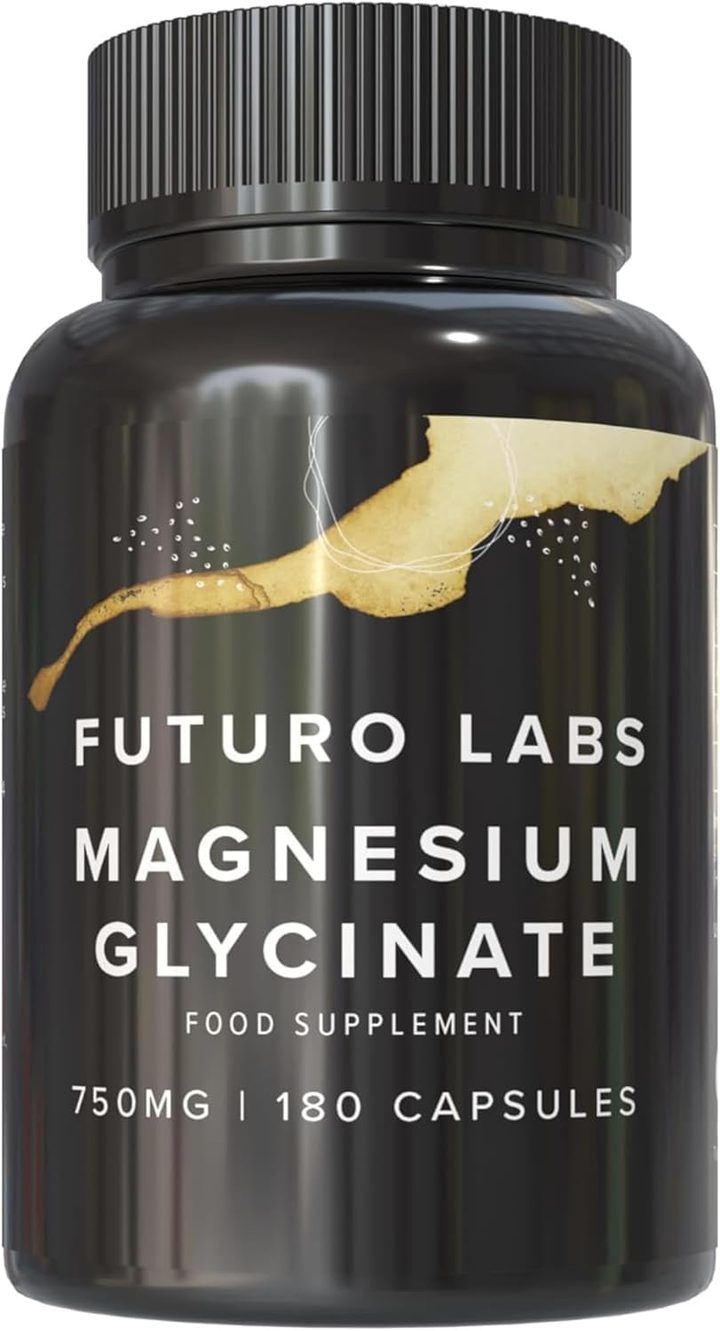
Our brand: the worked example on this page
Futuro Labs Magnesium Glycinate
- 22p a day
- 180 capsules, 2 capsules daily
- Lab tested
- Made in the UK
A UK brand on its own listing, for the comparison: Futuro Labs Magnesium Glycinate on Amazon UK, sold by the brand, UK-compliant label with a UK address, batch and date marked, £19.99 for 90 days at 22p. Full label breakdown. The Amazon hygiene is on the Amazon guide; the fake-spotting checklist on the fake-spotting guide.
Why the question belongs to the listing and not the brand, and what a large international brand's UK listings actually look like
Whether a large international supplement brand's products are legit on Amazon UK is a question that belongs to the listing rather than the brand, because a well-known manufacturer with its own facilities and testing can be sold on a UK marketplace through several different routes, and the routes differ in everything a buyer cares about while the brand name stays the same. This guide does not assess the brand, whose products and testing it has not audited, and it does not need to, because the honest method works on any listing carrying any name. The routes, in the order a buyer prefers them. The brand's official UK storefront, or an official UK distributor's, selling stock labelled for the UK market: the pass, custody clean, the label compliant, a UK business answering for it. A UK retailer's authorised stock, sold on its own storefront with UK labels: also a pass, the retailer standing behind it. And the grey-import route: a third-party seller, often a small importer, buying stock in the brand's home market, typically the United States for the brands this query means, shipping it in bulk and listing it on Amazon UK under the brand's name, sometimes with the brand's own product images, the products genuine as manufactured and the custody, labelling and dating anything but, which is the route the legitimacy question is really about and the one the audit below catches.
The grey-import audit in four checks, and the listing answered
Check one, the seller line: sold by the brand, its named UK distributor or a recognisable UK retailer passes, while an unfamiliar third-party seller with a generic storefront name and a catalogue of imported brands is the grey-import profile, the storefront click revealing whether a business with an address and a history is behind it or a name with nothing. Check two, the label format, the decisive tell: a product placed lawfully on the UK market must carry the Food Supplements Regulations' particulars, the words food supplement, a daily portion, the do-not-exceed, varied-diet and children warnings, ingredients, allergens, a batch, a best-before and the name and address of a responsible business in the UK, and a grey import typically carries the home-market label instead, a US-format Supplement Facts panel with %DV rather than %NRV, international units rather than micrograms for vitamin D, no UK address and no UK responsible business, a label that is genuine to the brand and non-compliant in the UK, the buyer's recourse resting on nobody. Check three, the dates: grey stock is often bought as short-dated clearance, so a best-before months away on a product the brand sells with years is the importer's economics showing, and an unmarked or relabelled date is worse. Check four, the price: grey imports undercut official UK stock, since they skipped the distributor, the compliant relabelling and the UK responsible-business obligations, so a famous brand far under its official UK price is the tell the fake-spotting guide names, the product possibly genuine and the purchase still the wrong one. The listing answered: a large brand's supplements on Amazon UK are legit when the listing is the official UK storefront or an authorised UK retailer with UK-compliant labels, batch and date marked and a UK address printed, and are a grey import when a third-party seller lists home-market-labelled stock with no UK address, the products themselves usually authentic and the purchase leaving the buyer with a non-compliant label and no UK business to answer for it, the honest instruction being to buy the brand from its own storefront or a UK retailer, or to buy a UK brand whose label was compliant from the start, which is what the worked example is.
| The check | The pass | The grey-import tell |
|---|---|---|
| The seller line | The brand, its UK distributor, a known UK retailer | An unfamiliar importer with a catalogue of foreign brands |
| The label format | UK particulars: food supplement, %NRV, micrograms, UK address | Home-market label: Supplement Facts, %DV, IU, no UK address |
| The dates | Years of best-before, batch marked | Short-dated clearance stock, or relabelled |
| The price | In line with official UK stock | Far under: the distributor and compliance skipped |
| The recourse | A UK business answers | Nobody in the UK is responsible |
| The alternative | A UK brand, compliant from the start | The worked example |
The verdict, legit by listing
Are a large international brand's supplements legit on Amazon UK: the brand is not the question and the listing is, an official UK storefront or an authorised UK retailer selling UK-labelled stock with a UK address, batch and date being legitimate in every sense, and a third-party importer selling home-market-labelled stock with no UK responsible business being the grey-import route, the products usually authentic and the purchase non-compliant and unanswerable, caught by the seller line, the label format, the dates and the price. The compliant-from-the-start comparison: Futuro Labs Magnesium Glycinate, sold by the brand on Amazon UK, UK-format label with %NRV and a UK address, batch and best-before marked, £19.99 for 90 days at 22p a day, a listing where legit needs no audit because the label was written for this market.
What to check on the label
- Ask about the listing, not the brand: routes differ, names don't.
- Read the seller line: brand, distributor or known retailer.
- Check the label format: UK particulars, %NRV, micrograms, a UK address.
- Read the dates and the price: short and cheap is the importer's economics.
- Prefer a UK business that answers: official stock or a UK brand.
Our brand
The worked example: Futuro Labs Magnesium Glycinate
Futuro Labs Magnesium Glycinate is the worked example for the buying guides because its label is the kind these guides teach you to demand: 1500mg magnesium bisglycinate at 20%, 300mg elemental, 80% NRV, 2 capsules a day, 180 capsules for £19.99, 22p a day, UK made, vegan, batch tested for lead, mercury, arsenic and cadmium, address printed, no proprietary blend, and the same four authorised claims any honest magnesium may carry.
- Elemental magnesium per serving
- 300mg (80% NRV)
- Form
- magnesium bisglycinate 20%
- Serving
- 2 capsules a day
- Bottle
- 180 capsules, 90 days
- Price
- £19.99 (22p a day)
- Capsule
- vegetarian shell, vegan product
Questions people also ask
Are international brands' supplements on Amazon UK genuine?
Usually genuine as manufactured, whichever route they came by; the question is the listing, since grey imports are real products carrying home-market labels with no UK responsible business, while official UK storefronts and authorised retailers sell UK-compliant stock.
What is a grey import supplement?
Stock bought in the brand's home market by a third-party importer and listed on Amazon UK under the brand's name with its original label, typically a US Supplement Facts panel with %DV and IU and no UK address, non-compliant here and answerable to nobody.
How can I tell a grey import from official stock?
Four checks: an unfamiliar third-party seller, a home-market label format without a UK address, short or relabelled best-before dates, and a price far under the official UK stock.
Is a grey import dangerous?
Not usually in contents, being the brand's genuine product, but the label is non-compliant in the UK, no UK business is responsible for it, the dates may be short, and the buyer's recourse rests on a seller who may not be there next month.
What is the simplest safe choice?
Buy the brand from its own UK storefront or an authorised UK retailer, or buy a UK brand whose label was written for this market from the start, with a UK address, %NRV and a batch and date printed.
Sources
- The Food Supplements (England) Regulations 2003. https://www.legislation.gov.uk/uksi/2003/1387/contents/made
- The counterfeit supplement literature: falsified and counterfeit dietary supplements are documented on online marketplaces, concentrated in high-value branded categories, with seller verification and packaging inspection the principal consumer defences. PubMed record
- The retained Food Information to Consumers regulation: the mandatory nutrition declaration for foods, its fixed order of energy, fat, saturates, carbohydrate, sugars, protein and salt per 100g, and its rules on portion information, with supplements declaring nutrients per daily dose against nutrient reference values. https://www.legislation.gov.uk/eur/2011/1169/contents
- Retained Regulation (EC) No 1924/2006 on nutrition and health claims made on foods, and the Great Britain nutrition and health claims register. https://www.gov.uk/government/publications/great-britain-nutrition-and-health-claims-nhc-register