Ghost Fitness/Guides/Is it safe to buy supplements from Amazon?
Is it safe to buy supplements from Amazon?
The short answer
Yes, with hygiene: buy listings sold by the brand and dispatched by Amazon, read the photographed panel before reviews, and inspect on arrival. Risk sits in counterfeited branded protein and pre-workouts more than in plain minerals.
- The seller gatesold by the brand and dispatched by Amazon: the single biggest risk reducer
- Where risk sitshigh-value branded protein, pre-workouts and popular vitamins: the counterfeited categories
- Where it barely sitsplain single-ingredient minerals and capsules from brand-sold listings
- The arrival checkseal, batch, best-before, label text, contents
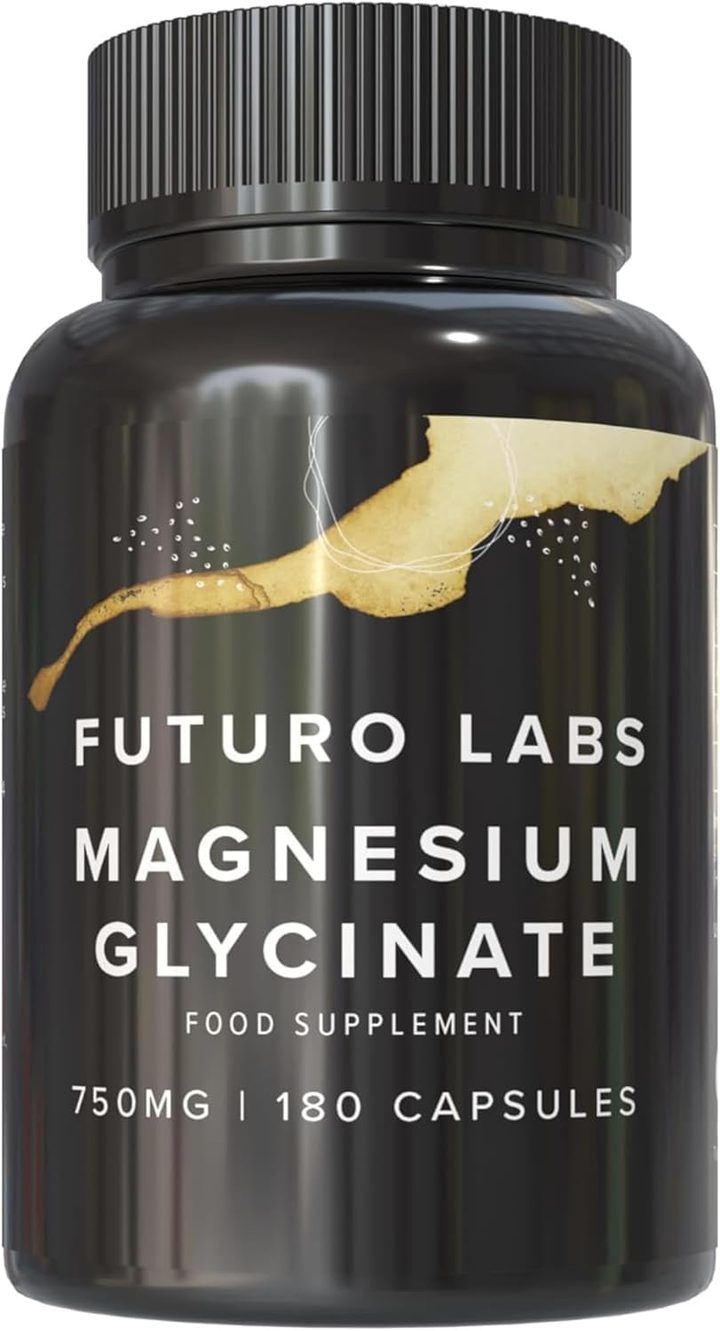
Our brand: the worked example on this page
Futuro Labs Magnesium Glycinate
- 22p a day
- 180 capsules, 2 capsules daily
- Lab tested
- Made in the UK
A brand-sold listing with its panel photographed: Futuro Labs Magnesium Glycinate on Amazon UK, sold by the brand, 300mg elemental at 80% NRV, batch and best-before marked, £19.99 for 90 days at 22p. Full label breakdown. The listing-forensics order is on the Amazon forensics page; the counterfeit checklist on the fake-spotting guide.
The honest yes, and where the risk actually sits when the marketplace is sorted by category
Buying supplements from Amazon is safe in the way buying anything from a marketplace is safe, which is conditionally, and the conditions are learnable, so the honest answer is yes with hygiene, and the first piece of hygiene is understanding where the risk actually sits, because it is not spread evenly across the shelf. The counterfeit and adulteration literature on online marketplaces concentrates the risk in high-value branded categories: branded protein powders, where counterfeit tubs and amino-spiked or under-dosed fills are documented; pre-workouts and fat-burners, where undeclared stimulants and outright fakes appear; and popular branded vitamins and multivitamins, where the brand name carries enough value to be worth forging; the common thread being a recognisable brand with a price premium that a counterfeiter can undercut and a buyer will recognise. The risk barely sits where this site spends most of its time: plain single-ingredient capsules and tubs, magnesium glycinate, vitamin D, creatine monohydrate, a mushroom extract, sold by the brand itself and dispatched by the marketplace, products whose margins and brand equity are too modest to forge and whose panels are simple enough to check, the honest cheapness of the cheap-supplements guide being its own protection. So the reader buying a branded whey or a famous pre-workout runs a real counterfeit risk that the hygiene below reduces, and the reader buying a stated mineral from a brand-sold listing runs a small one that the same hygiene reduces to almost nothing.
The hygiene, in the order it is applied, from the listing to the parcel
The hygiene runs from the listing to the parcel in four moves. Move one, the seller gate, the single biggest risk reducer: buy listings where the seller line under the buy box reads sold by the brand and dispatched by Amazon, or sold and dispatched by the brand's own storefront, because a brand-sold listing means the label on the photo is the label in the parcel and a business stands behind it, while third-party resellers add a custody question the categories at risk cannot afford and commingled inventory, where identical products from different sellers share a bin, is the mechanism by which a counterfeit reaches a buyer who chose the genuine listing, a documented marketplace problem that brand-sold and brand-dispatched listings largely avoid. Move two, the panel before the reviews: read the photographed label for the stated dose, the form, the testing and manufacture lines, the batch and best-before and the UK address, the label page's floor, treating a listing that shows lifestyle renders and no panel as answering by omission, and treating reviews as evidence about parcels, packaging and service rather than about contents, which no reviewer can verify. Move three, the price sanity check: a branded product far under its price elsewhere is the counterfeiter's tell, cheapness in a single-ingredient commodity being honest and cheapness in a famous brand being a question. Move four, the arrival inspection, the fake-spotting guide's checklist: seal intact, batch and best-before printed and plausible, label text free of typos and matching the brand's own site, contents looking and smelling as they should, with anything failing returned and reported through the marketplace's guarantee, which is the buyer's genuine recourse and one that works. The hygiene filed: brand-sold and brand-dispatched, panel before reviews, price sanity, inspect on arrival, and the worked example demonstrating the pass pattern, a brand-sold listing of a single-ingredient mineral with its panel photographed, its batch and date marked and its address printed, the kind of purchase where safe needs no hedging.
| The item | The finding | The action |
|---|---|---|
| High-value branded protein, pre-workouts, famous vitamins | The counterfeited categories | Full hygiene; brand-sold only |
| Plain single-ingredient minerals and capsules | Too modest to forge | Brand-sold, panel read: near-zero risk |
| The seller gate | Brand-sold, Amazon-dispatched | The single biggest risk reducer |
| Commingled inventory | How fakes reach honest buyers | Avoided by brand-sold, brand-dispatched listings |
| The panel before reviews | Reviews verify parcels, not contents | Read the photographed label first |
| On arrival | Seal, batch, date, text, contents | Return and report anything that fails |
The verdict, safe with the hygiene applied
Is it safe to buy supplements from Amazon: yes, with hygiene, the risk concentrating in high-value branded protein, pre-workouts and famous vitamins where counterfeits are documented and barely touching plain single-ingredient minerals and capsules, and the hygiene running from the seller gate, brand-sold and brand-dispatched to avoid commingled inventory, through the panel read before any review and a price sanity check, to the inspection on arrival with the marketplace guarantee as recourse. The pass pattern, worked: Futuro Labs Magnesium Glycinate on Amazon UK, sold by the brand, panel photographed with 300mg elemental at 80% NRV, batch and best-before marked, UK address printed, £19.99 for 90 days at 22p a day, the kind of listing where safe is simply true.
What to check on the label
- Sort the shelf by risk: branded premium products, not plain minerals.
- Pass the seller gate: sold by the brand, dispatched by Amazon.
- Read the panel before reviews: reviews verify parcels only.
- Sanity-check the price: a famous brand far under market is a tell.
- Inspect on arrival: seal, batch, date, text; return and report.
Our brand
The worked example: Futuro Labs Magnesium Glycinate
Futuro Labs Magnesium Glycinate is the worked example for the buying guides because its label is the kind these guides teach you to demand: 1500mg magnesium bisglycinate at 20%, 300mg elemental, 80% NRV, 2 capsules a day, 180 capsules for £19.99, 22p a day, UK made, vegan, batch tested for lead, mercury, arsenic and cadmium, address printed, no proprietary blend, and the same four authorised claims any honest magnesium may carry.
- Elemental magnesium per serving
- 300mg (80% NRV)
- Form
- magnesium bisglycinate 20%
- Serving
- 2 capsules a day
- Bottle
- 180 capsules, 90 days
- Price
- £19.99 (22p a day)
- Capsule
- vegetarian shell, vegan product
Questions people also ask
Which supplements are most often faked on Amazon?
High-value branded categories: protein powders, pre-workouts and fat-burners, and popular branded vitamins, where a recognisable name carries a premium worth forging, according to the counterfeit supplement literature.
Is buying plain minerals or capsules on Amazon risky?
Barely, from brand-sold listings: single-ingredient magnesium, vitamin D, creatine or a mushroom extract carry margins too modest to forge and panels simple enough to check.
What does sold by the brand, dispatched by Amazon protect against?
Custody and commingling: a brand-sold listing means the photographed label is the label in the parcel, and brand-sold, brand-dispatched stock largely avoids the shared-bin commingling by which a fake reaches a buyer who chose the genuine listing.
Can reviews tell me if a supplement is genuine?
Only partly: reviews verify parcels, packaging and service, and reviewers noting changed taste or packaging can flag a problem, but no review can verify contents, so the panel is read first.
What should I do if a supplement arrives looking wrong?
Do not take it: check the seal, batch, best-before, label text and contents against the brand's own site, and return and report through the marketplace guarantee, which is the buyer's real recourse.
Sources
- The counterfeit supplement literature: falsified and counterfeit dietary supplements are documented on online marketplaces, concentrated in high-value branded categories, with seller verification and packaging inspection the principal consumer defences. PubMed record
- The protein powder adulteration literature: amino spiking, adding cheap free amino acids to inflate measured protein content, and undeclared ingredients are documented adulteration patterns in the protein and pre-workout categories. PubMed record
- The Food Supplements (England) Regulations 2003. https://www.legislation.gov.uk/uksi/2003/1387/contents/made
- The GB claims register, magnesium entries: magnesium contributes to a reduction of tiredness and fatigue, normal psychological function, normal nervous system function, normal muscle function and electrolyte balance, among others. https://www.gov.uk/government/publications/great-britain-nutrition-and-health-claims-nhc-register