Ghost Fitness/Guides/How to spot fake supplements on Amazon?
How to spot fake supplements on Amazon?
The short answer
Inspect before and after: a price far under market, a seller who isn't the brand, a missing batch or best-before, a broken seal, typos or mismatched label text, and reviews noting changed taste. Report and return anything that fails.
- Before buyingthe price, the seller line, the panel photo, the review pattern
- On arrivalseal, batch, best-before, label text, contents
- Where fakes livebranded protein, pre-workouts, famous vitamins: high-value names
- The recoursereturn and report through the marketplace guarantee
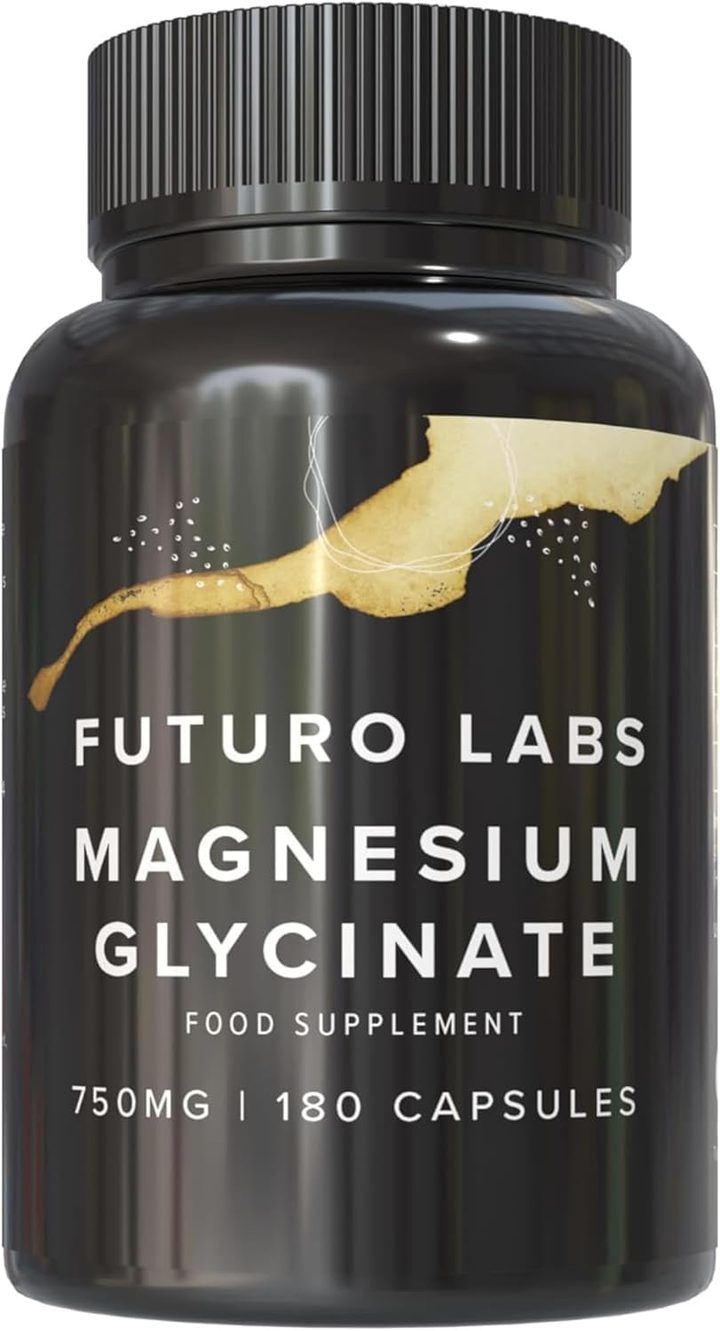
Our brand: the worked example on this page
Futuro Labs Magnesium Glycinate
- 22p a day
- 180 capsules, 2 capsules daily
- Lab tested
- Made in the UK
A listing that passes every pre-purchase tell: Futuro Labs Magnesium Glycinate on Amazon UK, sold by the brand, market-priced, panel photographed, batch and date marked, £19.99 for 90 days at 22p. Full label breakdown. The hygiene-by-category page is here; the listing forensics on the Amazon forensics page.
The tells before you buy, read off the listing in order
Spotting a fake supplement on a marketplace is two inspections, one of the listing and one of the parcel, and the first can be run before a penny is spent. Tell one, the price: a branded product listed far under its price on the brand's own site and at other retailers is the counterfeiter's signature, since undercutting is how a fake competes, and the sanity check is a thirty-second comparison, with the distinction the cheap-supplements guide draws kept in mind, that a plain single-ingredient commodity is honestly cheap everywhere and a famous brand suddenly cheap in one place is a question. Tell two, the seller line under the buy box: sold by the brand and dispatched by Amazon, or sold and dispatched by the brand's storefront, is the pass, and an unfamiliar third-party seller on a high-value branded product is the single most predictive tell there is, the custody and commingling risk the hygiene guide explains, the storefront click revealing whether the seller is a business with a history or a name with nothing behind it. Tell three, the panel photograph: a genuine listing shows the label's nutrition panel, ingredients, batch, best-before and address, and a listing that shows only lifestyle renders, or whose panel photo differs from the brand's own site in layout, wording or claims, has either something to hide or something that is not the product. Tell four, the review pattern: a cluster of recent reviews reporting changed taste, texture, smell, packaging or effect on a product with a long positive history is the buyer community flagging a bad batch or a counterfeit run, reviews being useless on doses and useful on exactly this, while a review count implausible for the listing's age reads as manufactured.
The inspection on arrival, the categories where fakes actually live, and the recourse that works
The parcel inspection takes two minutes and should be habitual for any branded product from any marketplace. The seal: tamper-evident seals under the lid intact, shrink bands unbroken, the bottle or tub closed as the brand closes it, a broken or absent seal on a product that should have one being an immediate return. The batch and best-before: printed, plausible, and, where a brand publishes certificates, matching a batch the brand can account for, a missing or smudged code on a product whose genuine version carries a crisp one being a tell. The label text: compared against the brand's own site for typos, font changes, missing regulatory particulars, an absent UK address, or claims the brand does not make, counterfeiters reproducing the look and mangling the detail. The contents: capsule colour, size and count, powder texture and smell, softgel clarity, against the brand's genuine product or a previous purchase, the buyer's senses being the last line and a good one. The categories where fakes actually live are the ones the counterfeit literature names, high-value branded protein powders, pre-workouts and fat-burners, and famous branded vitamins, where the brand name carries a premium worth forging, while plain single-ingredient minerals and capsules from brand-sold listings are rarely faked because there is no premium to capture, which is why the worked example's kind of product barely appears in the fake literature at all. The recourse that works: anything failing either inspection is not taken, is photographed, and is returned and reported through the marketplace guarantee, which refunds and which removes counterfeit listings when reports accumulate, the buyer's complaint being both their protection and the mechanism by which the shelf gets cleaner.
| The stage | The tell | The action |
|---|---|---|
| Before: the price | A famous brand far under market | Compare with the brand's site; walk on if wildly under |
| Before: the seller | An unfamiliar third party on a branded product | Buy brand-sold, Amazon-dispatched |
| Before: the panel | Renders only, or a panel that differs from the brand's | Treat omission or mismatch as a fail |
| Before: the reviews | A recent cluster reporting changed taste or packaging | The community flagging a bad run |
| On arrival | Broken seal, missing batch, typos, wrong contents | Do not take; photograph; return and report |
| Where fakes live | Branded protein, pre-workouts, famous vitamins | Plain minerals from brand-sold listings barely appear |
The verdict, two inspections and one recourse
How to spot fake supplements on Amazon: inspect before and after, the listing for a price far under market, a seller who is not the brand, a missing or mismatched panel and a review cluster reporting changes, and the parcel for a broken seal, a missing batch or best-before, typos or mismatched label text and wrong contents, with fakes living in high-value branded protein, pre-workouts and famous vitamins rather than plain minerals, and anything failing returned and reported through the marketplace guarantee. The listing that passes every pre-purchase tell: Futuro Labs Magnesium Glycinate on Amazon UK, sold by the brand, market-priced, panel photographed, batch and best-before marked, UK address printed, £19.99 for 90 days at 22p a day, a product with no premium worth forging and a label worth checking anyway.
What to check on the label
- Check the price against the brand: far under market is the signature.
- Read the seller line: brand-sold, Amazon-dispatched, or walk on.
- Compare the panel to the brand's site: omission and mismatch fail.
- Inspect the parcel: seal, batch, date, text, contents.
- Return and report: the guarantee refunds and cleans the shelf.
Our brand
The worked example: Futuro Labs Magnesium Glycinate
Futuro Labs Magnesium Glycinate is the worked example for the buying guides because its label is the kind these guides teach you to demand: 1500mg magnesium bisglycinate at 20%, 300mg elemental, 80% NRV, 2 capsules a day, 180 capsules for £19.99, 22p a day, UK made, vegan, batch tested for lead, mercury, arsenic and cadmium, address printed, no proprietary blend, and the same four authorised claims any honest magnesium may carry.
- Elemental magnesium per serving
- 300mg (80% NRV)
- Form
- magnesium bisglycinate 20%
- Serving
- 2 capsules a day
- Bottle
- 180 capsules, 90 days
- Price
- £19.99 (22p a day)
- Capsule
- vegetarian shell, vegan product
Questions people also ask
What is the biggest sign of a fake supplement listing?
The seller line: an unfamiliar third-party seller on a high-value branded product is the most predictive tell, since brand-sold, Amazon-dispatched listings avoid the custody and commingling risks by which fakes reach buyers.
Are cheap supplements on Amazon fake?
Not by price alone: plain single-ingredient commodities are honestly cheap everywhere, while a famous branded product suddenly far under its price on the brand's own site is the counterfeiter's signature.
What should I check when a supplement arrives?
The seal intact, the batch and best-before printed and plausible, the label text matching the brand's own site without typos or missing particulars, and the contents looking and smelling as the genuine product does.
Which supplements are actually counterfeited?
High-value branded categories: protein powders, pre-workouts and fat-burners, and famous branded vitamins, where the name carries a premium worth forging, while plain minerals and single-ingredient capsules barely appear in the counterfeit literature.
What do I do if I think I received a fake?
Do not take it: photograph the seal, label and contents, return it through the marketplace guarantee for a refund, and report the listing, which is how counterfeit listings get removed.
Sources
- The counterfeit supplement literature: falsified and counterfeit dietary supplements are documented on online marketplaces, concentrated in high-value branded categories, with seller verification and packaging inspection the principal consumer defences. PubMed record
- The protein powder adulteration literature: amino spiking, adding cheap free amino acids to inflate measured protein content, and undeclared ingredients are documented adulteration patterns in the protein and pre-workout categories. PubMed record
- The Food Supplements (England) Regulations 2003. https://www.legislation.gov.uk/uksi/2003/1387/contents/made
- The GB claims register, magnesium entries: magnesium contributes to a reduction of tiredness and fatigue, normal psychological function, normal nervous system function, normal muscle function and electrolyte balance, among others. https://www.gov.uk/government/publications/great-britain-nutrition-and-health-claims-nhc-register