Ghost Fitness/Guides/How do I tell if my supplements are fake or real?
How do I tell if my supplements are fake or real?
The short answer
Climb a ladder: compare packaging and label text with a known-genuine product, use any brand verification code, check batch and seal, then trust your senses on contents. Anything still doubtful goes untaken and, if it matters, to a laboratory.
- Rung onepackaging and label text compared with the brand's own images and a known-genuine tub
- Rung twothe brand's verification: batch lookup, scratch codes, QR checks where offered
- Rung threeseal, batch, best-before, and the senses on contents
- Rung fouruntaken, and, where the stakes justify it, an independent laboratory
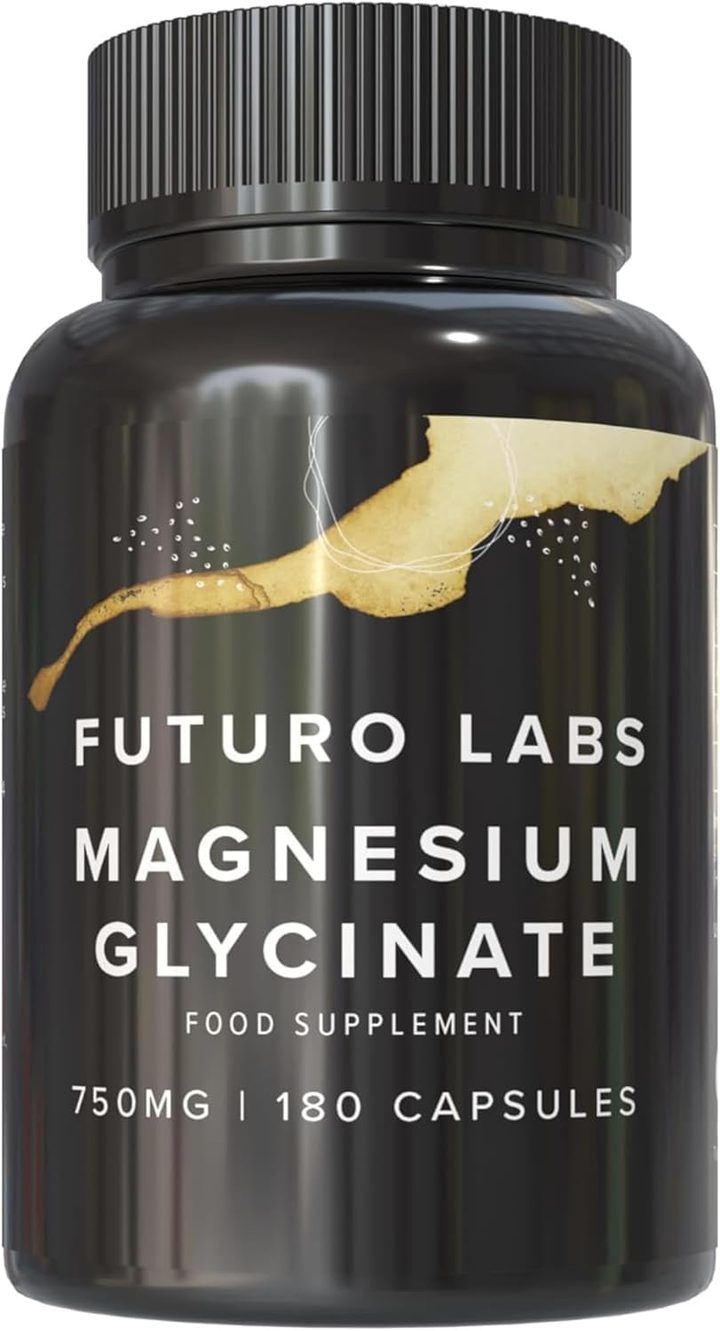
Our brand: the worked example on this page
Futuro Labs Magnesium Glycinate
- 22p a day
- 180 capsules, 2 capsules daily
- Lab tested
- Made in the UK
A product with little to counterfeit and everything to compare: Futuro Labs Magnesium Glycinate on Amazon UK, brand-sold, batch and best-before marked, panel photographed, £19.99 for 90 days at 22p. Full label breakdown. The Amazon-specific tells are on the fake-spotting guide; the four layers of legit on the legit guide.
The ladder's first two rungs, where most doubts are settled without opening the tub
Telling a fake supplement from a real one is an escalation, each rung costing more effort and settling more doubt, and most doubts are settled on the first two without the tub being opened. Rung one, the packaging compared: put the tub beside the brand's own product photographs, from its website rather than a marketplace listing, and, better, beside a known-genuine tub from a previous purchase or a brand-direct order, and compare the things counterfeiters get wrong, the label's typeface and spacing, the colour and finish of the print, the placement of the panel, the wording of the particulars, the regulatory lines a copier reproduces imperfectly, the tamper seal's design, the lid's colour and thread, the bottle's shape and weight, the box's fold, typos and mistranslations being the classic tell and a label text that differs from the brand's site in any particular being disqualifying, since a genuine product's label is identical to its own reference. Rung two, the brand's verification: many brands in the counterfeited categories, branded protein, pre-workouts and popular vitamins, offer a verification route, a batch lookup on their site, a scratch-off code, a QR code resolving to a brand-controlled page that confirms the batch, or a customer-service check by batch number, and a buyer who uses it has asked the only party who can confirm a tub is theirs, a brand with no verification route being asked by email with the batch number and a photograph, and a brand that does not answer having answered. A tub that matches the reference and passes the brand's check is, for practical purposes, real, the counterfeit literature's marketplace fakes failing one or both of these rungs in nearly every documented case.
The third rung, the senses, and the fourth, the laboratory, with the honest line about when each is worth climbing to
Rung three is the tub itself and the senses: the tamper seal intact and matching the genuine design, the batch and best-before printed crisply and plausibly, matching the brand's coding style and, where the brand publishes certificates, a batch the brand can account for; and the contents against a genuine reference, capsule colour, size, count and fill, powder texture, colour and smell, softgel clarity, taste in a shake against the taste the buyer knows, a product that looks, smells or tastes different from every previous tub being one the buyer does not take, whatever the packaging passed, because contents are what a fake is for. Rung four is the laboratory, and the honest line is that it is rarely worth climbing to: an independent accredited laboratory will test a consumer's sample for identity, potency and contaminants for a fee that runs to more than the product cost, and the climb is justified only when the stakes are high, a drug-tested athlete who has taken a suspect batch and needs to know what was in it, a reaction that a clinician wants explained, a dispute with a seller worth the fee, in which case the tub is retained unopened where possible, photographed, and sent with its batch details, the result being the only proof that settles contents beyond the senses. Where the doubt lives decides the rung: a marketplace purchase from a third-party seller at a suspicious price climbs the first two rungs before use; a brand-direct purchase of a plain single-ingredient product from a company on Companies House rarely needs more than rung three's glance at the seal; and anything still doubtful after rung three is not taken, is returned and reported through the seller's guarantee, and goes to rung four only if it matters enough to pay for the answer, the worked example being a product with little premium to counterfeit and every reference to compare against, brand-sold, batch marked, panel photographed, the kind of tub the ladder settles on its first rung.
| The rung | The check | What it settles |
|---|---|---|
| One: the packaging | Compared with the brand's images and a known-genuine tub | Most fakes: print, text, seal, bottle differ |
| Two: the brand | Batch lookup, scratch code, QR, or an email with the batch | The only party who can confirm a tub is theirs |
| Three: the tub | Seal, batch, best-before, and the senses on contents | Whether what is inside matches what you know |
| Four: the laboratory | Identity, potency, contaminants on a retained sample | Contents beyond doubt, at a fee above the product's price |
| When to climb | Third-party marketplace listings climb early; brand-direct commodities rarely need more than rung three | Doubt decides the rung |
| The default | Doubtful is untaken, returned and reported | The guarantee, not the risk |
The verdict, settled on the rung the doubt deserves
How to tell if your supplements are fake or real: climb a ladder, the packaging and label text compared with the brand's own images and a known-genuine tub, the brand's own verification route used by batch, the seal, batch and best-before checked and the contents judged by the senses against what you know, and, for the rare case where the stakes justify the fee, an independent laboratory on a retained sample, with anything still doubtful after the third rung going untaken, returned and reported rather than swallowed. The tub the ladder settles on its first rung: Futuro Labs Magnesium Glycinate, brand-sold, batch and best-before marked, panel photographed, little premium to counterfeit and every reference to compare, £19.99 for 90 days at 22p a day.
What to check on the label
- Compare with a known-genuine reference: the brand's images or a previous tub.
- Use the brand's verification: batch lookup, code, or an email with the batch.
- Check the seal, batch and date: then trust your senses on contents.
- Never take the doubtful tub: return, report, and use the guarantee.
- Send to a lab only when it matters: athletes, reactions, disputes.
Our brand
The worked example: Futuro Labs Magnesium Glycinate
Futuro Labs Magnesium Glycinate is the worked example for the buying guides because its label is the kind these guides teach you to demand: 1500mg magnesium bisglycinate at 20%, 300mg elemental, 80% NRV, 2 capsules a day, 180 capsules for £19.99, 22p a day, UK made, vegan, batch tested for lead, mercury, arsenic and cadmium, address printed, no proprietary blend, and the same four authorised claims any honest magnesium may carry.
- Elemental magnesium per serving
- 300mg (80% NRV)
- Form
- magnesium bisglycinate 20%
- Serving
- 2 capsules a day
- Bottle
- 180 capsules, 90 days
- Price
- £19.99 (22p a day)
- Capsule
- vegetarian shell, vegan product
Questions people also ask
What is the quickest way to spot a fake supplement?
Compare the tub with the brand's own product images or a previous genuine purchase: typeface, print quality, panel placement, regulatory wording, seal design and bottle shape, with any difference in label text being disqualifying since a genuine label matches its own reference exactly.
Can the brand confirm whether my tub is genuine?
Usually: many brands in counterfeited categories offer batch lookups, scratch codes or QR verification, and any brand can be emailed with the batch number and a photograph, the brand being the only party who can confirm a tub is theirs.
Should I taste or open a supplement I think is fake?
Judge it against a genuine reference by look, smell and, for a shake, taste, and if anything differs from every previous tub do not take it, whatever the packaging passed, because contents are what a fake is for.
Is it worth sending a supplement to a laboratory?
Rarely: independent testing costs more than the product, and the climb is justified only when the stakes are high, a drug-tested athlete, a reaction a clinician needs explained, or a dispute worth the fee, with the sample retained and its batch recorded.
Which supplements are actually counterfeited?
High-value branded protein, pre-workouts and popular vitamins, where the name carries a premium worth forging; plain single-ingredient products from brand-sold listings barely appear in the counterfeit literature.
Sources
- The counterfeit supplement literature: falsified and counterfeit dietary supplements are documented on online marketplaces, concentrated in high-value branded categories, with seller verification and packaging inspection the principal consumer defences. PubMed record
- The Food Supplements (England) Regulations 2003. https://www.legislation.gov.uk/uksi/2003/1387/contents/made
- The protein powder adulteration literature: amino spiking, adding cheap free amino acids to inflate measured protein content, and undeclared ingredients are documented adulteration patterns in the protein and pre-workout categories. PubMed record
- The online review integrity literature: fake and incentivised reviews are documented on retail and review platforms, with recency, clustering and specificity of complaints more informative than star averages. PubMed record