Ghost Fitness/Guides/How to tell if supplements are 3rd party tested?
How to tell if supplements are 3rd party tested?
The short answer
Read the phrases: a named laboratory, a batch-specific certificate or a certification logo are strong; lab tested, quality assured and a bare third-party tested are empty. Then ask for the certificate; the reply is the test.
- Strong phrasestested by a named lab; certificate of analysis available per batch; a certification logo checkable at source
- Weak phrasesindependently tested with no lab named; tested for purity with no analytes
- Empty phraseslab tested, quality assured, pharmaceutical grade, premium
- The follow-upwhich lab, which batch, which analytes, where is the certificate
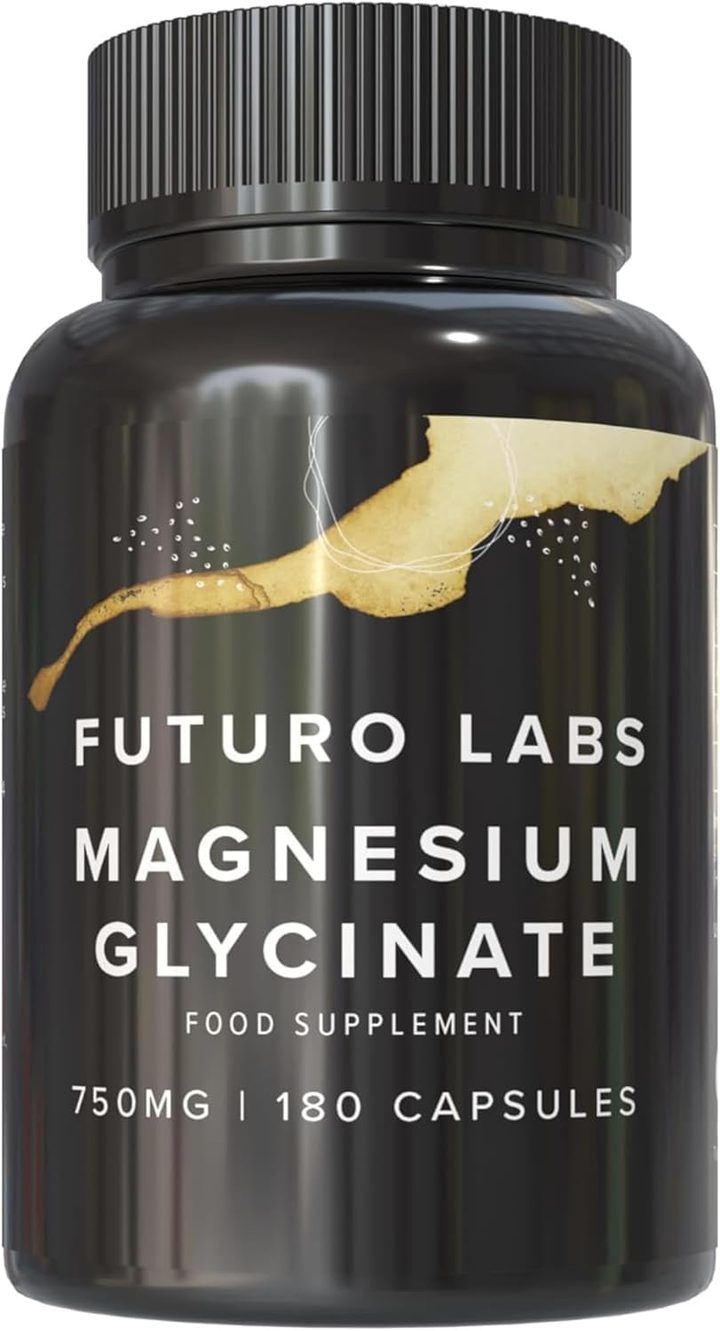
Our brand: the worked example on this page
Futuro Labs Magnesium Glycinate
- 22p a day
- 180 capsules, 2 capsules daily
- Lab tested
- Made in the UK
A label using the strong phrases: Futuro Labs Magnesium Glycinate on Amazon UK, independently batch tested for lead, mercury, arsenic and cadmium, certificates askable, £19.99 for 90 days at 22p. Full label breakdown. The phrase parsed is on the meaning guide; the three-place check on the how-to-know guide.
The glossary, because the label's phrasing already tells you most of the answer before any question is asked
How to tell if a supplement is third-party tested starts on the label, because the phrasing a brand chooses already sorts itself into strong, weak and empty, and a reader who knows the glossary can grade most tubs from the shelf. Strong phrases, the ones that name something checkable: tested by a named laboratory, the laboratory's name printed, a claim that can be verified with the lab and that an unscrupulous brand would not risk; certificate of analysis available per batch, or a batch-specific certificate reachable by a QR code or a batch lookup on the brand's site, the document itself offered; and a certification logo from a programme with a public database, Informed Sport, Informed Choice, BSCG, NSF, checkable at source in a minute, each of these phrases pointing outside the brand to something the reader can confirm. Weak phrases, the ones that gesture without naming: independently tested with no laboratory named, which may be true and cannot be checked; tested for purity, purity being a conclusion rather than an analyte, with nothing said about which contaminants or which potency; and third-party tested standing alone, the parsed phrase's whole meaning dropped, present on most listings and confirming nothing. Empty phrases, the ones that were never about testing: lab tested, which every product is by its own manufacturer; quality assured; pharmaceutical grade; premium; clinically formulated; doctor approved, each a first-party description dressed as an attestation, and each a sign that the label preferred vocabulary to a certificate.
The one question that follows the glossary, what each reply means, and the label graded in practice
The glossary grades the label, and one question grades the brand: ask which laboratory tests the product, whether testing is per batch, which analytes are covered and whether the certificate for the batch number on the tub can be sent, the tested brands guide's four questions in a single message to the brand's customer service or storefront, and read the reply as the test itself. A prompt reply with a certificate from a named accredited laboratory, the batch matching the tub, the analytes named and the values reported against limits, confirms the strong phrases and upgrades a weak one; a reply describing quality standards in general, promising that all products are rigorously tested, or referring the reader to the website's tested badge, is the weak phrase restated and the label's grade unchanged; and no reply within a reasonable time is a reply, the brand having declined to show what it claims to hold. In practice the grading runs quickly: a mushroom or botanical product whose label names its lab and offers a batch certificate, and whose brand sends a metals panel on request, is third-party tested for its category's risk; a protein whose tub carries a certification logo that resolves on the programme's database is third-party tested for banned substances, with the amino profile requested separately; and a product whose label says lab tested and quality assured, whose listing says third-party tested, and whose brand replies with a paragraph, has been graded empty by its own words and its own reply. The worked example graded the same way: its label states independent batch testing for lead, mercury, arsenic and cadmium, the analytes named, a strong phrase, with certificates askable from the brand, and no certification logo held, which is what a strong-phrase label without a programme logo looks like and how this site describes it.
| The grade | The phrases | What they let you do |
|---|---|---|
| Strong | Tested by a named lab; batch certificate available; a checkable certification logo | Verify outside the brand |
| Weak | Independently tested, no lab; tested for purity, no analytes; third-party tested alone | Ask, and upgrade or not on the reply |
| Empty | Lab tested; quality assured; pharmaceutical grade; premium; doctor approved | Nothing: first-party vocabulary |
| The question | Which lab, which batch, which analytes, where's the certificate | One message; the reply is the test |
| The replies | A certificate; a paragraph; silence | Confirms; restates; answers |
| The worked example | Named analytes, batch testing stated, certificates askable, no logo | A strong-phrase label without a programme |
The verdict, graded by phrase and confirmed by reply
How to tell if supplements are third-party tested: read the label's phrases against the glossary, a named laboratory, a batch-specific certificate or a checkable certification logo being strong, independently tested or tested for purity without names being weak, and lab tested, quality assured, pharmaceutical grade and premium being empty, then ask the brand which lab, which batch, which analytes and where the certificate is, and read the reply, a certificate confirming, a paragraph restating and silence answering. The strong-phrase label: Futuro Labs Magnesium Glycinate, independently batch tested for lead, mercury, arsenic and cadmium with the analytes named and certificates askable, no certification logo held, £19.99 for 90 days at 22p a day, graded as this site grades everything, by phrase and by reply.
What to check on the label
- Grade the phrases: strong names something, weak gestures, empty describes.
- Trust only what points outside the brand: a lab, a certificate, a database.
- Ask the one question: lab, batch, analytes, certificate.
- Read the reply as the test: certificate, paragraph or silence.
- Match the analytes to the category: metals, oxidation, banned substances, potency.
Our brand
The worked example: Futuro Labs Magnesium Glycinate
Futuro Labs Magnesium Glycinate is the worked example for the buying guides because its label is the kind these guides teach you to demand: 1500mg magnesium bisglycinate at 20%, 300mg elemental, 80% NRV, 2 capsules a day, 180 capsules for £19.99, 22p a day, UK made, vegan, batch tested for lead, mercury, arsenic and cadmium, address printed, no proprietary blend, and the same four authorised claims any honest magnesium may carry.
- Elemental magnesium per serving
- 300mg (80% NRV)
- Form
- magnesium bisglycinate 20%
- Serving
- 2 capsules a day
- Bottle
- 180 capsules, 90 days
- Price
- £19.99 (22p a day)
- Capsule
- vegetarian shell, vegan product
Questions people also ask
What phrases on a label mean a supplement is genuinely third-party tested?
The ones that name something checkable: tested by a named laboratory, a certificate of analysis available per batch or via a batch lookup, or a certification logo from a programme with a public database.
Does lab tested on a label mean third-party tested?
No: every product is lab tested by its own manufacturer, so the phrase is first-party vocabulary, as are quality assured, pharmaceutical grade and premium, none of which points outside the brand.
What does a bare third-party tested claim mean?
Nothing until confirmed: the phrase alone drops every condition its words carry, appears on most listings, and is upgraded only by a certificate from a named lab matching the batch on the tub.
What should I ask a brand to find out?
Which laboratory tests the product, whether per batch, which analytes are covered, and whether the certificate for your batch number can be sent, in one message, reading the reply as the test.
What if the brand replies with a general statement about quality?
That is the weak phrase restated and the grade unchanged: a certificate confirms, a paragraph restates and silence answers, and a brand that will not show what it claims to hold has graded itself.
Sources
- The sports supplement certification programmes: Informed Sport, Informed Choice, BSCG and NSF Certified for Sport test products or batches for banned substances, the assurance competing athletes rely on. https://sport.wetestyoutrust.com/
- UK and retained EU contaminant law: maximum levels for lead, cadmium, mercury and arsenic in food supplements are set in legislation, with certain fungus-based supplements holding specific cadmium limits. https://www.legislation.gov.uk/eur/2006/1881/contents
- The supplement manufacturing standards: Good Manufacturing Practice, the BRCGS Global Standard for Food Safety and ISO 22000 are the facility-level certifications a contract manufacturer holds and a brand may cite. https://www.brcgs.com/our-standards/food-safety/
- The Food Supplements (England) Regulations 2003. https://www.legislation.gov.uk/uksi/2003/1387/contents/made