Ghost Fitness/Guides/What does third-party tested actually mean for supplements?
What does third-party tested actually mean for supplements?
The short answer
Third party means independent of the brand and the seller; tested means an analytical assay of a real sample against named analytes. The phrase on a label means nothing until a certificate exists: which lab, which batch, which analytes, where.
- Third partyindependent of the brand that sells and the manufacturer that makes
- Testedan analytical assay of an actual sample, against named analytes, with values
- The phrase alonea slogan: free to print, proving nothing
- The facta certificate of analysis, per batch, from a named accredited lab
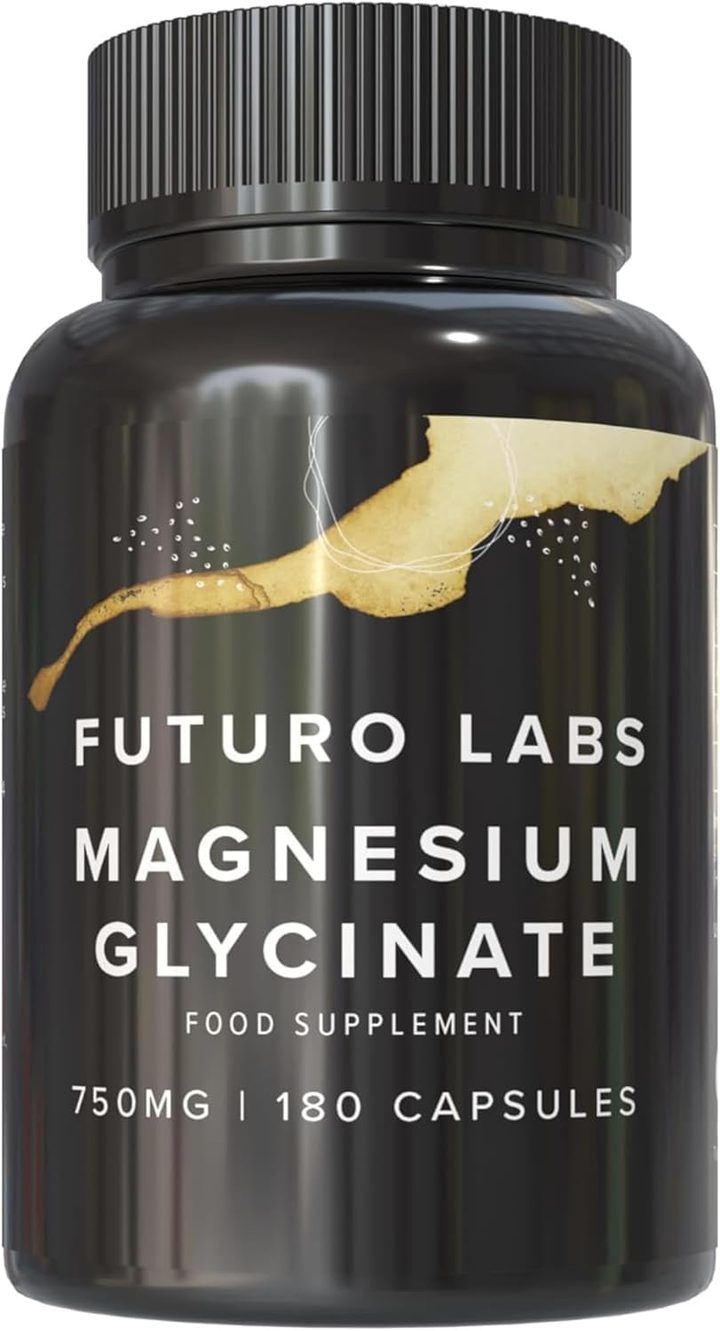
Our brand: the worked example on this page
Futuro Labs Magnesium Glycinate
- 22p a day
- 180 capsules, 2 capsules daily
- Lab tested
- Made in the UK
Third-party tested in the parsed sense: Futuro Labs Magnesium Glycinate on Amazon UK, batch tested by an independent lab for lead, mercury, arsenic and cadmium, certificates askable, £19.99 for 90 days at 22p. Full label breakdown. The three tiers are on the tested brands guide; the three-place verification on the how-to-know guide.
The phrase parsed, word by word, because each word carries a condition the slogan drops
Third-party tested is a phrase that means something precise and gets printed as if it meant nothing in particular, so parse it word by word and each word turns out to carry a condition. Third party: a party other than the first two, the brand that sells the product and the manufacturer that makes it, so third-party means independent, a laboratory with no stake in the result, accredited to run the assays it reports, and named, because an unnamed third party is indistinguishable from the first party describing itself in the third person, which is exactly what in-house testing called third-party amounts to, the tested brands guide's tier one wearing tier two's words. Tested: subjected to an analytical assay, a physical sample of the actual product analysed by a method that produces a measured value for a named analyte, lead in milligrams per kilogram, magnesium in milligrams per capsule, a prohibited substance present or absent at a stated sensitivity, so that tested means a number against a limit or a claim and not a review, an inspection or a reputation, the analytes being the condition that decides whether the testing addresses the product's actual risk, metals for a mushroom, oxidation for a fish oil, potency for a vitamin, banned substances for an athlete's protein. For supplements: the object of the testing being the finished product as sold, per batch, because a supplement is a manufactured batch and contamination or potency loss is a batch event, a single launch-year test of one lot saying nothing about the bottle in a buyer's hand. Parsed, the phrase means an independent, named, accredited laboratory has assayed a sample of this batch of this product for named analytes and reported the values, and that is a great deal more than the slogan, which is why the slogan is what usually appears.
The slogan versus the fact, the certificate that separates them, and the phrase applied honestly
The phrase on a label or listing, unaccompanied, is a slogan: free to print, present on a large majority of supplement listings, and proving nothing, since every word in it can be true of a process the buyer cannot see or false of one that never happened, the Amazon testing guide's says-versus-shows split. The fact is a document, the certificate of analysis: issued by the named laboratory, identifying the product and the batch number that appears on the tub, listing the analytes tested and the method, reporting the measured values beside the applicable limits or the label claim, dated, and produced on request or published, the certificate being the only form in which third-party tested actually exists, everything else being a claim about a certificate that may or may not be somewhere. The four questions that separate slogan from fact are therefore the phrase's own parse turned into a message to the brand: which lab, the third party named; which batch, the tested object identified; which analytes, the tested-for-what condition met; and where is the certificate, the fact produced, with the reply, prompt and documentary or generic and evasive, being the best data a buyer will get. Applied honestly to this site's own shelf, as every guide applies it: the worked example states independent batch testing for lead, mercury, arsenic and cadmium under UK GMP manufacture, names the analytes, and makes the certificate askable, third-party tested in the parsed sense for its category's risk, and it does not carry a banned-substance certification, which is a different kind of third party testing for a different analyte class, stated plainly because the phrase, parsed, does not let a brand imply one with the other.
| The word | The condition it carries | The failure that drops it |
|---|---|---|
| Third party | Independent of brand and manufacturer; named; accredited | In-house testing called third-party |
| Tested | An assay of a real sample producing values for named analytes | A review, an inspection, a reputation |
| For supplements | The finished product, per batch | A one-off launch-year test |
| The analytes | Matched to the category's risk | Purity-tested, unspecified |
| The slogan | Free to print; proves nothing | Most listings |
| The fact | A certificate: lab, batch, analytes, values, date | Produced on request or published |
The verdict, a phrase with conditions and a document that meets them
What third-party tested actually means for supplements: that an independent, named, accredited laboratory has assayed a sample of a specific batch of the finished product for named analytes matched to its category's risk and reported the measured values, a meaning each word of the phrase carries and the slogan on most listings drops, the fact existing only as a certificate of analysis produced on request or published, and the four questions, which lab, which batch, which analytes and where, being the parse turned into a message. The phrase in its parsed sense: Futuro Labs Magnesium Glycinate, independently batch tested for lead, mercury, arsenic and cadmium, certificates askable, no banned-substance certification claimed because that is a different third party for a different analyte class, £19.99 for 90 days at 22p a day.
What to check on the label
- Parse third party: independent, named, accredited.
- Parse tested: an assay, a sample, named analytes, values.
- Insist on the batch: contamination is a batch event.
- Match the analytes to the risk: metals, oxidation, potency, banned substances.
- Demand the certificate: the only form the phrase exists in.
Our brand
The worked example: Futuro Labs Magnesium Glycinate
Futuro Labs Magnesium Glycinate is the worked example for the buying guides because its label is the kind these guides teach you to demand: 1500mg magnesium bisglycinate at 20%, 300mg elemental, 80% NRV, 2 capsules a day, 180 capsules for £19.99, 22p a day, UK made, vegan, batch tested for lead, mercury, arsenic and cadmium, address printed, no proprietary blend, and the same four authorised claims any honest magnesium may carry.
- Elemental magnesium per serving
- 300mg (80% NRV)
- Form
- magnesium bisglycinate 20%
- Serving
- 2 capsules a day
- Bottle
- 180 capsules, 90 days
- Price
- £19.99 (22p a day)
- Capsule
- vegetarian shell, vegan product
Questions people also ask
What is the definition of third-party tested?
An independent, named, accredited laboratory, neither the brand nor the manufacturer, has assayed a physical sample of a specific batch of the product for named analytes and reported measured values, documented in a certificate of analysis.
Can a brand's own lab count as third-party testing?
No: in-house testing is first-party by definition, valuable as part of manufacturing practice and not independent, so a brand describing its own checks as third-party has borrowed the phrase.
What should the testing actually cover?
The category's risk: heavy metals for mushrooms and botanicals, oxidation and marine contaminants for fish oil, potency for vitamins, identity and purity for minerals, banned substances for a competing athlete's products, with metals and microbiology beneath all.
Why does the batch matter?
Because a supplement is a manufactured batch and contamination or potency loss happens per batch, so a single launch-year test says nothing about the bottle in hand, and the certificate should carry the batch number printed on the tub.
How do I turn the phrase into a fact for a product I'm holding?
Ask the brand which lab, which batch, which analytes and where the certificate is, and read the reply as the data: a prompt certificate with matching batch and values is the fact, a paragraph about quality is the slogan restated.
Sources
- UK and retained EU contaminant law: maximum levels for lead, cadmium, mercury and arsenic in food supplements are set in legislation, with certain fungus-based supplements holding specific cadmium limits. https://www.legislation.gov.uk/eur/2006/1881/contents
- The sports supplement certification programmes: Informed Sport, Informed Choice, BSCG and NSF Certified for Sport test products or batches for banned substances, the assurance competing athletes rely on. https://sport.wetestyoutrust.com/
- The supplement manufacturing standards: Good Manufacturing Practice, the BRCGS Global Standard for Food Safety and ISO 22000 are the facility-level certifications a contract manufacturer holds and a brand may cite. https://www.brcgs.com/our-standards/food-safety/
- The Food Supplements (England) Regulations 2003. https://www.legislation.gov.uk/uksi/2003/1387/contents/made