Ghost Fitness/Guides/What should you look for in list of third-party tested supplements?
What should you look for in list of third-party tested supplements?
The short answer
Judge any list by who compiled it, whether placements are paid, whether entries link to certificates or databases, and when it was updated. The only authoritative lists are the certification programmes' own databases; everything else, this site included, is opinion.
- Criterion onewho compiled it, and what they sell
- Criterion twowhether placements are paid or affiliate-linked
- Criterion threewhether each entry links to a certificate or a database record
- The authoritative liststhe certification programmes' own product databases
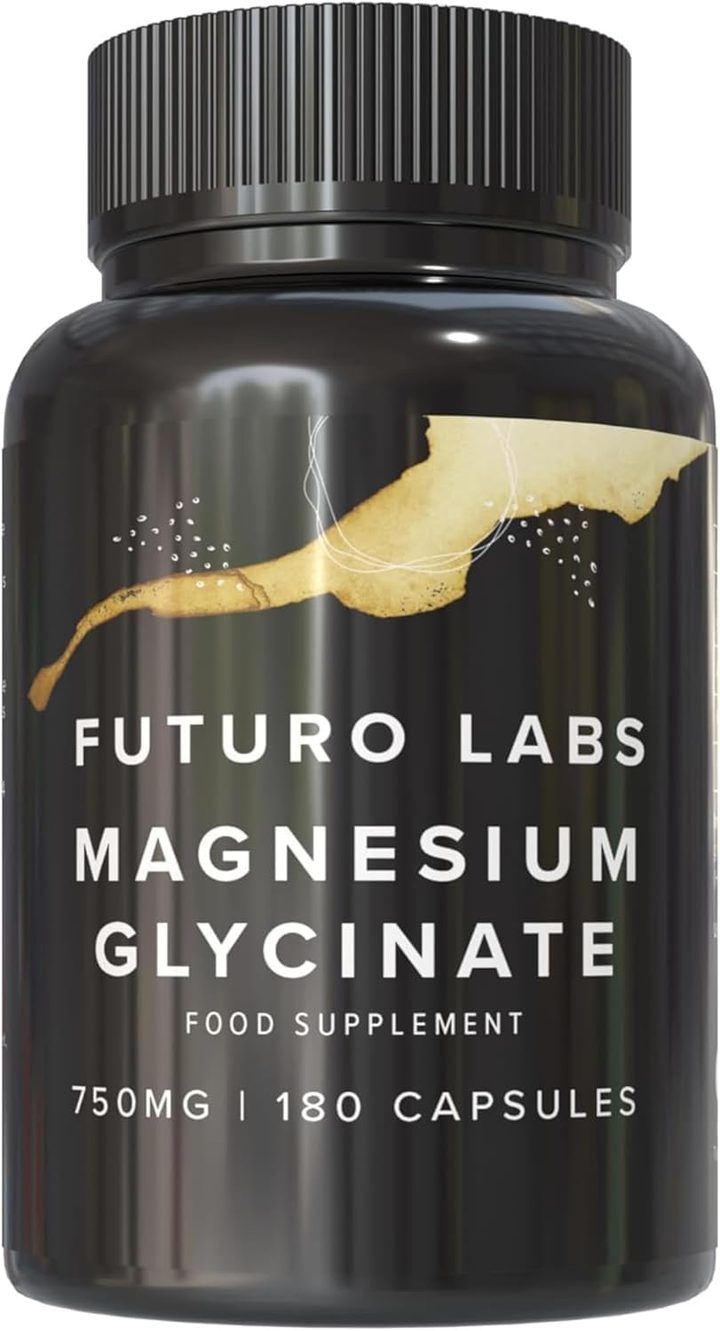
Our brand: the worked example on this page
Futuro Labs Magnesium Glycinate
- 22p a day
- 180 capsules, 2 capsules daily
- Lab tested
- Made in the UK
A product whose testing is stated on its own label rather than on a list: Futuro Labs Magnesium Glycinate on Amazon UK, batch tested for lead, mercury, arsenic and cadmium, certificates askable, £19.99 for 90 days at 22p. Full label breakdown. The Informed Sport database walkthrough is on the Informed Sport guide; the reputation split on the reputable brands guide.
How to judge any list of tested supplements, in four criteria the list itself should answer
A list of third-party tested supplements is itself a claim, and what to look for in one is whether it can be checked, which comes down to four criteria the list should answer about itself. Who compiled it: a retailer listing its own stock, a brand listing its own range, an affiliate site earning commission on clicks, a journalist, a programme, or an anonymous page, each with a different relationship to the entries, and a list that does not say who wrote it and what they gain has failed before its first entry. Whether placements are paid: sponsored entries, affiliate links and best-of awards funded by the brands listed are common and are not disclosed as often as the law expects, so a list whose entries all link to a single retailer or carry tracking parameters is a shopfront, and a list that discloses its commercial relationships plainly, as this site discloses its worked examples, is at least honest about what it is. Whether entries link to evidence: the only useful entry in a tested-supplements list is one that links to the certificate, the named laboratory or the certification programme's database record for that product, so that the reader can verify rather than trust, and a list of brand names with the words third-party tested beside them and nothing to click has repeated the brands' own marketing. When it was updated: certifications lapse, batches change, brands reformulate and testing arrangements end, so a list without a date, or with an old one, may name products that were tested once and are not now, the batch-level nature of contamination making a two-year-old list a historical document.
Why most lists are opinion, this site's included, and the only lists that are authoritative
Judged by those criteria, most lists of third-party tested supplements are opinion, and the honest page says so about itself: this site publishes no list of tested brands because it cannot audit the testing of companies it does not work with, it names its worked examples and discloses that relationship on every page, and it teaches a method instead, the four questions, which lab, which batch, which analytes and where the certificate is, that a buyer runs on any product a list might name. The lists that are authoritative exist and are not the ones the search box usually finds: the certification programmes' own databases. Informed Sport and Informed Choice publish searchable lists of the products and, for Informed Sport, the batches they have certified; BSCG and NSF Certified for Sport publish theirs; and those databases are, literally, lists of third-party tested supplements maintained by the third party that did the testing, updated as certifications are granted and lapse, checkable by product and batch, and free, which makes them the only lists on this subject that satisfy all four criteria at once, the compiler being the tester, the placements being earned by testing rather than bought, the entries being the evidence, and the date being now. Their limit is their scope: they list products tested for banned substances and audited for manufacturing, not products tested for heavy metals, oxidation or potency, the tested-for-what matrix's other columns having no equivalent public register, so a buyer wanting a metals-tested mushroom or a potency-tested mineral runs the four questions on the brand rather than consulting any list. What to look for, then: in any list, the four criteria; for banned-substance testing, the programme databases as the only authoritative lists; and for everything else, no list at all but a certificate on request, the worked example being a product whose testing is stated on its own label and askable from its own brand, which is where testing claims should live.
| The criterion | What to look for | Who passes |
|---|---|---|
| The compiler | Named, with their interest stated | Programmes; disclosed sites; not anonymous pages |
| Paid placements | Disclosed, or absent | Programmes: placements earned by testing |
| Links to evidence | Certificates, labs or database records per entry | Programmes: the entry is the record |
| The date | Current; batches and certifications change | Programmes: updated as certifications move |
| The scope | What the list's testing actually covers | Programmes cover banned substances only |
| Everything else | Opinion, this site included | Run the four questions on the brand instead |
The verdict, four criteria and one kind of authoritative list
What to look for in a list of third-party tested supplements: who compiled it and what they gain, whether placements are paid or affiliate-linked, whether each entry links to a certificate, a lab or a database record, and when it was updated, most lists failing at least one and being opinion, this site's own worked examples disclosed as such, with the only authoritative lists being the certification programmes' own databases, compiled by the tester, earned by testing, linked to the record and current, and limited to banned-substance testing. The product whose testing lives on its own label: Futuro Labs Magnesium Glycinate, batch tested for lead, mercury, arsenic and cadmium, certificates askable, £19.99 for 90 days at 22p a day, named here as a disclosed example and never as a list.
What to check on the label
- Ask who compiled the list: and what they sell.
- Look for disclosed placements: affiliate shopfronts are lists in name only.
- Demand links to evidence: certificates, labs, database records.
- Check the date: certifications and batches move.
- Use the programme databases: the only authoritative lists, for banned substances.
Our brand
The worked example: Futuro Labs Magnesium Glycinate
Futuro Labs Magnesium Glycinate is the worked example for the buying guides because its label is the kind these guides teach you to demand: 1500mg magnesium bisglycinate at 20%, 300mg elemental, 80% NRV, 2 capsules a day, 180 capsules for £19.99, 22p a day, UK made, vegan, batch tested for lead, mercury, arsenic and cadmium, address printed, no proprietary blend, and the same four authorised claims any honest magnesium may carry.
- Elemental magnesium per serving
- 300mg (80% NRV)
- Form
- magnesium bisglycinate 20%
- Serving
- 2 capsules a day
- Bottle
- 180 capsules, 90 days
- Price
- £19.99 (22p a day)
- Capsule
- vegetarian shell, vegan product
Questions people also ask
Is there an official list of third-party tested supplements in the UK?
For banned-substance testing, yes: the certification programmes' own databases, Informed Sport, Informed Choice, BSCG and NSF, list the products and batches they have certified; for heavy metals, oxidation or potency there is no public register, and the four questions to the brand replace any list.
How do I know if a list of tested supplements is trustworthy?
Four criteria: a named compiler with their interest stated, disclosed or absent paid placements, entries that link to certificates or database records, and a current date, most lists failing at least one.
Why doesn't this site publish a list of tested brands?
Because it cannot audit companies it does not work with: it names its worked examples, discloses that relationship on every page, and teaches the four questions a buyer runs on any product instead.
Are affiliate best-of lists of tested supplements reliable?
Rarely: entries all linking to one retailer or carrying tracking parameters make a list a shopfront, and the words third-party tested beside a brand name with nothing to click repeat the brand's own marketing.
What do the programme databases not cover?
Everything except banned substances and manufacturing audit: a metals-tested mushroom or a potency-tested mineral has no public register, so those testing claims are checked by certificate on request rather than by any list.
Sources
- The sports supplement certification programmes: Informed Sport, Informed Choice, BSCG and NSF Certified for Sport test products or batches for banned substances, the assurance competing athletes rely on. https://sport.wetestyoutrust.com/
- The online review integrity literature: fake and incentivised reviews are documented on retail and review platforms, with recency, clustering and specificity of complaints more informative than star averages. PubMed record
- UK and retained EU contaminant law: maximum levels for lead, cadmium, mercury and arsenic in food supplements are set in legislation, with certain fungus-based supplements holding specific cadmium limits. https://www.legislation.gov.uk/eur/2006/1881/contents
- Retained Regulation (EC) No 1924/2006 on nutrition and health claims made on foods, and the Great Britain nutrition and health claims register. https://www.gov.uk/government/publications/great-britain-nutrition-and-health-claims-nhc-register