Ghost Fitness/Guides/What are the best third party tested supplements?
What are the best third party tested supplements?
The short answer
Tested for what: mushrooms for heavy metals, fish oil for oxidation and PCBs, protein for amino spiking and banned substances, creatine for purity. Match the test to the risk; competing athletes need certification.
- Mushrooms and botanicalsheavy metals above all: bioaccumulators inherit their substrate
- Fish oiloxidation, PCBs and dioxins: the marine contaminants
- Protein and pre-workoutsamino spiking, undeclared ingredients, banned substances
- Minerals and creatineidentity and purity: is it what and how much it says
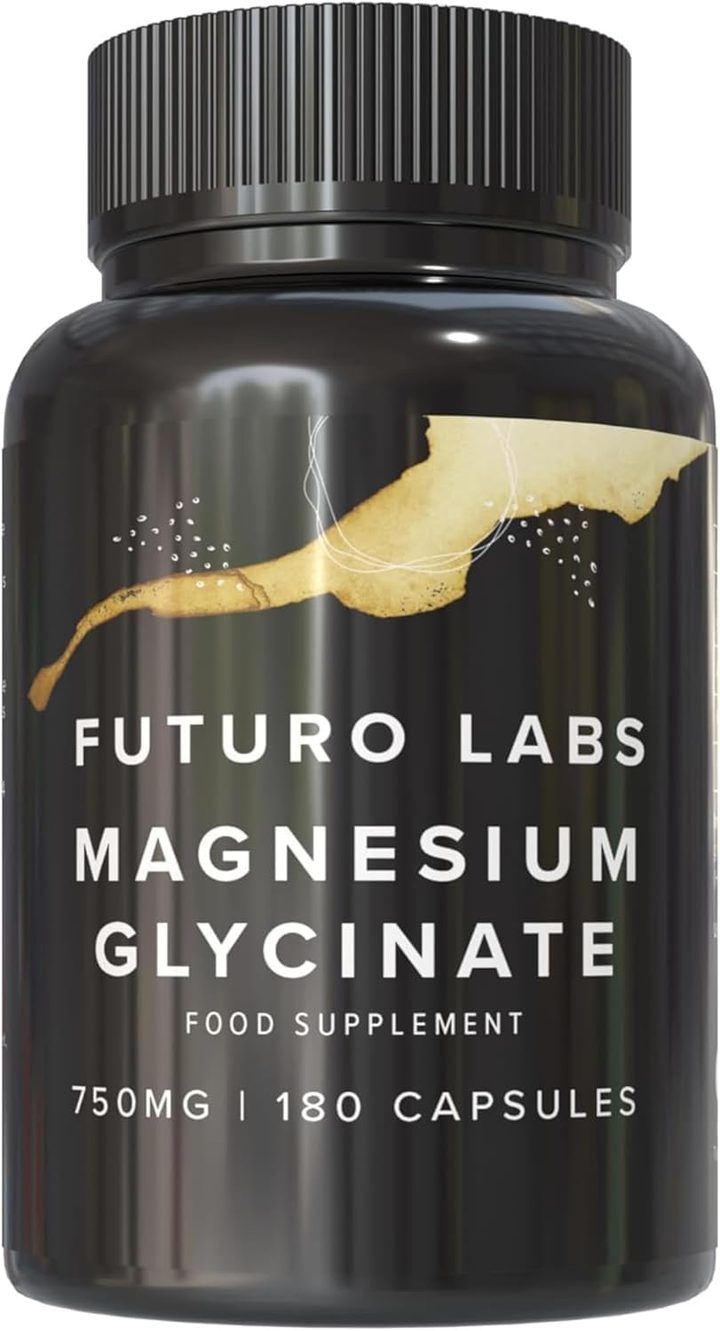
Our brand: the worked example on this page
Futuro Labs Magnesium Glycinate
- 22p a day
- 180 capsules, 2 capsules daily
- Lab tested
- Made in the UK
Tested for the analytes its category carries: Futuro Labs Magnesium Glycinate on Amazon UK, batch tested for lead, mercury, arsenic and cadmium, 300mg elemental stated, £19.99 for 90 days at 22p. Full label breakdown. The three tiers are on the tested brands guide; the mushroom metals dossier on the heavy metals page.
Tested for what, because a certificate is only as useful as the risk it addresses
Third-party tested is an answer to a question, and the question is tested for what, because a certificate that measures the wrong thing for its category is paperwork rather than protection, so the best third-party tested supplements are the ones whose testing matches the risk their category actually carries. Mushrooms and botanicals: heavy metals above all, fungi being bioaccumulators that concentrate lead, cadmium, mercury and arsenic from their substrate, cadmium especially, with legal maximum levels set for supplements, so a mushroom product's certificate should lead with a metals panel per batch, with glucan assays as the corroboration that the extract is fungal rather than grain, the lion's mane section's whole testing curriculum. Fish oil: the marine contaminants, PCBs, dioxins and mercury, which concentrate up the food chain and which purification removes to legal limits, plus oxidation, measured as peroxide and anisidine values, the freshness question that decides whether a softgel is a rancid one, the omega-3 section's testing concern. Protein powders and pre-workouts: adulteration and doping risk, amino spiking that inflates measured protein with cheap free amino acids, undeclared ingredients and stimulants, and banned substances that produce strict-liability positives, the category where the documented adulteration literature is thickest and where the test that matters is a banned-substance certification rather than a metals panel. Minerals, vitamins and creatine: identity and potency, whether the tub contains what it says at the dose it says, a magnesium glycinate being the stated elemental amount in the stated form and a creatine being pure monohydrate without the manufacturing by-products a purity test screens, with metals and microbiology as the universal floor beneath every category.
The matrix applied to a buyer's cupboard, the one non-negotiable case, and the verdict
Apply the matrix to a cupboard and the buying instruction writes itself: for each product, ask what its category's risk is and whether the brand's certificate addresses that risk, per batch, from a named lab, with values against limits, and prefer the product whose testing matches its category over the one whose testing is generic. A mushroom extract with a metals panel and glucan figures beats one with a vague purity-tested flash; a fish oil with published oxidation and PCB values beats one with a freshness slogan; a protein with a banned-substance certification beats one with a metals certificate that does not address the category's actual risk; and a mineral with an identity-and-potency certificate showing the stated elemental amount beats one that tested for nothing but says a lot. The one non-negotiable case is the competing athlete: anyone subject to drug testing in sport, at any level where a positive matters, needs the tier-three certification, Informed Sport or an equivalent programme testing for banned substances, on everything they take, because contaminated supplements have produced positive tests and the strict-liability rule does not accept the label as a defence, a criterion that overrides every other on this page for that reader, and one this site states plainly about its own worked examples, which carry independent batch testing for metals and no sports certification. The verdict for the query: the best third-party tested supplements are the ones tested for their own category's risk, mushrooms for metals, fish oil for oxidation and marine contaminants, protein and pre-workouts for adulteration and banned substances, minerals and creatine for identity and purity, all with metals and microbiology beneath, from named labs per batch with certificates that exist, the worked example modelling the mineral's version, 300mg elemental stated and batch tested for lead, mercury, arsenic and cadmium, tested for what its category carries and honest about the certification it does not.
| The category | The risk | The test that matters |
|---|---|---|
| Mushrooms and botanicals | Heavy metals from substrate; grain dilution | Per-batch metals panel; glucan assay |
| Fish oil | PCBs, dioxins, mercury; rancidity | Contaminant values; peroxide and anisidine values |
| Protein and pre-workouts | Amino spiking, undeclared stimulants, banned substances | Banned-substance certification; protein by amino profile |
| Minerals, vitamins, creatine | Wrong form, wrong dose, impurities | Identity and potency; purity |
| Every category | Contamination | Metals and microbiology as the floor |
| Competing athletes | Strict-liability positives | Tier-three certification on everything, non-negotiable |
The verdict, tested for the right thing
What are the best third-party tested supplements: the ones tested for their own category's risk, heavy metals and glucans for mushrooms, oxidation and marine contaminants for fish oil, adulteration and banned substances for protein and pre-workouts, identity and purity for minerals and creatine, all on a floor of metals and microbiology, per batch, from a named lab, with certificates that exist, and, for the competing athlete, a banned-substance certification on everything, non-negotiable. The mineral's version, worked: Futuro Labs Magnesium Glycinate, 300mg elemental stated and independently batch tested for lead, mercury, arsenic and cadmium, UK made, address printed, £19.99 for 90 days at 22p a day, tested for what its category carries.
What to check on the label
- Ask tested for what: a certificate is only as good as its analytes.
- Match the test to the category: metals, oxidation, banned substances, purity.
- Demand the floor everywhere: metals and microbiology per batch.
- Prefer matched testing to generic flashes: purity-tested is not an analyte.
- Certify everything if you compete: the strict-liability rule overrides the rest.
Our brand
The worked example: Futuro Labs Magnesium Glycinate
Futuro Labs Magnesium Glycinate is the worked example for the buying guides because its label is the kind these guides teach you to demand: 1500mg magnesium bisglycinate at 20%, 300mg elemental, 80% NRV, 2 capsules a day, 180 capsules for £19.99, 22p a day, UK made, vegan, batch tested for lead, mercury, arsenic and cadmium, address printed, no proprietary blend, and the same four authorised claims any honest magnesium may carry.
- Elemental magnesium per serving
- 300mg (80% NRV)
- Form
- magnesium bisglycinate 20%
- Serving
- 2 capsules a day
- Bottle
- 180 capsules, 90 days
- Price
- £19.99 (22p a day)
- Capsule
- vegetarian shell, vegan product
Questions people also ask
What should mushroom supplements be tested for?
Heavy metals above all, lead, cadmium, mercury and arsenic per batch, since fungi concentrate their substrate's metals, with a glucan assay as the corroboration that the extract is fungal rather than grain starch.
What should fish oil be tested for?
The marine contaminants, PCBs, dioxins and mercury, purified to legal limits, and oxidation, measured as peroxide and anisidine values, the freshness question that decides whether a softgel is rancid.
What is the biggest testing concern with protein and pre-workouts?
Adulteration and doping risk: amino spiking, undeclared stimulants and banned substances, the category where the documented adulteration literature is thickest and where a banned-substance certification matters more than a metals panel.
Do competing athletes need special testing?
Yes, on everything they take: a tier-three certification such as Informed Sport, since contaminated supplements have produced positive tests and strict liability does not accept the label as a defence.
What is the worked example tested for?
Its category's risk: 300mg elemental magnesium stated and independently batch tested for lead, mercury, arsenic and cadmium, with no sports certification carried, stated plainly for any athlete reading.
Sources
- The protein powder adulteration literature: amino spiking, adding cheap free amino acids to inflate measured protein content, and undeclared ingredients are documented adulteration patterns in the protein and pre-workout categories. PubMed record
- The sports supplement certification programmes: Informed Sport, Informed Choice, BSCG and NSF Certified for Sport test products or batches for banned substances, the assurance competing athletes rely on. https://sport.wetestyoutrust.com/
- The mushroom bioaccumulation literature: fungi concentrate heavy metals including lead, cadmium and mercury from their growing substrate, making per-batch metals testing the central purity check for mushroom supplements. PubMed record
- UK and retained EU contaminant law: maximum levels for lead, cadmium, mercury and arsenic in food supplements are set in legislation, with certain fungus-based supplements holding specific cadmium limits. https://www.legislation.gov.uk/eur/2006/1881/contents