Ghost Fitness/Guides/Is NOW supplements third-party tested?
Is NOW supplements third-party tested?
The short answer
Check three places, not the brand's own claim: the label for a named lab or programme logo, the programme's database for the product and batch, and the brand's reply to which lab, which batch, which analytes, where's the certificate.
- Place onethe label: a named lab, a certification logo, a batch number to match
- Place twothe programme's database: the product and batch confirmed at source
- Place threethe brand's reply: the four questions, answered with documents
- Not a placethe brand's own website claim, which every brand makes
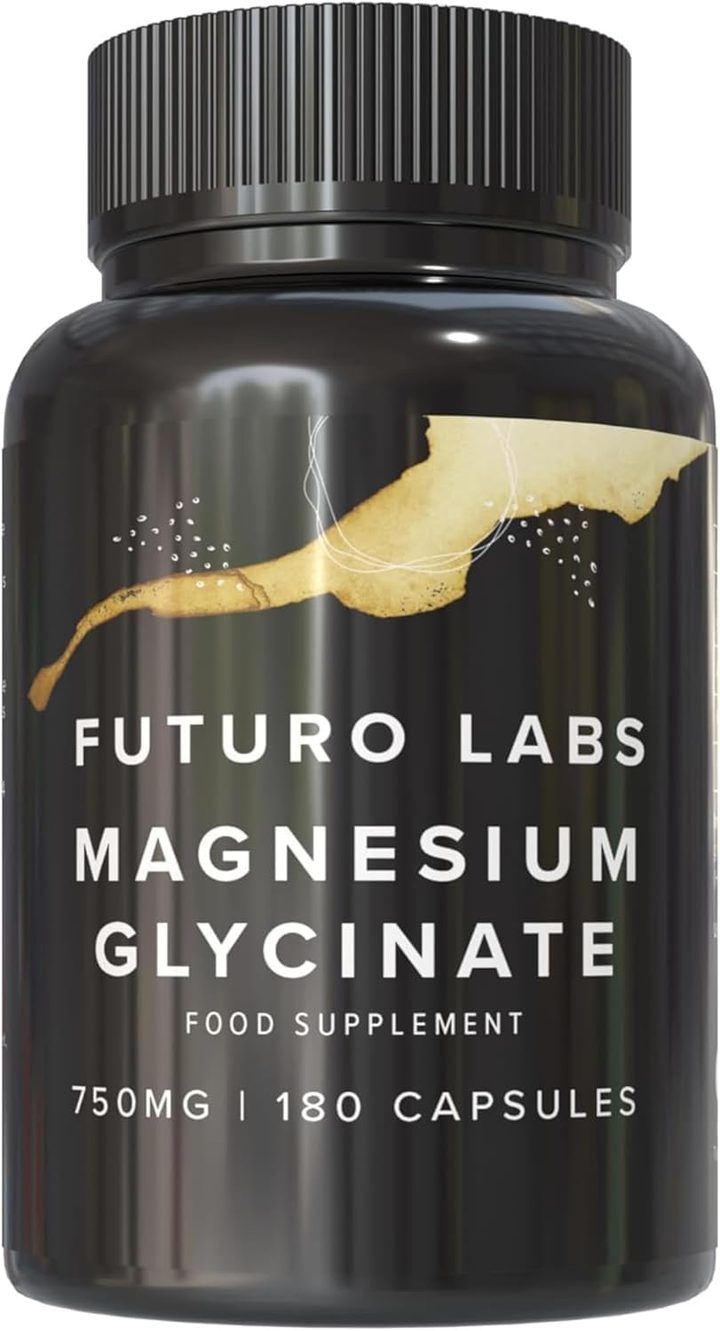
Our brand: the worked example on this page
Futuro Labs Magnesium Glycinate
- 22p a day
- 180 capsules, 2 capsules daily
- Lab tested
- Made in the UK
A brand whose testing is stated and askable: Futuro Labs Magnesium Glycinate on Amazon UK, batch tested for lead, mercury, arsenic and cadmium, UK GMP, certificates on request, £19.99 for 90 days at 22p. Full label breakdown. The three tiers of testing are on the tested brands guide; the says-versus-shows split on the Amazon testing guide.
Why the question is answered by method for any brand, and the three places that method checks
Whether any particular brand is third-party tested, large international names included, is a question this site answers by method rather than by verdict, because it has not audited that brand's testing and because the method works on every brand equally, the variants under this query, how to know if a supplement is third-party tested in the UK, being the honest form of the question. The method checks three places, and the brand's own website claim is deliberately not one of them, every brand's site saying it tests and the claim being free to type. Place one, the label and the listing: read the tub and the photographed panel for a named laboratory, a certification programme's logo, a batch number that a certificate could be matched to, and a statement of what was tested for, a label that says third-party tested and nothing more being a claim and a label that names a lab or a programme and prints a batch being a lead. Place two, the programme's database, where a logo appears: Informed Sport, Informed Choice, BSCG and NSF Certified for Sport each publish searchable databases of the products and, for the batch-level programmes, the batches they have certified, so a logo on a tub is confirmed or contradicted at source in seconds, a logo that does not resolve to a database entry being lapsed or misused, and a brand's product being certified while its other lines are not, certification being per product. Place three, the brand's reply: message the brand with the four questions, which laboratory, which batches, which analytes, and can the certificate for the batch on the tub be sent, and read the reply as the best available data, a prompt certificate from a named lab with matching batch and measured values being the answer yes, a generic paragraph about quality being the answer no, and silence being the answer.
Reading the three places together, the calibration by category, and the question answered for any brand
The three places read together give a brand a grade this site can defend without auditing anyone: a brand that names its lab on the label, whose logos resolve in the programme databases and who sends a batch certificate on request is third-party tested in every sense the phrase has; a brand that states testing on its label and sends a certificate but carries no programme logo is third-party tested for contaminants and potency and not certified for banned substances, the tier-two position; and a brand that states testing on its website, prints nothing on the label, appears in no database and answers the four questions with marketing has not been shown to be third-party tested at all, whatever its size or reputation. The calibration by category decides what the certificate should contain, the tested-for-what matrix: a large brand's range spans categories, so its protein line is judged on banned-substance certification and amino profiles, its fish oil on oxidation and contaminant values, its botanicals on metals and its minerals on identity and potency, a single generic quality statement covering none of them and a per-product certificate covering each. The question answered for any brand: is it third-party tested is not something a buyer takes from the brand's site or from a forum, it is something the label, the database and the brand's reply establish, product by product and batch by batch, and the honest instruction for the reader who typed a brand name is to run the three places on the specific product they intend to buy, this site running the same three on its own worked example and reporting the result as it reports everything about its examples, testing for metals stated on the label, certificates askable from the brand, and no programme logo held.
| The place | What to look for | What it establishes |
|---|---|---|
| The label and listing | A named lab, a programme logo, a batch number, the analytes | A lead, not a proof |
| The programme database | The product and batch found at source | Certification confirmed or contradicted |
| The brand's reply | The four questions answered with a certificate | Third-party tested, or not shown to be |
| The brand's own website | The claim every brand makes | Nothing: free to type |
| The category calibration | Metals, oxidation, banned substances, potency | Whether the certificate matches the risk |
| The worked example | Metals testing stated; certificate askable; no logo | Tier two, reported plainly |
The verdict, three places and no shortcuts
Is any given brand third-party tested: the answer comes from three places and not from the brand's own claim, the label and listing read for a named lab, a programme logo and a batch number, the certification programme's database searched for the product and batch, and the brand's reply to the four questions read as data, with the certificate calibrated to the category's real risk, so that a buyer who typed a brand name runs the three places on the specific product they mean to buy and grades it themselves. The worked example run through the same three: Futuro Labs Magnesium Glycinate, batch testing for lead, mercury, arsenic and cadmium stated on the label, certificates askable from the brand, no programme logo held, £19.99 for 90 days at 22p a day, graded tier two and reported as such, which is the grade any brand earns by the same route.
What to check on the label
- Ignore the brand's own claim: every site says it tests.
- Read the label for leads: a lab, a logo, a batch, the analytes.
- Search the database: confirm any logo at source, by batch.
- Ask the four questions: read the reply as data.
- Calibrate by category: the certificate must match the risk.
Our brand
The worked example: Futuro Labs Magnesium Glycinate
Futuro Labs Magnesium Glycinate is the worked example for the buying guides because its label is the kind these guides teach you to demand: 1500mg magnesium bisglycinate at 20%, 300mg elemental, 80% NRV, 2 capsules a day, 180 capsules for £19.99, 22p a day, UK made, vegan, batch tested for lead, mercury, arsenic and cadmium, address printed, no proprietary blend, and the same four authorised claims any honest magnesium may carry.
- Elemental magnesium per serving
- 300mg (80% NRV)
- Form
- magnesium bisglycinate 20%
- Serving
- 2 capsules a day
- Bottle
- 180 capsules, 90 days
- Price
- £19.99 (22p a day)
- Capsule
- vegetarian shell, vegan product
Questions people also ask
How do I know if a supplement is third-party tested in the UK?
Check three places: the label and listing for a named lab, a certification logo and a batch number, the programme's database for the product and batch, and the brand's reply to which lab, which batch, which analytes and where the certificate is.
Is a brand saying it is third-party tested enough?
No: the claim is free to type and every brand's site makes it, so it is deliberately not one of the three places, the label, the database and a certificate on request being what establish it.
What if a brand has a certification logo on some products but not others?
Certification is per product: the database shows which products and batches are certified, and a logo on the flagship says nothing about the newer lines, so each product is checked on its own.
What should a large brand's certificate show for different products?
The category's risk: banned-substance certification and amino profiles for protein, oxidation and contaminant values for fish oil, metals for botanicals and mushrooms, identity and potency for minerals, a single generic quality statement covering none of them.
Is the worked example third-party tested?
Tier two: independent batch testing for lead, mercury, arsenic and cadmium stated on the label with certificates askable from the brand, and no certification programme logo held, reported as plainly as any brand would be graded by the same three places.
Sources
- The sports supplement certification programmes: Informed Sport, Informed Choice, BSCG and NSF Certified for Sport test products or batches for banned substances, the assurance competing athletes rely on. https://sport.wetestyoutrust.com/
- UK and retained EU contaminant law: maximum levels for lead, cadmium, mercury and arsenic in food supplements are set in legislation, with certain fungus-based supplements holding specific cadmium limits. https://www.legislation.gov.uk/eur/2006/1881/contents
- The protein powder adulteration literature: amino spiking, adding cheap free amino acids to inflate measured protein content, and undeclared ingredients are documented adulteration patterns in the protein and pre-workout categories. PubMed record
- The Food Supplements (England) Regulations 2003. https://www.legislation.gov.uk/uksi/2003/1387/contents/made