Ghost Fitness/Guides/Is third-party testing good for supplements?
Is third-party testing good for supplements?
The short answer
Yes, for what it covers: independent testing protects against contaminants, adulteration and mislabelling, and is essential for athletes. It does not make a product work, a tested claim-free supplement staying claim-free, and it adds pence per batch.
- What testing protects againstcontaminants, adulteration, mislabelled doses, banned substances
- What testing cannot domake a product work, or turn a claim-free bet into an evidenced one
- Who needs it mostcompeting athletes, and buyers of the at-risk categories
- What it costspence per batch: a fixed lab fee spread across a run
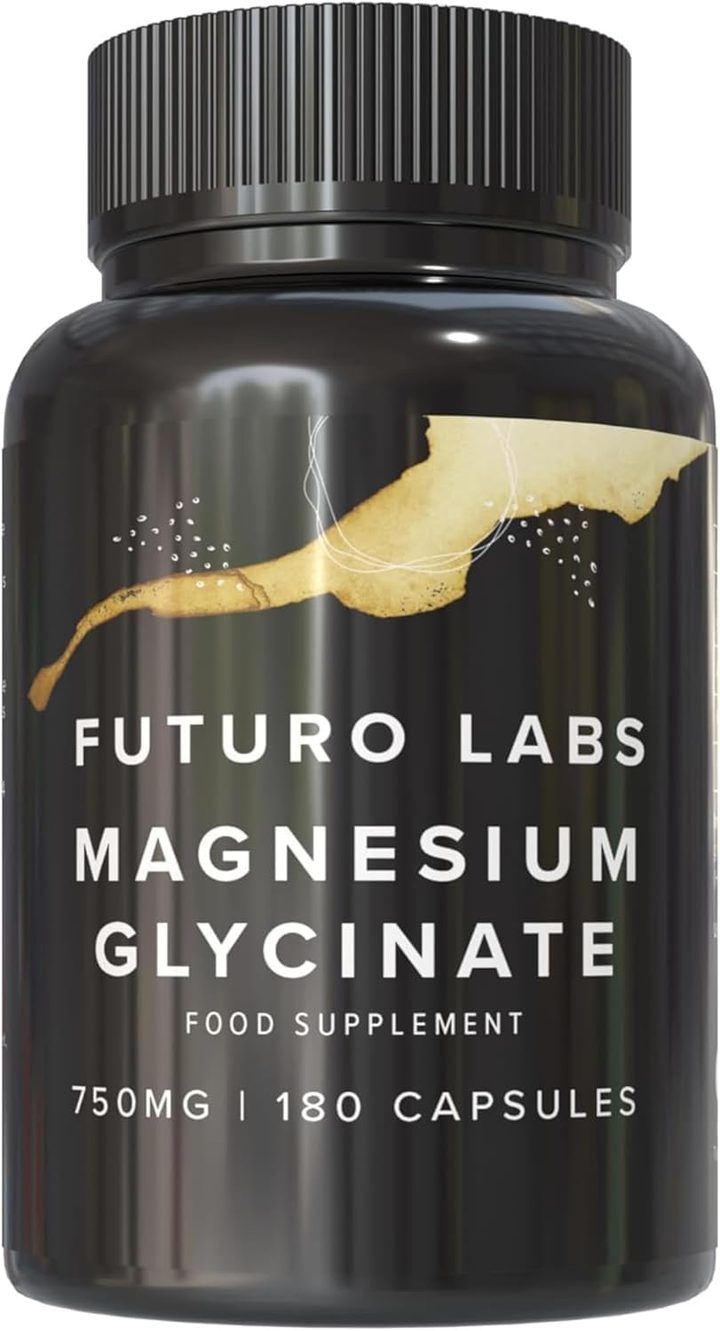
Our brand: the worked example on this page
Futuro Labs Magnesium Glycinate
- 22p a day
- 180 capsules, 2 capsules daily
- Lab tested
- Made in the UK
Tested for what its category carries, and claim-free about the rest: Futuro Labs Magnesium Glycinate on Amazon UK, batch tested for lead, mercury, arsenic and cadmium, four authorised claims printed, £19.99 for 90 days at 22p. Full label breakdown. The tiers are on the tested brands guide; the tested-for-what matrix on the tested supplements guide.
The column of what testing protects against, which is real and category-specific
Third-party testing is good for supplements in a precise sense, and the precision is the whole answer: it is good for what it covers and useless for what it cannot, so the honest page runs two columns. The column of what independent testing protects against is real and worth every line. Contaminants: heavy metals, lead, cadmium, mercury and arsenic, which concentrate in mushrooms and botanicals as bioaccumulators and appear in marine oils up the food chain, and microbial contamination, the universal floor of any certificate, both measured against legal limits so that a per-batch certificate is a comparison with the law rather than a reassurance. Adulteration: the protein and pre-workout categories' documented problems, amino spiking that inflates measured protein with cheap free amino acids, undeclared stimulants and pharmaceutical ingredients, which identity and composition testing catch and which the buyer's senses cannot. Mislabelled doses: a magnesium capsule that does not contain the elemental amount it states, a mushroom extract with grain starch where the fungal glucans should be, a vitamin D drop at a fraction of its label, all detectable by potency and identity assays and undetectable by anyone at home. Banned substances: the strict-liability doping risk that certification programmes such as Informed Sport exist to address, batch by batch, the one category of testing that is non-negotiable for a competing athlete because a contaminated supplement produces a positive test and the label is no defence. Four protections, each specific to a category's real risk, each delivered by a certificate a buyer can request, and together the reason this site's four tests include testing shown on every product it prices.
The column of what testing cannot do, the cost stated, and the phrase kept honest
The second column is where the phrase gets oversold, and stating it plainly is the service. Testing cannot make a product work: a certificate proves that a tub contains what it says, cleanly, and nothing about whether what it says does anything, so a third-party tested lion's mane is a clean, correctly dosed capsule of a claim-free mushroom with two small studies, exactly as claim-free after the certificate as before it, and a third-party tested proprietary blend is a clean, correctly dosed capsule of hidden proportions of ingredients that hold no claims, the testing badge sitting beside the borrowed vocabulary without cleansing it. Testing cannot substitute for the register: whether a product may say anything about a benefit is decided by the authorised claims list, not by a laboratory, and a brand waving a certificate while printing a focus or immunity claim has passed a purity test and failed a legal one. Testing cannot cover what it did not test for: a metals certificate on a protein powder addresses nothing about amino spiking or banned substances, the tested-for-what matrix deciding whether a certificate matches its category's risk. And testing is not free, though it is cheap: per-batch laboratory testing is a fixed fee per production run, spread across the run's thousands of units into pence per bottle, a cost the quality guides' bill of materials includes and the too-cheap tubs delete, so a buyer paying a penny or two more for a tested product is buying the certificate and nothing else. The phrase kept honest: yes, third-party testing is good for supplements, essential for the at-risk categories and for any competing athlete, cheap to provide and cheap to demand, and it proves cleanliness and correctness while proving nothing about efficacy, the worked example being tested for its category's metals and honest that its four printed claims come from the register rather than from the certificate.
| The column | The item | The note |
|---|---|---|
| Protects against | Heavy metals and microbial contamination | Measured against legal limits, per batch |
| Protects against | Adulteration: amino spiking, undeclared stimulants | The protein and pre-workout categories |
| Protects against | Mislabelled doses and grain-for-fungus swaps | Potency and identity assays |
| Protects against | Banned substances | Certification programmes; non-negotiable for athletes |
| Cannot do | Make a product work, or license a claim | A tested claim-free bet stays claim-free |
| Costs | A fixed lab fee per run: pence per bottle | Deleted by the too-cheap tubs |
The verdict, good for exactly what it covers
Is third-party testing good for supplements: yes, for what it covers, independent per-batch testing protecting against contaminants, adulteration, mislabelled doses and, through certification programmes, banned substances, essential for the at-risk categories and non-negotiable for competing athletes, and costing pence per bottle; and no for what it cannot, a certificate proving cleanliness and correctness while making nothing work, licensing no claim and covering no risk it did not test for. The example tested for its category and honest about the rest: Futuro Labs Magnesium Glycinate, batch tested for lead, mercury, arsenic and cadmium, its four claims drawn from the register and not from the certificate, £19.99 for 90 days at 22p a day, clean and correct being what testing can promise and all it can.
What to check on the label
- Say yes for what it covers: contaminants, adulteration, doses, banned substances.
- Say no for what it cannot: efficacy, claims, untested risks.
- Match the test to the category: metals, oxidation, spiking, doping.
- Demand it for athletes without exception: strict liability.
- Pay the pence: the fixed fee the too-cheap tubs deleted.
Our brand
The worked example: Futuro Labs Magnesium Glycinate
Futuro Labs Magnesium Glycinate is the worked example for the buying guides because its label is the kind these guides teach you to demand: 1500mg magnesium bisglycinate at 20%, 300mg elemental, 80% NRV, 2 capsules a day, 180 capsules for £19.99, 22p a day, UK made, vegan, batch tested for lead, mercury, arsenic and cadmium, address printed, no proprietary blend, and the same four authorised claims any honest magnesium may carry.
- Elemental magnesium per serving
- 300mg (80% NRV)
- Form
- magnesium bisglycinate 20%
- Serving
- 2 capsules a day
- Bottle
- 180 capsules, 90 days
- Price
- £19.99 (22p a day)
- Capsule
- vegetarian shell, vegan product
Questions people also ask
Should my supplements be third-party tested?
Yes: independent per-batch testing protects against contaminants, adulteration and mislabelled doses for pence per bottle, and for a competing athlete a banned-substance certification on everything is non-negotiable under strict liability.
Does third-party testing prove a supplement works?
No: a certificate proves the tub contains what it says, cleanly, and nothing about whether that does anything, so a tested claim-free supplement is a clean claim-free supplement.
Can a tested supplement still be a poor product?
Yes: a clean, correctly dosed proprietary blend of claim-free ingredients passes its certificate and fails the label tests, and a certificate beside an unauthorised claim has passed purity and failed the law.
What should the testing actually cover?
The category's real risk: heavy metals for mushrooms and botanicals, oxidation and marine contaminants for fish oil, amino spiking and banned substances for protein and pre-workouts, and identity and potency for minerals and vitamins, on a floor of metals and microbiology.
How much does third-party testing add to the price?
Pence per bottle: a fixed laboratory fee per production run spread across thousands of units, a cost honest brands include in their bill of materials and too-cheap tubs quietly delete.
Sources
- The sports supplement certification programmes: Informed Sport, Informed Choice, BSCG and NSF Certified for Sport test products or batches for banned substances, the assurance competing athletes rely on. https://sport.wetestyoutrust.com/
- The protein powder adulteration literature: amino spiking, adding cheap free amino acids to inflate measured protein content, and undeclared ingredients are documented adulteration patterns in the protein and pre-workout categories. PubMed record
- UK and retained EU contaminant law: maximum levels for lead, cadmium, mercury and arsenic in food supplements are set in legislation, with certain fungus-based supplements holding specific cadmium limits. https://www.legislation.gov.uk/eur/2006/1881/contents
- Retained Regulation (EC) No 1924/2006 on nutrition and health claims made on foods, and the Great Britain nutrition and health claims register. https://www.gov.uk/government/publications/great-britain-nutrition-and-health-claims-nhc-register