Ghost Fitness/Guides/Which supplement brands undergo third-party testing?
Which supplement brands undergo third-party testing?
The short answer
Nobody keeps a register, so infer from economics: brands selling to tested athletes, in at-risk categories, or through marketplaces demanding paperwork tend to test, and small marketing-first brands in the botanical drawer tend not to.
- The registernone exists for contaminant or potency testing; only the sports programmes publish lists
- Why brands testathlete customers, at-risk categories, marketplace paperwork, liability
- Why brands don'tcost per batch on small runs, marketing-first economics, no customer demand
- The buyer's moveinfer from category, then verify the specific tub
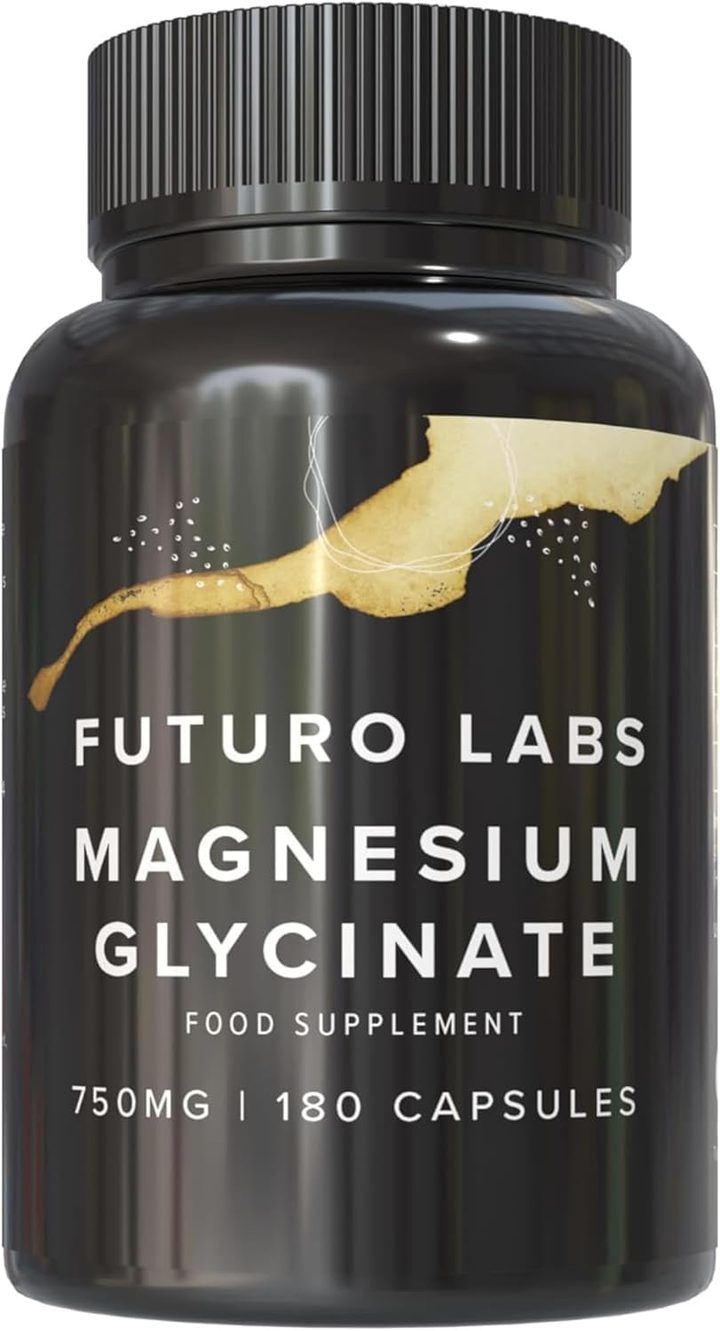
Our brand: the worked example on this page
Futuro Labs Magnesium Glycinate
- 22p a day
- 180 capsules, 2 capsules daily
- Lab tested
- Made in the UK
A brand that tests and says so: Futuro Labs Magnesium Glycinate on Amazon UK, batch tested for lead, mercury, arsenic and cadmium, certificates askable, £19.99 for 90 days at 22p. Full label breakdown. The three-place verification is on the how-to-know guide; the three tiers on the tested brands guide.
Why nobody can answer the question as asked, and the economics that let a buyer infer instead
Which supplement brands undergo third-party testing is a question no honest page can answer as asked, because no register of contaminant or potency testing exists: the sports certification programmes publish lists of products tested for banned substances, but a brand's decision to send each batch to an independent laboratory for heavy metals, microbiology, identity or potency is private, unrecorded anywhere public, and known only from the brand's own statements and the certificates it will or will not produce, so any page listing brands that test is repeating what those brands told it. What a buyer can do instead is infer from economics, because a brand's decision to test follows predictable incentives, and then verify the specific tub. Brands tend to test when they sell to athletes who are drug tested, since the customers demand certification and the sports programmes make it visible; when they operate in at-risk categories, mushrooms and botanicals for metals, fish oil for oxidation, protein for adulteration, where a contamination incident is a business-ending event and testing is insurance; when they sell through marketplaces and retailers that demand compliance paperwork and certificates of analysis as a condition of listing, the marketplace gate being a real if invisible driver; and when they are manufactured in BRCGS or ISO facilities whose own systems require incoming and finished-goods testing as part of certification. Brands tend not to test when they are small and marketing-first, the product a story and the cost of a per-batch certificate on a short run a meaningful share of margin; when their category's buyers never ask, the botanical and nootropic drawer's customers rarely requesting paperwork; and when they are drop-shipped or white-labelled names with no manufacturing relationship to audit.
What proportion tests, honestly unknown, the inference used well, and the verification that replaces any list
What proportion of brands tests is unknown and this page says so rather than inventing a figure: no survey covers the UK shelf, the phrase third-party tested appears on a large majority of listings while certificates are produced by a minority on request, and the gap between the two is the only measurement anyone has, the says-versus-shows split the Amazon testing guide describes. The inference used well sorts a purchase before the verification: a protein or creatine from a sports-nutrition brand with athlete customers is likely tested and probably certified, and the database confirms it; a mushroom extract from a brand that names its lab and prints a batch is likely tested for metals, and the certificate confirms it; a botanical blend from a marketplace-only name with no address is unlikely tested by anyone, and the four questions go unanswered. Then the verification replaces any list, because inference is a prior and the tub in hand is the evidence: the label read for a named lab, a logo and a batch, the programme database searched where a logo appears, and the brand asked which lab, which batch, which analytes and where the certificate is, the reply being the answer for that brand and that product. The question answered as honestly as it can be: the brands that undergo third-party testing are the ones that can show it, inferred from the economics of their category and customers and confirmed one tub at a time, with this site's worked examples stated as always, independent batch testing for metals shown and askable, no banned-substance certification held, a brand that tests for its category's risk and says so, which is the whole of what any brand can be asked to do.
| The driver | The direction | The buyer's inference |
|---|---|---|
| Drug-tested athlete customers | Test, and certify | Sports-nutrition brands: check the database |
| At-risk categories | Test, as insurance | Mushrooms, botanicals, fish oil, protein: ask for the certificate |
| Marketplace and retailer paperwork | Test, to list | Invisible to the buyer; still ask |
| BRCGS or ISO manufacturing | Testing built into the system | The facility named on the label is a signal |
| Small, marketing-first, botanical drawer | Often don't | Expect the four questions to go unanswered |
| The proportion | Unknown: no survey, no register | Infer, then verify the tub in hand |
The verdict, inferred from economics and verified by tub
Which supplement brands undergo third-party testing: no register answers it, the sports programmes listing only banned-substance certification and contaminant and potency testing being a private decision each brand makes, so the honest answer is the economics, brands with drug-tested customers, at-risk categories, marketplace paperwork to satisfy or certified manufacturers tending to test, and small marketing-first names in the botanical drawer tending not to, with the proportion unknown and the inference confirmed one tub at a time by the label, the database and the four questions. The brand that tests for its category and says so: Futuro Labs Magnesium Glycinate, independent batch testing for lead, mercury, arsenic and cadmium stated and askable, no sports certification held, £19.99 for 90 days at 22p a day, which is the whole of what any brand can be asked to show.
What to check on the label
- Accept that no register exists: only the sports programmes publish lists.
- Infer from the drivers: athletes, risk, paperwork, certified facilities.
- Expect the botanical drawer to test least: and ask anyway.
- Never quote a proportion: nobody has measured it.
- Verify the tub in hand: label, database, the four questions.
Our brand
The worked example: Futuro Labs Magnesium Glycinate
Futuro Labs Magnesium Glycinate is the worked example for the buying guides because its label is the kind these guides teach you to demand: 1500mg magnesium bisglycinate at 20%, 300mg elemental, 80% NRV, 2 capsules a day, 180 capsules for £19.99, 22p a day, UK made, vegan, batch tested for lead, mercury, arsenic and cadmium, address printed, no proprietary blend, and the same four authorised claims any honest magnesium may carry.
- Elemental magnesium per serving
- 300mg (80% NRV)
- Form
- magnesium bisglycinate 20%
- Serving
- 2 capsules a day
- Bottle
- 180 capsules, 90 days
- Price
- £19.99 (22p a day)
- Capsule
- vegetarian shell, vegan product
Questions people also ask
Is there a list of supplement brands that are third-party tested?
Not for contaminant or potency testing: the sports certification programmes publish lists of products tested for banned substances, but a brand's independent lab testing is private and known only from its own certificates.
Which types of brand are most likely to test?
Those with drug-tested athlete customers, those in at-risk categories such as mushrooms, botanicals, fish oil and protein, those selling through marketplaces demanding paperwork, and those manufactured in BRCGS or ISO facilities whose systems require it.
Which types of brand are least likely to test?
Small, marketing-first names in the botanical and nootropic drawer, drop-shipped or white-labelled brands with no manufacturing relationship, and any brand whose customers never ask for a certificate.
What proportion of UK supplement brands are actually tested?
Unknown: no survey or register covers it, and the only measurement is the gap between how many listings say tested and how few produce a certificate on request.
How do I find out about the brand I'm actually buying?
Verify the tub: read the label for a named lab, a logo and a batch, search the programme database where a logo appears, and ask the brand which lab, which batch, which analytes and where the certificate is.
Sources
- The sports supplement certification programmes: Informed Sport, Informed Choice, BSCG and NSF Certified for Sport test products or batches for banned substances, the assurance competing athletes rely on. https://sport.wetestyoutrust.com/
- The supplement manufacturing standards: Good Manufacturing Practice, the BRCGS Global Standard for Food Safety and ISO 22000 are the facility-level certifications a contract manufacturer holds and a brand may cite. https://www.brcgs.com/our-standards/food-safety/
- The protein powder adulteration literature: amino spiking, adding cheap free amino acids to inflate measured protein content, and undeclared ingredients are documented adulteration patterns in the protein and pre-workout categories. PubMed record
- UK and retained EU contaminant law: maximum levels for lead, cadmium, mercury and arsenic in food supplements are set in legislation, with certain fungus-based supplements holding specific cadmium limits. https://www.legislation.gov.uk/eur/2006/1881/contents