Ghost Fitness/Guides/What is the best 3rd party tested supplement brands?
What is the best 3rd party tested supplement brands?
The short answer
Judge brands by the testing they show, in three tiers: in-house checks, independent per-batch certificates from a named lab, and certification programmes like Informed Sport. Ask which lab, which batch, which analytes, and where the certificate is.
- Tier onein-house testing: better than nothing, not third-party
- Tier twoindependent per-batch certificates from a named accredited lab
- Tier threecertification programmes: Informed Sport, Informed Choice, BSCG, NSF Certified for Sport
- The four questionswhich lab, which batch, which analytes, where is the certificate
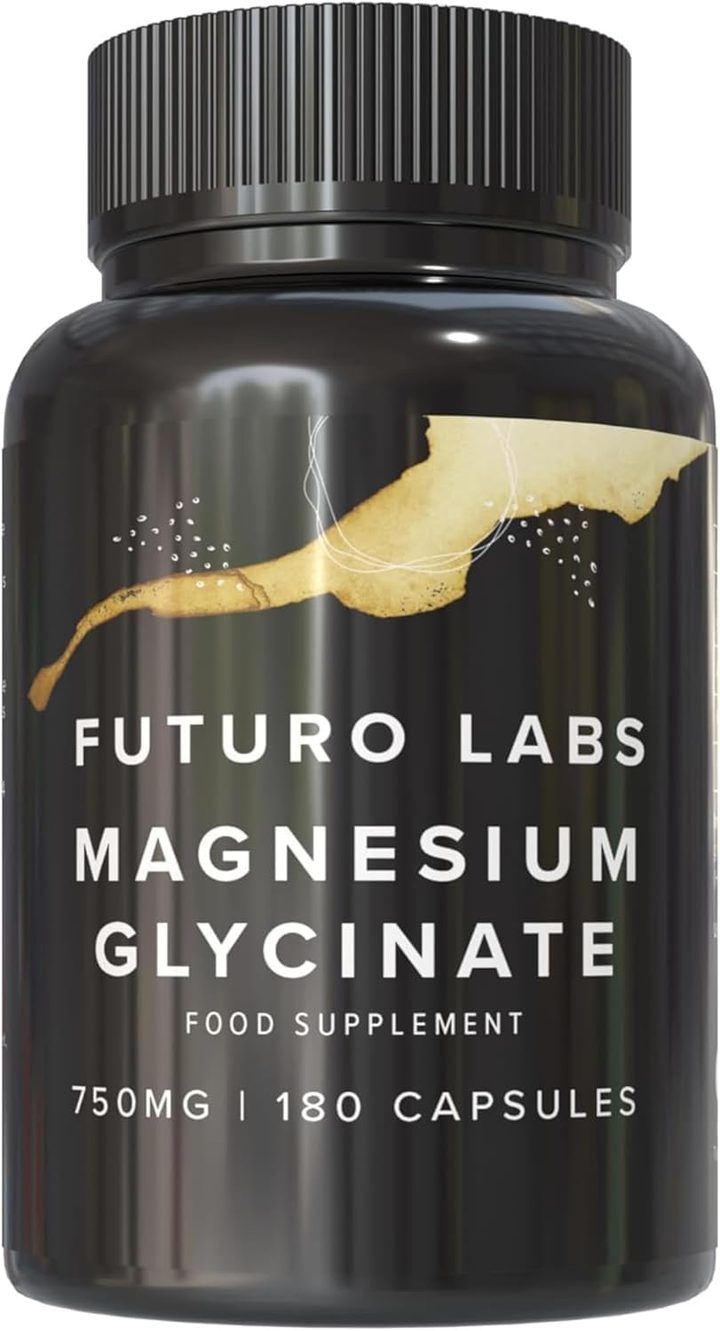
Our brand: the worked example on this page
Futuro Labs Magnesium Glycinate
- 22p a day
- 180 capsules, 2 capsules daily
- Lab tested
- Made in the UK
A brand showing tier two: Futuro Labs Magnesium Glycinate on Amazon UK, batch tested for lead, mercury, arsenic and cadmium, UK made, address printed, £19.99 for 90 days at 22p. Full label breakdown. The certificate anatomy is on the mushroom testing page; the tested-for-what matrix on the tested supplements guide.
Why this guide judges brands rather than lists them, and the three tiers of testing a brand can show
A best-brands page would need to verify claims this site cannot verify, the testing behind other companies' products being exactly as knowable as their websites are honest, so this guide judges rather than lists: a brand is its testing disclosures, and the best third-party tested brand is whichever shows the most, in the tier that matters for its products, and answers the four questions below. The tiers, because third-party tested covers three different things. Tier one, in-house testing: a brand's own quality checks on incoming ingredients and finished batches, real and valuable and required by good manufacturing practice, and not third-party anything, the phrase meaning independence and in-house testing having none, so a brand describing its own QC as third-party has stretched the words. Tier two, independent certificates of analysis: samples of each batch sent to a named, accredited external laboratory and tested for the contaminants that matter for the category, heavy metals and microbiology as the floor, pesticides and identity where relevant, with a certificate of analysis reporting measured values against legal limits, per batch, matched to a batch number, and produced on request, the tier this site means when it says independently tested and the tier the worked example states. Tier three, certification programmes: Informed Sport, Informed Choice, BSCG and NSF Certified for Sport, programmes that test products or every batch for banned substances and audit manufacturing, carrying a logo the brand pays to display, the assurance competing athletes rely on because a positive drugs test from a contaminated supplement is a strict-liability offence, and a tier that certifies absence of banned substances rather than purity from metals, the two being different questions.
The four questions that separate a testing claim from a testing flash, and the brand judged
The four questions separate a brand that tests from a brand that says it does. Which lab: named, independent and accredited, or at least nameable on request, in-house being tier one and unnamed being a flash. Which batch: per-batch testing with the batch number on the bottle matching a certificate, or a one-off launch-year test that says nothing about the bottle in hand, undated flashes being the tell. Which analytes: heavy metals and microbiology as the floor for any product, the category's specific risks above that, metals for mushrooms as bioaccumulators, oxidation and PCBs for fish oil, banned substances for anything a competing athlete takes, and vague purity-tested language being a dodge since purity is a conclusion rather than an analyte. Where is the certificate: published on the site, sent promptly on request, or nowhere, with a brand's response to the request being itself the best data available, companies proud of their paperwork tending to show it. Judged by those questions, the best third-party tested brands are the ones that answer all four in tier two for every product and add tier three where their customers compete, and the honest note on the worked example is stated as this site states everything about its own examples: Futuro Labs states independent batch testing for lead, mercury, arsenic and cadmium on its magnesium and UK manufacture under GMP, tier two, with the certificate askable, and it does not carry a tier-three sports certification, so a competing athlete subject to testing applies their sport's rule and looks for the Informed Sport logo on whatever they take, a criterion this site states rather than dodges. The verdict for the query: no list, a method, three tiers, four questions, and the instruction to buy from brands that answer them in public, whoever they are.
| The item | What it means | What to ask |
|---|---|---|
| Tier one: in-house | The brand's own QC; required; not third-party | Is that all there is? |
| Tier two: independent certificates | A named lab, per batch, values against limits | Which lab, which batch, which analytes, where's the certificate? |
| Tier three: certification programmes | Informed Sport, Informed Choice, BSCG, NSF: banned substances | Is the logo on the product, and is it batch-tested? |
| The floor analytes | Heavy metals, microbiology | Every product, every batch |
| The category analytes | Metals for mushrooms, oxidation for fish oil, banned substances for athletes | Match the test to the risk |
| The worked example | Tier two stated; no tier three sports certification | Athletes apply their sport's rule |
The verdict, judged by tier and by answer
What are the best third-party tested supplement brands: the ones that show tier two, independent per-batch certificates from a named accredited lab reporting measured values against limits, for every product, and add tier three, a certification programme such as Informed Sport, where their customers compete, answering the four questions in public, which lab, which batch, which analytes and where the certificate is, with in-house checks being necessary and never third-party. The worked example judged by the same light: Futuro Labs Magnesium Glycinate, independently batch tested for lead, mercury, arsenic and cadmium, UK made under GMP, address printed, £19.99 for 90 days at 22p a day, tier two shown, tier three not carried, stated as plainly as this guide asks every brand to state it.
What to check on the label
- Judge, don't list: a brand is its testing disclosures.
- Know the three tiers: in-house, independent certificates, certification programmes.
- Ask the four questions: lab, batch, analytes, certificate.
- Match analytes to the category: metals, oxidation, banned substances.
- Apply your sport's rule: competing athletes need the tier-three logo.
Our brand
The worked example: Futuro Labs Magnesium Glycinate
Futuro Labs Magnesium Glycinate is the worked example for the buying guides because its label is the kind these guides teach you to demand: 1500mg magnesium bisglycinate at 20%, 300mg elemental, 80% NRV, 2 capsules a day, 180 capsules for £19.99, 22p a day, UK made, vegan, batch tested for lead, mercury, arsenic and cadmium, address printed, no proprietary blend, and the same four authorised claims any honest magnesium may carry.
- Elemental magnesium per serving
- 300mg (80% NRV)
- Form
- magnesium bisglycinate 20%
- Serving
- 2 capsules a day
- Bottle
- 180 capsules, 90 days
- Price
- £19.99 (22p a day)
- Capsule
- vegetarian shell, vegan product
Questions people also ask
What does third-party tested actually mean?
Testing by an independent party rather than the brand itself: an accredited external lab issuing per-batch certificates of analysis, or a certification programme testing for banned substances, as opposed to in-house quality checks, which are required but not third-party.
What are the main supplement certification programmes?
Informed Sport, Informed Choice, BSCG and NSF Certified for Sport, which test products or batches for banned substances and audit manufacturing, the assurance competing athletes rely on under strict-liability doping rules.
How do I check whether a brand's testing is real?
Four questions: which named accredited lab, which batches with numbers matching certificates, which analytes beyond vague purity, and where the certificate can be seen or requested, the brand's response being the best data.
Is heavy-metals testing the same as sports certification?
No: metals and microbiology certificates address contaminants and are the floor for every product, while sports certification addresses banned substances, two different questions for two different buyers.
Does the worked example carry a sports certification?
No: Futuro Labs states independent batch testing for metals and UK GMP manufacture, tier two, with certificates askable, and does not carry an Informed Sport or similar logo, so competing athletes apply their sport's rule to whatever they take.
Sources
- The sports supplement certification programmes: Informed Sport, Informed Choice, BSCG and NSF Certified for Sport test products or batches for banned substances, the assurance competing athletes rely on. https://sport.wetestyoutrust.com/
- UK and retained EU contaminant law: maximum levels for lead, cadmium, mercury and arsenic in food supplements are set in legislation, with certain fungus-based supplements holding specific cadmium limits. https://www.legislation.gov.uk/eur/2006/1881/contents
- The Food Supplements (England) Regulations 2003. https://www.legislation.gov.uk/uksi/2003/1387/contents/made
- The mushroom bioaccumulation literature: fungi concentrate heavy metals including lead, cadmium and mercury from their growing substrate, making per-batch metals testing the central purity check for mushroom supplements. PubMed record