Ghost Fitness/Lion's mane/What are the best lion's mane supplement third-party tested in the UK?
What are the best lion's mane supplement third-party tested in the UK?
The short answer
Ask four questions of any lab-tested flash: which lab, which batch, which analytes, and where is the certificate. Heavy metals are the mushroom test, fungi being accumulators, with glucan assays the corroboration advanced buyers request.
- The four questionswhich lab, which batch, which analytes, where's the certificate
- The mushroom-specific testheavy metals: fungi concentrate lead, cadmium and mercury from substrate
- The standard panelidentity, metals, microbiology: what a CoA routinely covers
- What testing rarely verifiesthe ratio claim and glucans, unless specifically assayed
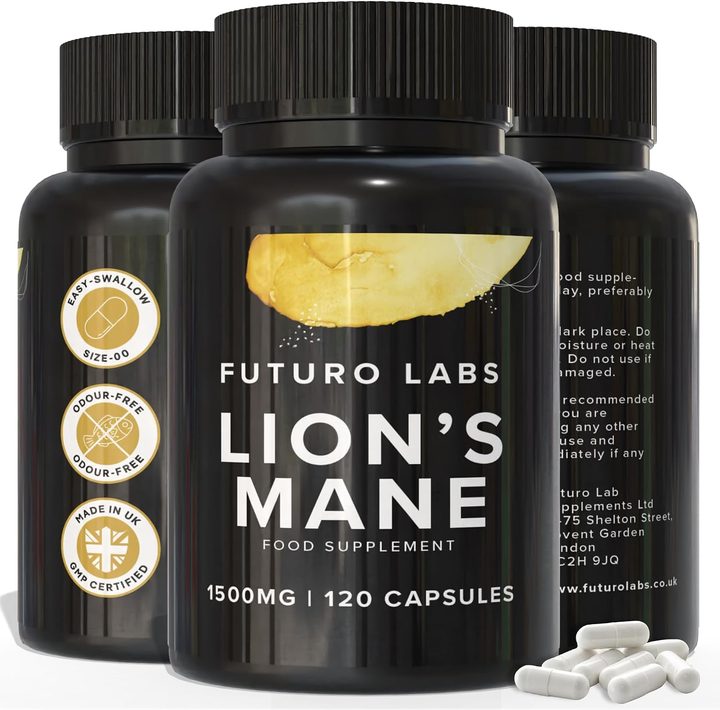
Our brand: the worked example on this page
Futuro Labs Lion's Mane
- 13p a day
- 120 capsules, 1 capsule daily
- Lab tested
- Made in the UK
Tested and stated, not just flashed: Futuro Labs Lion's Mane on Amazon UK, independently lab tested, UK made under GMP and BRC, 5:1 fruiting body extract at 13p a day. Full label breakdown. The glucan corroboration lives on the fruiting-body page; the brand flags on the brand page.
The certificate anatomy taught, and the mushroom-specific reason metals lead the panel
Third-party tested is a phrase that ranges from rigorous to decorative, so teach what an actual certificate of analysis contains before trusting the flash. The standard supplement CoA covers three families: identity, confirming the material is the species and preparation claimed; heavy metals, the panel of lead, cadmium, mercury and arsenic against regulatory limits; and microbiology, total counts plus yeasts, moulds and the named pathogens, E. coli and salmonella, with pesticide screens joining on botanical materials at better houses. For mushrooms specifically, the metals panel is not one test among equals but the test, for a reason worth teaching plainly: fungi are bioaccumulators, concentrating heavy metals from whatever substrate they grow on with an efficiency mycologists exploit deliberately in soil remediation, which means a mushroom extract inherits its growing environment's metal profile in concentrated form, wild-harvested and loosely sourced material carrying the higher risk, and per-batch metals certificates being to this aisle what they are to the marine collagen aisle one section over, the paperwork the raw material owes by nature. What routine testing does not verify deserves equal print: a standard CoA does not check the 5:1 ratio claim, does not measure beta-glucans unless that assay is specifically commissioned, and does not audit the fruiting-body story, which is why the advanced curriculum's glucan certificate, the alpha-versus-beta split corroborating tissue, is the request that separates advanced buyers from label readers, testing answering is it clean and glucans answering is it what it says.
The four questions run against the market's flashes, and the honest reading of the worked example's own line
Armed with the anatomy, interrogate any lab-tested flash with four questions that cost nothing to ask and everything to dodge. Which lab: an independent, accredited third party named or nameable, in-house testing being better than nothing and not being third-party anything. Which batch: per-batch testing versus a one-off validation from launch year, the batch number on your tub matching a certificate being the gold pattern, annual spot checks the silver, and undated flashes the tell. Which analytes: metals and micro as the floor, the mushroom-specific glucan assay as the corroboration, and vague purity-tested language as the dodge, purity being a conclusion, not an analyte. Where is the certificate: on the site, by request answered, or nowhere, with a brand's response to the request itself being data, the forensics pages' standing observation that companies proud of their paperwork tend to show it. Then read the worked example's own line by the same light, because this site audits its example like anything else: Futuro Labs Lion's Mane states independent lab testing and UK manufacture under GMP and BRC on its listing, prints its address, and does not publish a beta-glucan figure, a silence this section has repeatedly declined to fill with invention, so the honest grading is that it clears the stated-testing and manufacture bar this page's floor demands at 13p a day, and that the advanced buyer's glucan-certificate request stands as exactly that, a request any brand including this one can be asked to answer, the four-tests crown remaining conditional on the market as always. The verdict for the query's superlative: the best third-party tested lion's mane is whichever passer of the standing four tests also answers the four questions above most completely, per-batch metals being the non-negotiable for a bioaccumulator, and the flash without a certificate behind it being, in this aisle above most, just typography.
| The question | The strong answer | The dodge |
|---|---|---|
| Which lab? | Named, independent, accredited | In-house counted as third-party |
| Which batch? | Per-batch, numbers matching certificates | A launch-year one-off, undated |
| Which analytes? | Metals, micro, identity; glucans on request | Purity-tested, unspecified |
| Where's the certificate? | Published or promptly supplied | The request ignored |
| Why metals lead | Fungi bioaccumulate lead, cadmium, mercury | Substrate history arrives concentrated |
| What testing can't do | Verify the ratio or the tissue story | Glucan assays corroborate; CoAs clean |
The verdict, certificated rather than flashed
The best third-party tested lion's mane in the UK: the four-tests passer that also answers the four testing questions, a named independent lab, per-batch coverage, metals and microbiology as the floor with glucan assays as the advanced corroboration, and certificates that exist when asked for, heavy metals leading the panel because fungi concentrate their substrate's history. The worked example graded by its own page's light: Futuro Labs Lion's Mane, independent testing and UK GMP-and-BRC manufacture stated, address printed, no glucan figure invented where none is published, £15.49 for 120 days at 13p a day, clearing this page's floor and standing, like every brand here, permanently askable for the paperwork.
What to check on the label
- Know the CoA anatomy: identity, metals, microbiology.
- Metals lead for mushrooms: fungi concentrate their substrate.
- Ask the four questions: lab, batch, analytes, certificate.
- Request glucans to corroborate: testing cleans; assays confirm.
- Treat unanswered flashes as typography: paperwork or nothing.
Our brand
The worked example: Futuro Labs Lion's Mane
Futuro Labs Lion's Mane: 1 capsule daily of 5:1 fruiting body extract, labelled 1500mg mushroom equivalent (about 300mg extract), 120 capsules for £15.49, 120 days at 13p a day. Vegan HPMC shell, UK made under GMP and BRC, independently lab tested, caffeine free. Lion's mane holds no authorised UK health claims; this site describes its small studies as studies.
- Extract
- fruiting body, 5:1
- Per capsule
- 1500mg mushroom equivalent
- Serving
- 1 capsule a day
- Bottle
- 120 capsules, 120 days
- Price
- £15.49 (13p a day)
- Capsule
- HPMC vegan shell, size 00
Questions people also ask
What does third-party testing actually check on lion's mane?
The standard certificate covers identity, heavy metals and microbiology: it does not verify the extract ratio or beta-glucan content unless those assays are specifically commissioned.
Why do heavy metals matter especially for mushrooms?
Fungi are bioaccumulators, concentrating lead, cadmium and mercury from their growing substrate, so a mushroom extract inherits its environment's metal profile in concentrated form, making per-batch metals testing the central check.
How do I tell real testing from a marketing flash?
Four questions: which independent lab, which batches, which analytes, and where is the certificate, with a brand's response to the request being data in itself.
Does a clean certificate prove the fruiting-body claim?
No: cleanliness and identity are different questions from tissue, and the corroboration is a glucan assay, high beta-glucans with low alpha-glucans supporting the fruiting-body story.
Is in-house lab testing good enough?
Better than nothing and not third-party: independence is the point of the phrase, and named accredited labs with per-batch coverage set the standard this aisle should meet.
Sources
- The mushroom bioaccumulation literature: fungi concentrate heavy metals including lead, cadmium and mercury from their growing substrate, making per-batch metals testing the central purity check for mushroom supplements. PubMed record
- The mushroom polysaccharide analysis literature: beta-glucan content marks fungal material while high alpha-glucan readings indicate grain starch, the analytical distinction between fruiting body extracts and mycelium-on-grain powders. PubMed record
- The medicinal mushroom labelling discussion: fruiting body versus mycelium-on-grain, extract ratios and beta-glucan content as the label facts that separate concentrated extracts from diluted powders. PubMed record
- EFSA Panel on Dietetic Products, Nutrition and Allergies. Scientific Opinion on the substantiation of health claims related to magnesium. EFSA Journal 2010;8(10):1807. https://efsa.onlinelibrary.wiley.com/doi/10.2903/j.efsa.2010.1807