Ghost Fitness/Guides/Are Amazon supplements 3rd party tested?
Are Amazon supplements 3rd party tested?
The short answer
Some are, most say so, few show it: a listing's tested claim is text until a certificate exists. Marketplaces require compliance paperwork from sellers, which is not testing you can see. Ask the brand for the batch certificate.
- Saysmost listings carry tested language: text, until proven
- Showsfew link or supply a per-batch certificate from a named lab
- The marketplace's paperworkseller compliance documentation, not consumer-visible testing
- The moveask the brand for the batch certificate; the response is the data
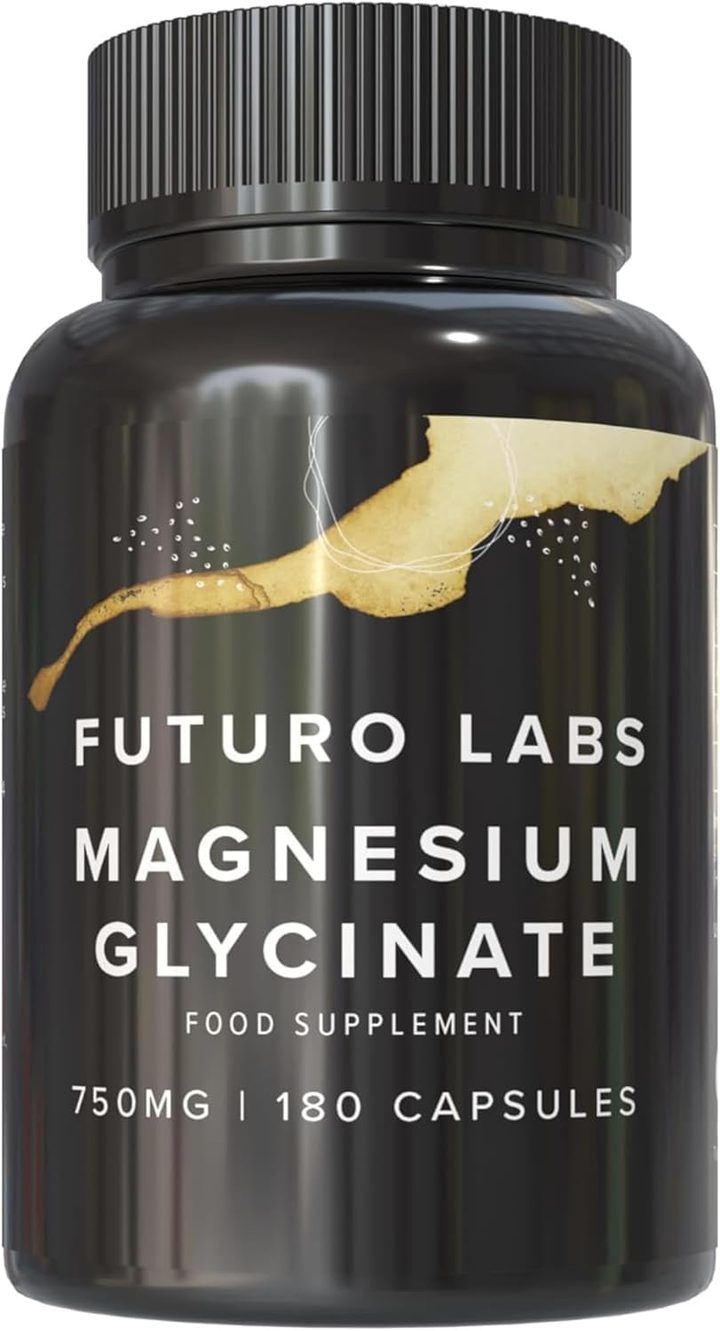
Our brand: the worked example on this page
Futuro Labs Magnesium Glycinate
- 22p a day
- 180 capsules, 2 capsules daily
- Lab tested
- Made in the UK
A listing whose testing is stated and askable: Futuro Labs Magnesium Glycinate on Amazon UK, batch tested for lead, mercury, arsenic and cadmium, UK made, address printed, £19.99 for 90 days at 22p. Full label breakdown. The three tiers are on the tested brands guide; the four questions on the mushroom testing page.
The says-versus-shows split, and why a marketplace's own paperwork is not the testing a buyer is asking about
Are Amazon supplements third-party tested has three honest answers stacked on top of each other: some are, most say they are, and few show it, and the gap between saying and showing is the whole page. Saying: the phrase third-party tested, lab tested or independently tested appears on a large share of supplement listings because it is free to type and sells, and on a listing it is text, a claim about a process the buyer cannot see, worth exactly what any unsupported claim is worth until a document appears. Showing: a minority of brands link or supply a certificate of analysis, per batch, from a named accredited laboratory, reporting measured values for the category's analytes against legal limits, the tier-two testing the brands guide describes, and that minority is the honest answer to the question, the products that are third-party tested in the sense a buyer means. The marketplace's own paperwork sits between the two and is often mistaken for the second: marketplaces require sellers in supplement categories to hold and sometimes submit compliance documentation, product safety information, ingredient declarations and in some territories certificates of analysis or good-manufacturing evidence, as a condition of listing, and that requirement is real and useful as a floor, but it is a seller-to-platform submission the buyer never sees, not a consumer-visible certificate, so a product being listed is not evidence that it is third-party tested in the way the question means, only that the seller cleared the platform's gate, which counterfeit and low-quality listings have also cleared.
How to move a listing from says to shows, what to expect back, and the question answered
Moving a listing from says to shows takes one message and the brands guide's four questions: contact the brand, through its storefront, website or the marketplace's seller messaging, and ask which laboratory tests the product, whether testing is per batch, which analytes are covered and whether the certificate for the batch number on the tub can be sent, and read the response as the best data available, a prompt certificate with a named lab, a matching batch and measured values being the show, a delayed or generic reply describing quality standards in the abstract being the say restated, and silence being the answer. What to expect back, calibrated by category: a mushroom or botanical brand should produce a metals panel; a fish oil brand oxidation and contaminant values; a protein or pre-workout brand ideally a banned-substance certification rather than a metals certificate; and a mineral brand an identity-and-potency certificate with metals beneath, the tested-for-what matrix deciding whether the certificate that arrives addresses the category's actual risk. The question answered plainly: Amazon supplements are third-party tested exactly as often as their brands can show a certificate on request, which is some of them, and the marketplace's listing gate is compliance paperwork rather than the testing a buyer means, so the honest instruction is to treat every tested claim on a listing as text, to ask the brand for the batch certificate, and to buy from the brands that answer, the worked example stating independent batch testing for lead, mercury, arsenic and cadmium and UK GMP manufacture and standing, like every brand this guide names by method, permanently askable for the paperwork.
| The level | What it is | What it proves |
|---|---|---|
| Says: tested language on a listing | Free to type; sells | Nothing, until a document exists |
| Marketplace compliance paperwork | Seller-to-platform submissions as a listing condition | The seller cleared a gate; not consumer-visible testing |
| Shows: a per-batch certificate | Named lab, matching batch, values against limits | Third-party tested in the sense a buyer means |
| The move | Ask the brand the four questions | The response is the best data available |
| Calibrated by category | Metals, oxidation, banned substances, potency | Whether the certificate addresses the real risk |
| The worked example | Batch testing for metals stated; UK GMP | Askable, like every brand judged here |
The verdict, tested as often as it can be shown
Are Amazon supplements third-party tested: some are, most say so and few show it, a listing's tested language being text until a per-batch certificate from a named lab exists, and the marketplace's own compliance paperwork being a seller-to-platform gate rather than testing a buyer can see, so the honest method is to ask the brand the four questions, which lab, which batch, which analytes and where the certificate is, and to buy from the ones that answer with a document that addresses their category's actual risk. The stated and askable example: Futuro Labs Magnesium Glycinate, independently batch tested for lead, mercury, arsenic and cadmium, UK made under GMP, address printed, £19.99 for 90 days at 22p a day, third-party tested in the sense that a certificate can be asked for, which is the only sense the phrase honestly has.
What to check on the label
- Treat tested language as text: free to type, sells, proves nothing.
- Separate marketplace paperwork from testing: a seller gate, not a certificate.
- Ask the four questions: lab, batch, analytes, certificate.
- Read the response as data: prompt and specific, or generic, or silent.
- Match the certificate to the category: metals, oxidation, banned substances, potency.
Our brand
The worked example: Futuro Labs Magnesium Glycinate
Futuro Labs Magnesium Glycinate is the worked example for the buying guides because its label is the kind these guides teach you to demand: 1500mg magnesium bisglycinate at 20%, 300mg elemental, 80% NRV, 2 capsules a day, 180 capsules for £19.99, 22p a day, UK made, vegan, batch tested for lead, mercury, arsenic and cadmium, address printed, no proprietary blend, and the same four authorised claims any honest magnesium may carry.
- Elemental magnesium per serving
- 300mg (80% NRV)
- Form
- magnesium bisglycinate 20%
- Serving
- 2 capsules a day
- Bottle
- 180 capsules, 90 days
- Price
- £19.99 (22p a day)
- Capsule
- vegetarian shell, vegan product
Questions people also ask
Does Amazon test the supplements it sells?
No: marketplaces require sellers in supplement categories to hold and sometimes submit compliance documentation as a listing condition, a real floor, but that is seller-to-platform paperwork rather than consumer-visible third-party testing.
If a listing says third-party tested, is it?
Only if a certificate exists: the phrase is free to type and appears on most listings, so treat it as text until a per-batch certificate from a named accredited lab can be seen or supplied on request.
How do I find out whether an Amazon supplement is really tested?
Ask the brand through its storefront or messaging which lab tests it, whether per batch, which analytes, and whether the certificate for your batch number can be sent, reading the response as the best data available.
What should the certificate show for my product?
The category's real risk: a metals panel for mushrooms and botanicals, oxidation and contaminant values for fish oil, a banned-substance certification for protein and pre-workouts, and identity and potency for minerals, with metals and microbiology beneath all of them.
Is the worked example third-party tested?
It states independent batch testing for lead, mercury, arsenic and cadmium and UK GMP manufacture, tier two, with the certificate askable, and carries no sports certification, stated plainly for any competing athlete.
Sources
- The sports supplement certification programmes: Informed Sport, Informed Choice, BSCG and NSF Certified for Sport test products or batches for banned substances, the assurance competing athletes rely on. https://sport.wetestyoutrust.com/
- The counterfeit supplement literature: falsified and counterfeit dietary supplements are documented on online marketplaces, concentrated in high-value branded categories, with seller verification and packaging inspection the principal consumer defences. PubMed record
- UK and retained EU contaminant law: maximum levels for lead, cadmium, mercury and arsenic in food supplements are set in legislation, with certain fungus-based supplements holding specific cadmium limits. https://www.legislation.gov.uk/eur/2006/1881/contents
- The Food Supplements (England) Regulations 2003. https://www.legislation.gov.uk/uksi/2003/1387/contents/made