Ghost Fitness/Guides/What are some reputable, third-party tested supplement brands in the UK?
What are some reputable, third-party tested supplement brands in the UK?
The short answer
Judge reputation by what is verifiable: a Companies House registration, a printed UK address, years trading, certificates supplied on request, and certification logos checkable on the programme's own database. Reviews, awards and endorsements verify nothing about a tub.
- VerifiableCompanies House, the label address, years trading, certificates on request, database-checkable logos
- Unverifiablereviews, awards, influencer endorsements, best-of lists including this site's
- The free toolthe Companies House register: name, number, office, incorporation date, accounts
- The instructionverify five things yourself rather than trust any list of names
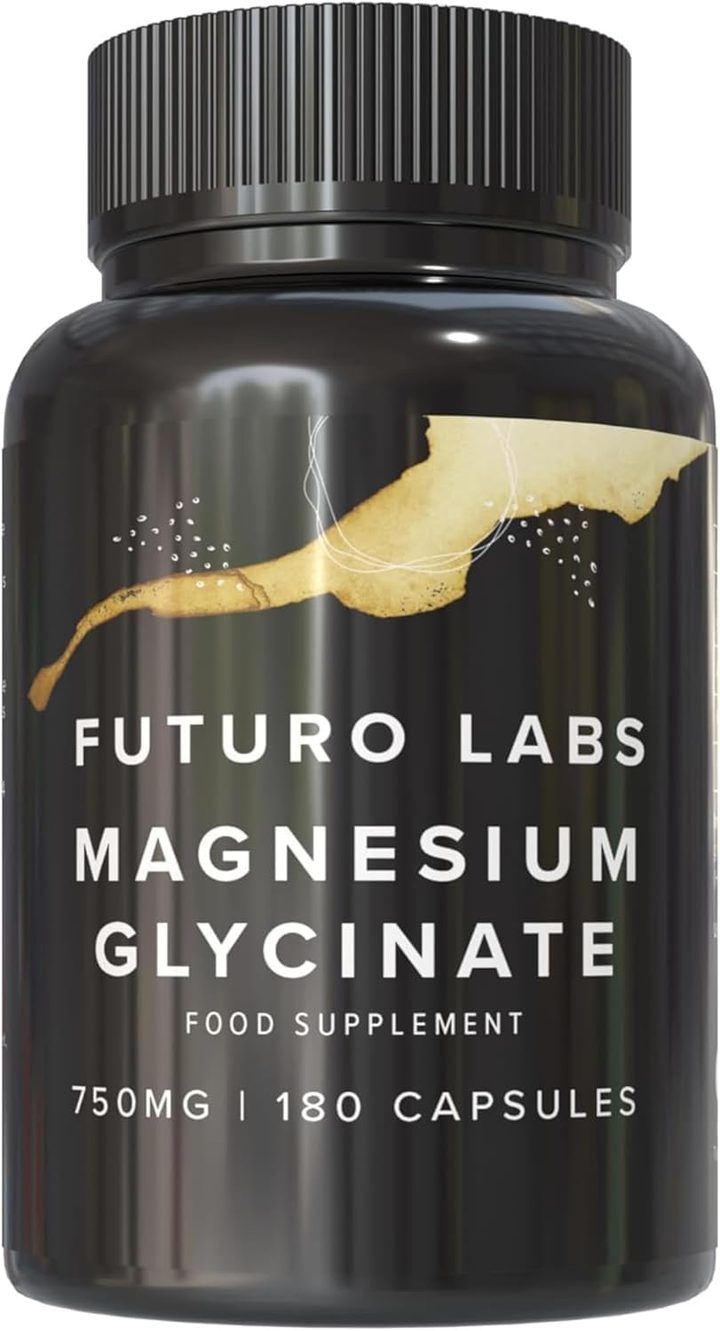
Our brand: the worked example on this page
Futuro Labs Magnesium Glycinate
- 22p a day
- 180 capsules, 2 capsules daily
- Lab tested
- Made in the UK
A brand whose verifiable signals are printed: Futuro Labs Magnesium Glycinate on Amazon UK, UK address on the label, batch tested for lead, mercury, arsenic and cadmium, certificates askable, £19.99 for 90 days at 22p. Full label breakdown. The three testing tiers are on the tested brands guide; the UK-based checks on the UK-based guide.
Reputation split into two piles, because one pile can be checked and the other only repeated
Reputable is a word that gets asserted more than it gets checked, so this guide splits reputation into two piles, the signals a buyer can verify for free in ten minutes and the signals a buyer can only repeat, and refuses to name brands because a list of names is itself the second pile. The verifiable pile, five signals. A Companies House registration: the UK's public register of companies is searchable free by name or number and shows the registered office, incorporation date, officers and filed accounts, so a brand that names its company on the label can be looked up in seconds, its years of trading read off the incorporation date and its existence confirmed, the ghost-brand pattern, a name on a marketplace with no company behind it, failing at this step. A printed UK address: the Food Supplements Regulations require the responsible business's name and address on the label, and a brand that prints one has met the law and given the buyer a place to write to, its absence being a compliance failure before any question of reputation. Years trading: readable from Companies House, a brand that has sold for several years under the same company having survived the complaints, returns and scrutiny that a six-month-old marketplace name has not, longevity being a modest but real signal. Certificates on request: the tested brands guide's four questions, which lab, which batch, which analytes and where the certificate is, answered promptly with documents, the response being the best reputation data available. And certification logos checkable on the programme's own database: Informed Sport and its peers publish searchable lists of certified products and batches, so a logo on a tub is verifiable at source rather than taken on trust, a check that catches the misuse of a logo a brand does not hold.
The unverifiable pile named honestly, why this site declines to be on it, and the checks run as a routine
The unverifiable pile is where most reputation lives and where none of it can be checked. Reviews: they verify parcels, packaging and service and nothing about contents, and their volume can be manufactured. Awards and badges: best-of medals from magazines, retailers and award schemes are frequently paid entries or editorial picks, unverifiable as to criteria and unrelated to any tub's panel. Influencer and athlete endorsements: paid, by definition, and evidence of a marketing budget rather than a testing one. And best-of lists, this site's included: any page that names reputable brands is asking to be trusted about companies whose testing it cannot audit, which is why this guide names a method and its own worked example only, the example being a brand whose verifiable signals are printed on its label and whose testing tier and lack of sports certification this site states plainly rather than glosses. The checks run as a routine, ten minutes per brand: find the company name on the label, search Companies House and read the office, date and accounts; confirm the address matches; note the years trading; email the four testing questions and time the reply; and, if a certification logo appears, search the programme's database for the product and batch. A brand passing all five is reputable in the only sense that can be defended, verified by the buyer, and a brand failing the first or second has answered before the others are asked, the worked example passing the printed ones on its label, address, company, testing stated, and standing askable on the rest, as every brand on this page's method must.
| The signal | Verifiable? | How, or why not |
|---|---|---|
| Companies House registration | Yes, free | Search the register: office, date, officers, accounts |
| A printed UK address | Yes, on the label | Required by the Regulations; absence is a failure |
| Certificates on request | Yes, by asking | The four questions; the reply timed |
| Certification logos | Yes, at source | The programme's public database, by product and batch |
| Reviews, awards, endorsements | No | Parcels, paid entries and marketing budgets |
| Best-of lists, this site's included | No | Asking to be trusted about companies nobody audited |
The verdict, verified rather than listed
What are some reputable third-party tested supplement brands in the UK: whichever pass five verifiable checks a buyer runs themselves, a Companies House registration behind the label's company name, a printed UK address, years trading read off the register, certificates supplied promptly on request, and certification logos confirmed on the programme's own database, with reviews, awards, endorsements and best-of lists filed as the unverifiable pile they are. The worked example, on its printed signals: Futuro Labs Magnesium Glycinate, UK address on the label, independent batch testing for metals stated and certificates askable, no sports certification carried, £19.99 for 90 days at 22p a day, offered as a method's example and never as a list's entry.
What to check on the label
- Split the piles: verifiable signals and repeatable ones.
- Search Companies House: free, public, ten seconds.
- Read the address off the label: required, and a place to write.
- Email the four testing questions: time the reply.
- Check logos at source: the programme's database, by batch.
Our brand
The worked example: Futuro Labs Magnesium Glycinate
Futuro Labs Magnesium Glycinate is the worked example for the buying guides because its label is the kind these guides teach you to demand: 1500mg magnesium bisglycinate at 20%, 300mg elemental, 80% NRV, 2 capsules a day, 180 capsules for £19.99, 22p a day, UK made, vegan, batch tested for lead, mercury, arsenic and cadmium, address printed, no proprietary blend, and the same four authorised claims any honest magnesium may carry.
- Elemental magnesium per serving
- 300mg (80% NRV)
- Form
- magnesium bisglycinate 20%
- Serving
- 2 capsules a day
- Bottle
- 180 capsules, 90 days
- Price
- £19.99 (22p a day)
- Capsule
- vegetarian shell, vegan product
Questions people also ask
How do I check whether a supplement brand is reputable?
Verify five things yourself: the company on Companies House, the UK address on the label, the years trading, the testing certificates supplied on request, and any certification logo on the programme's public database.
Why won't this site name reputable brands?
Because a list of names is unverifiable reputation: naming brands means asking readers to trust claims about companies whose testing nobody here audited, so the guide gives a method and its own worked example only.
Are reviews a sign of a reputable supplement brand?
No: reviews verify parcels, packaging and service, never contents, and their volume can be manufactured, placing them in the pile of signals that can only be repeated.
What does a Companies House search tell me?
Whether the company behind the label exists, its registered office, its incorporation date and therefore its years trading, its officers and its filed accounts, all free and public.
How do I know a certification logo is genuine?
Search the programme's own database: Informed Sport and its peers publish lists of certified products and batches, so a logo is checked at source rather than taken on trust.
Sources
- Companies House: the UK's public register of companies, searchable free by name or number, showing registered office, incorporation date, officers and filed accounts. https://find-and-update.company-information.service.gov.uk/
- The sports supplement certification programmes: Informed Sport, Informed Choice, BSCG and NSF Certified for Sport test products or batches for banned substances, the assurance competing athletes rely on. https://sport.wetestyoutrust.com/
- The Food Supplements (England) Regulations 2003. https://www.legislation.gov.uk/uksi/2003/1387/contents/made
- The counterfeit supplement literature: falsified and counterfeit dietary supplements are documented on online marketplaces, concentrated in high-value branded categories, with seller verification and packaging inspection the principal consumer defences. PubMed record