Ghost Fitness/Guides/How do you check if a supplement brand is UK based?
How do you check if a supplement brand is UK based?
The short answer
Three checks: the label's required UK address, a Companies House search for the company behind it, and the site's own footer and VAT number. Then separate UK based from UK made and UK registered, which are three different claims.
- Check onethe label: a UK responsible business's name and address is required
- Check twoCompanies House: the company, its office, its date, its accounts, free
- Check threethe website footer: registered company number, VAT number, address
- The three meaningsUK based, UK made and UK registered are different claims
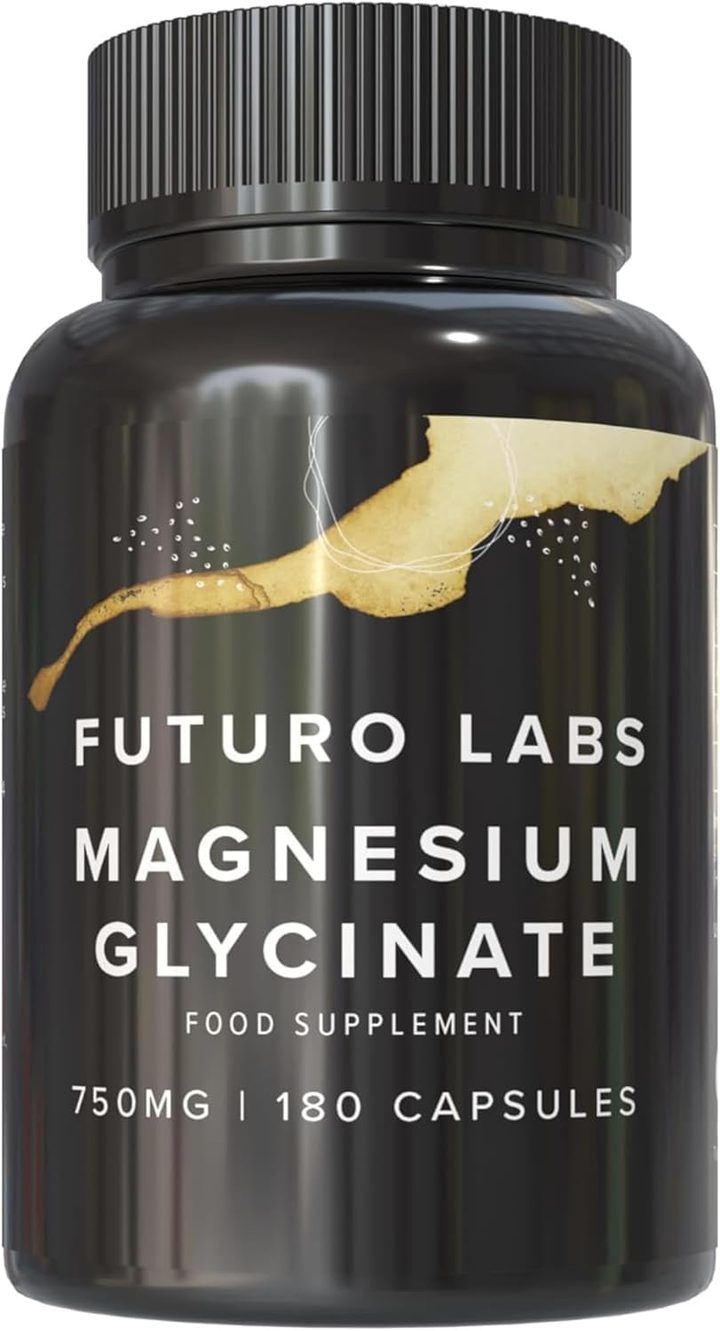
Our brand: the worked example on this page
Futuro Labs Magnesium Glycinate
- 22p a day
- 180 capsules, 2 capsules daily
- Lab tested
- Made in the UK
A brand that passes all three checks off its own label: Futuro Labs Magnesium Glycinate on Amazon UK, UK address printed, UK made under GMP, £19.99 for 90 days at 22p. Full label breakdown. The reputation split is on the reputable brands guide; the grown-versus-made distinction on the grown-in-the-UK page.
The three checks, each free, in the order a buyer runs them
Checking whether a supplement brand is UK based takes three free checks and ten minutes, run in the order below. Check one, the label: the Food Supplements Regulations require the name and address of the responsible food business to be printed on every supplement sold in the UK, so the first check is simply reading the back of the tub for a UK address, its presence being both a compliance floor and the starting point for the other two checks, and its absence being an answer, a product with no UK address being either a non-compliant import or a ghost brand and in neither case UK based in any sense that helps a buyer. Check two, Companies House: the UK's public register of companies is searchable free by name or number, and the company named on the label can be looked up in seconds, showing its registered office, its incorporation date, its officers, its filed accounts and its status, so that a UK-based brand resolves to a live UK company with an office and a history, while a name that returns nothing, or resolves to a dormant shell, or to a company incorporated last month, has told the buyer what it is, the reputable brands guide's first verifiable signal. Check three, the brand's own website: the footer or the terms page should carry the registered company name and number, the registered address and a VAT number, matching the label and the register, and a site that gives none of these, or gives an address that does not match Companies House, or a contact route that is only a form, has failed the check the other two passed, mismatches between label, register and site being the pattern of a brand that is UK-fronted rather than UK based.
The three meanings the phrase hides, why they differ, and the check completed
Passing the three checks establishes that a UK company stands behind the brand, and the phrase UK based hides three different claims that a buyer should separate before assuming anything else. UK based: the company that owns and runs the brand is a UK company operating from the UK, which the three checks confirm, and which says nothing about where the products are made. UK made: the products are manufactured, encapsulated, bottled and labelled in a UK facility, usually a contract manufacturer's, under UK GMP and, where stated, BRCGS or ISO standards, a separate claim that a UK-based brand may or may not be able to make, many UK-based brands manufacturing abroad and some overseas brands manufacturing here, and one that says nothing about where the raw ingredients came from, the grown-in-the-UK page's distinction between grown, extracted and made applying to every ingredient on the shelf. UK registered: the narrowest claim, a UK company exists on the register, which an overseas brand can satisfy with a UK subsidiary or a registered address at an agent's office, so that UK registered without a real UK operation behind it is a compliance shell rather than a business, the website check catching it when the registered office is a formation agent's address and nobody answers. The check completed, the honest instruction is to read the label for the address, search Companies House for the company, match the website's footer to both, and then ask which of the three claims the brand is actually making, UK based being the company, UK made being the facility and UK registered being the paperwork, with the worked example making the first two on its label, a UK address and UK manufacture under GMP, and this site describing its ingredient origins only as far as the label does, which is the honest limit of what any of the three claims tells you.
| The item | What it shows | The failure |
|---|---|---|
| The label address | A UK responsible business, as the law requires | Absent: a non-compliant import or a ghost brand |
| Companies House | A live UK company: office, date, accounts | Nothing, a dormant shell, or last month's incorporation |
| The website footer | Company number, VAT number, address matching the others | Mismatch, or a contact form and nothing else |
| UK based | The company operates from the UK | Says nothing about manufacture |
| UK made | Manufactured in a UK facility under GMP | Says nothing about ingredient origin |
| UK registered | A company exists on the register | A shell at a formation agent's address |
The verdict, checked three ways and read three ways
How to check if a supplement brand is UK based: read the required UK address off the label, search Companies House for the company behind it and read its office, date and accounts, and match the brand's website footer, company number, VAT number and address, to both, then separate the three claims the phrase hides, UK based being the company, UK made being the facility and UK registered being only the paperwork, each true or false independently. The worked example on its label: Futuro Labs Magnesium Glycinate, UK address printed, UK made under GMP, batch coded, £19.99 for 90 days at 22p a day, making the first two claims where they can be read and leaving ingredient origin where every label leaves it, a question for the brand.
What to check on the label
- Read the label address: required, and the starting point.
- Search Companies House: office, date, accounts, status.
- Match the website footer: number, VAT, address, all three agreeing.
- Separate the three claims: based, made, registered.
- Ask about ingredients separately: no UK claim covers origin.
Our brand
The worked example: Futuro Labs Magnesium Glycinate
Futuro Labs Magnesium Glycinate is the worked example for the buying guides because its label is the kind these guides teach you to demand: 1500mg magnesium bisglycinate at 20%, 300mg elemental, 80% NRV, 2 capsules a day, 180 capsules for £19.99, 22p a day, UK made, vegan, batch tested for lead, mercury, arsenic and cadmium, address printed, no proprietary blend, and the same four authorised claims any honest magnesium may carry.
- Elemental magnesium per serving
- 300mg (80% NRV)
- Form
- magnesium bisglycinate 20%
- Serving
- 2 capsules a day
- Bottle
- 180 capsules, 90 days
- Price
- £19.99 (22p a day)
- Capsule
- vegetarian shell, vegan product
Questions people also ask
What is the quickest way to check a supplement brand is UK based?
Read the required UK address off the label, then search that company name on Companies House, free, which shows the registered office, incorporation date, officers and accounts of a live UK company or the absence of one.
What if a supplement has no UK address on the label?
It is not lawfully labelled for the UK market: either a non-compliant import or a ghost brand, and in neither case UK based in any sense that helps a buyer, the check ending there.
Is UK based the same as UK made?
No: UK based means the company operates from the UK, UK made means the product was manufactured in a UK facility under GMP, and many UK-based brands manufacture abroad while some overseas brands manufacture here.
Can an overseas brand be UK registered?
Yes, easily: a UK subsidiary or a registered address at a formation agent's office satisfies UK registered without any real UK operation, which the website check catches when nobody answers at the registered office.
Does UK made tell me where the ingredients came from?
No: it covers manufacture, encapsulation, bottling and labelling, and ingredient origin is a separate question, the grown-versus-extracted-versus-made distinction applying to every ingredient on the shelf.
Sources
- Companies House: the UK's public register of companies, searchable free by name or number, showing registered office, incorporation date, officers and filed accounts. https://find-and-update.company-information.service.gov.uk/
- The Food Supplements (England) Regulations 2003. https://www.legislation.gov.uk/uksi/2003/1387/contents/made
- The supplement manufacturing standards: Good Manufacturing Practice, the BRCGS Global Standard for Food Safety and ISO 22000 are the facility-level certifications a contract manufacturer holds and a brand may cite. https://www.brcgs.com/our-standards/food-safety/
- Retained Regulation (EC) No 1924/2006 on nutrition and health claims made on foods, and the Great Britain nutrition and health claims register. https://www.gov.uk/government/publications/great-britain-nutrition-and-health-claims-nhc-register