Ghost Fitness/Guides/How do I know if a supplement is legit?
How do I know if a supplement is legit?
The short answer
Ten minutes: one on the label for the twelve particulars and the claims, two on Companies House for the company, two on the certifier's database for any logo, and five drafting the four testing questions to the brand.
- Minute onethe label: the twelve particulars present, the address first, and no unauthorised claim
- Minutes two and threeCompanies House: the company live, the address matching, a history
- Minutes four and fivethe certifier's database: any logo resolving to this product, currently
- Minutes six to tenone email: which lab, which batch, which analytes, where is the certificate
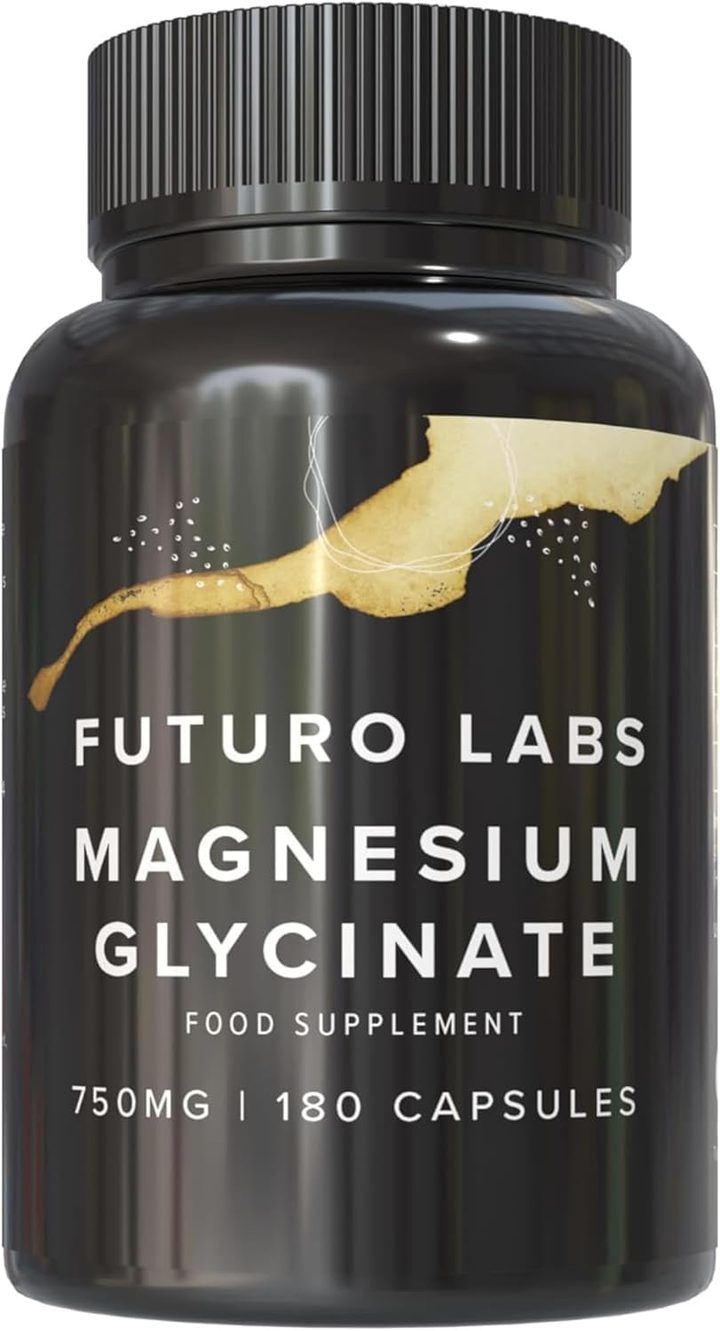
Our brand: the worked example on this page
Futuro Labs Magnesium Glycinate
- 22p a day
- 180 capsules, 2 capsules daily
- Lab tested
- Made in the UK
A product that clears the routine on its label: Futuro Labs Magnesium Glycinate on Amazon UK, twelve particulars, UK company, authorised claims only, testing stated with certificates askable, £19.99 for 90 days at 22p. Full label breakdown. The four layers of legit are on the legit guide; the fake-or-real ladder on the fake-or-real guide.
The first five minutes, which need only the tub and a phone
Knowing whether a supplement is legit takes ten minutes when the routine is timed, and the first five need only the tub and a phone. Minute one, the label: turn the tub and count the twelve particulars, the words food supplement, the nutrients, the daily portion, the three warnings, the quantities with %NRV, the ingredients, the allergens, the net quantity, the best-before, the batch and the name and address of a UK business, reading the address first because its absence predicts the rest and marks a ghost brand or a grey import, and scanning the front and back for any claim that is not on the authorised register, focus, immunity, memory, detox, hormones, the instant disqualification that ends the routine early. Minutes two and three, Companies House: type the company name from the label into the free public register and read what returns, a live UK company with a registered office matching the label's address, an incorporation date old enough to have a history and filed accounts being the pass, and nothing, a dormant shell or a company formed last month being the fail, the reputable brands guide's first verifiable signal run in two minutes. Minutes four and five, the certifier's database: if the tub carries any certification logo, Informed Sport, Informed Choice, BRCGS, the Soil Association, the Vegan Society, search the certifier's own public register for this exact product and confirm it is listed as currently certified, a logo that resolves being genuine and a logo that does not being lapsed, misused or a look-alike and treated as no certification, the at-source check that no other step replaces. Five minutes, three checks, and a tub has either survived to the email or been put back.
The last five minutes, one email whose reply is the answer, and what legit means once the routine is run
Minutes six to ten are one email, and it is the step most buyers skip and the step that separates a brand that tests from a brand that says so. Draft the four testing questions to the brand's customer service or storefront: which laboratory tests the product, is testing per batch, which analytes are covered, and can the certificate of analysis for the batch number on the tub be sent, the questions calibrated to the category, metals for a mushroom, botanical, marine or mineral product, oxidation for a fish oil, potency for a vitamin, an amino profile for a protein, and a banned-substance certification for anything a tested athlete takes. Send it, and read the reply as the answer: a prompt certificate from a named accredited laboratory with the batch matching, the analytes named and the values reported against limits is the brand showing what it claims; a paragraph about quality standards is the claim restated; and silence within a reasonable time is a reply too. What legit means once the routine is run: a product that passed the label, the register and the database and whose brand answered the email with a document is legit in every sense the word carries, lawful, real, backed and honest, and it may still be a claim-free bet or a product the diet audit says you do not need, legit being the floor beneath the purchase decision rather than the decision itself. The worked example runs through the routine on its own label: twelve particulars present with a UK address, a company on the register, authorised claims only, no logo to check, and independent batch testing for lead, mercury, arsenic and cadmium stated with certificates askable, which is what a tub looks like when the ten minutes end in a yes.
| The minutes | The check | The pass and the fail |
|---|---|---|
| One | The twelve particulars; the address first; the claims scanned | All present, no unauthorised claim; or a missing address and the routine ends |
| Two and three | Companies House | A live company, matching address, a history; or nothing |
| Four and five | The certifier's database for any logo | This product, currently listed; or a logo treated as none |
| Six to ten | One email: lab, batch, analytes, certificate | A document; a paragraph; silence |
| The verdict | Legit on all four | The floor beneath the purchase, not the purchase |
| The worked example | Label, register, claims, testing stated | Ends in a yes |
The verdict, ten minutes and one email
How do I know if a supplement is legit: in ten minutes, one on the label for the twelve particulars with the address first and the claims scanned, two on Companies House for a live company with a matching address and a history, two on the certifier's database for any logo resolving to this exact product today, and five drafting the one email whose reply is the answer, which lab, which batch, which analytes, where is the certificate, a product surviving all four being legit in every sense and the purchase still being the diet audit's decision. The tub that ends the routine in a yes: Futuro Labs Magnesium Glycinate, twelve particulars with a UK address, a registered company, authorised claims only, batch testing for metals stated and certificates askable, £19.99 for 90 days at 22p a day.
What to check on the label
- Minute one, the label: twelve particulars, address first, claims scanned.
- Minutes two and three, the register: Companies House, live and matching.
- Minutes four and five, the database: any logo, at source, today.
- Minutes six to ten, the email: four questions, reply read as the answer.
- Then the diet audit: legit is the floor, not the decision.
Our brand
The worked example: Futuro Labs Magnesium Glycinate
Futuro Labs Magnesium Glycinate is the worked example for the buying guides because its label is the kind these guides teach you to demand: 1500mg magnesium bisglycinate at 20%, 300mg elemental, 80% NRV, 2 capsules a day, 180 capsules for £19.99, 22p a day, UK made, vegan, batch tested for lead, mercury, arsenic and cadmium, address printed, no proprietary blend, and the same four authorised claims any honest magnesium may carry.
- Elemental magnesium per serving
- 300mg (80% NRV)
- Form
- magnesium bisglycinate 20%
- Serving
- 2 capsules a day
- Bottle
- 180 capsules, 90 days
- Price
- £19.99 (22p a day)
- Capsule
- vegetarian shell, vegan product
Questions people also ask
What is the fastest way to check a supplement is legitimate?
One minute on the label: count the twelve required particulars, read the UK address first since its absence predicts the rest, and scan for any claim not on the authorised register, which ends the check early.
How do I check the company behind a supplement?
Two minutes on Companies House, free: the company named on the label should return a live UK business with a registered office matching the label, an incorporation date with a history and filed accounts.
How do I check a certification logo is real?
Two minutes on the certifier's own database: search for the exact product and confirm it is listed as currently certified, treating a logo with no entry as lapsed, misused or a look-alike and therefore as no certification.
What should I email a supplement brand?
Four questions: which laboratory tests the product, whether per batch, which analytes for the category, and whether the certificate for the batch on your tub can be sent, reading the reply as the answer.
If a supplement is legit, should I buy it?
Only if the diet audit says you need it: legit means lawful, real, backed and honest, the floor beneath the purchase decision, and a legit product can still be a claim-free bet or one your diet already covers.
Sources
- The Food Supplements (England) Regulations 2003. https://www.legislation.gov.uk/uksi/2003/1387/contents/made
- Companies House: the UK's public register of companies, searchable free by name or number, showing registered office, incorporation date, officers and filed accounts. https://find-and-update.company-information.service.gov.uk/
- The sports supplement certification programmes: Informed Sport, Informed Choice, BSCG and NSF Certified for Sport test products or batches for banned substances, the assurance competing athletes rely on. https://sport.wetestyoutrust.com/
- Retained Regulation (EC) No 1924/2006 on nutrition and health claims made on foods, and the Great Britain nutrition and health claims register. https://www.gov.uk/government/publications/great-britain-nutrition-and-health-claims-nhc-register