Ghost Fitness/Guides/Is the supplement store legit?
Is the supplement store legit?
The short answer
Legit is checkable: a Companies House entry, a phone number and returns policy, an established domain, card or PayPal payment, and no cluster of recent non-delivery complaints. Too-cheap famous brands on a new domain are the scam pattern.
- The businessa Companies House entry whose address matches the site's footer
- The contacta phone number, a physical address and a returns policy that answers
- The domain and paymentan established domain; card or PayPal, never bank transfer
- The scam patternfamous brands far under market, a new domain, no phone, transfer only
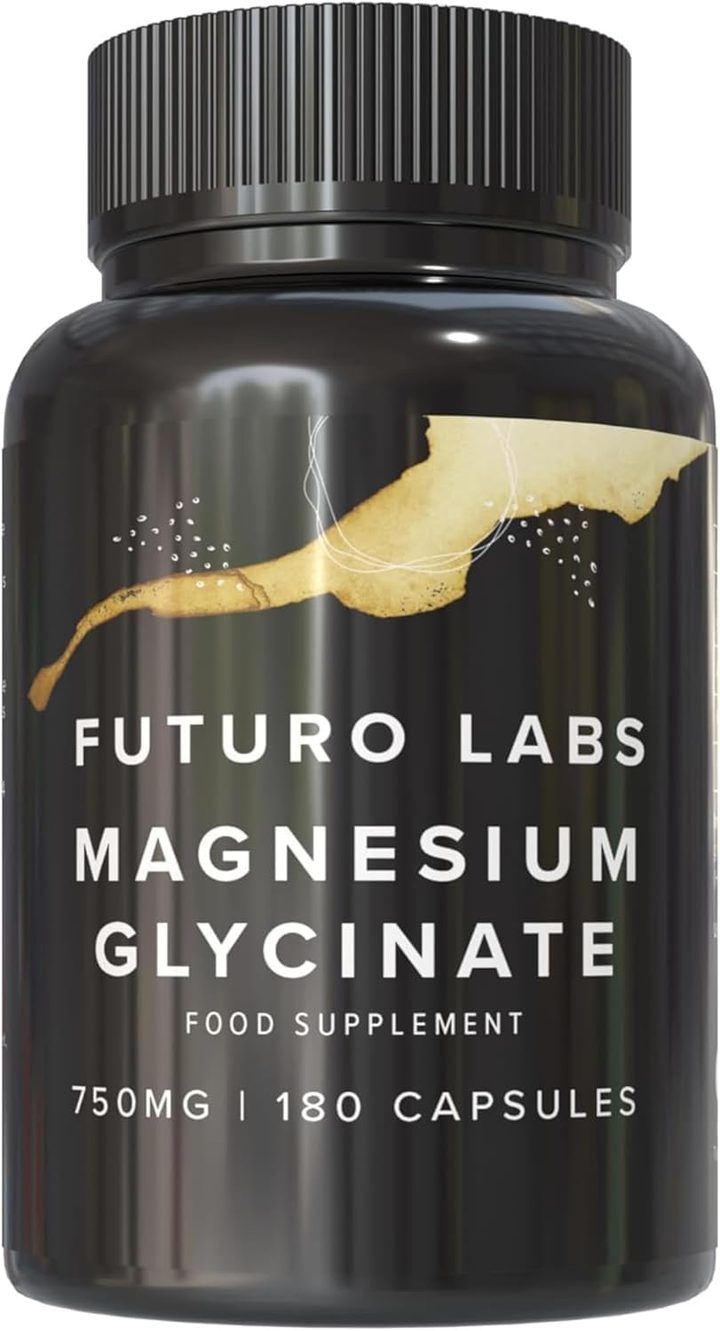
Our brand: the worked example on this page
Futuro Labs Magnesium Glycinate
- 22p a day
- 180 capsules, 2 capsules daily
- Lab tested
- Made in the UK
A product whose own label carries what a store's page might not: Futuro Labs Magnesium Glycinate on Amazon UK, UK address, batch and best-before, 300mg elemental at 80% NRV, £19.99 for 90 days at 22p. Full label breakdown. The five store checks are on the online store guide; the review-pattern read on the store reviews guide.
Legit is a checkable word, and the six checks that any store passes or fails in ten minutes
Whether a supplement store is legit, whichever store the question means, is checkable rather than a matter of reputation, and six checks settle it in ten minutes, each free. The business: a Companies House search for the company named in the site's footer or terms, returning a live UK company whose registered address matches the one the site gives, with an incorporation date old enough to have a history and filed accounts, the reputable brands guide's first verifiable signal applied to a shop, a store naming no company or naming one that does not exist having failed at the first check. The contact: a phone number that connects, a physical address that is not a formation agent's, a returns policy with a process rather than a sentence, and an email that gets a reply, a store reachable only through a form having made itself unreachable when the order goes wrong. The domain: its age, checkable through any domain-lookup tool, and its security, a site established for years with a valid certificate being a business and a domain registered last month selling famous brands at improbable prices being the pattern below. The payment: card payment or a payment service with buyer protection, so that a non-delivery can be charged back, and never bank transfer, which a legitimate retailer rarely demands and a scam always does, the payment method being the single check that determines whether money can be recovered. The reviews: read for the pattern the store reviews guide teaches, a recent cluster of specific non-delivery or refund complaints on an independent platform being the tell, and a wall of bland praise verifying little. And the stock: batch-traceable products with reasonable best-before dates and panel information, a store selling unmarked or short-dated stock having answered a question about its supply chain.
The scam pattern that fails every check at once, the honest note on retailers this site does not assess, and the verdict
The scam pattern is worth naming because it fails every check simultaneously and is easy to recognise once described: a site selling famous branded supplements, protein, pre-workouts and popular vitamins, at prices far under the brands' own and every established retailer's, on a domain registered weeks or months ago, with no phone number, an address that is a mailbox or nothing, no Companies House entry or one incorporated last month, bank transfer or an obscure payment app as the only option, and either no reviews or a burst of uniform five-star ones, the pattern that takes payment and ships nothing, or ships counterfeit, and disappears before the chargebacks that cannot be made because the payment was a transfer, the counterfeit and fraud literature's online marketplace variant transplanted to a standalone site. Against that pattern the legitimate retailer, large or small, is the mirror image, a findable company, a phone that answers, an old domain, card payment, a returns process, reviews with the ordinary mix of praise and resolved complaints, and stock with batches and dates, the six checks passed as a matter of course. The honest note: this site does not assess named retailers, large chains included, because their stock, policies and ownership change faster than a page can follow and because the six checks are what a buyer needs regardless, so a reader who typed a store's name runs the checks on that store today rather than trusting any page's verdict from last year. The verdict: a supplement store is legit when it passes the six checks, business, contact, domain, payment, reviews and stock, and is the scam pattern when it fails them together, the worked example being a product whose own label carries the address, batch, date and stated dose that make it verifiable in any legitimate store that stocks it.
| The check | The pass | The scam pattern |
|---|---|---|
| The business | A Companies House entry matching the footer address | No company, or one weeks old |
| The contact | A phone that answers, a real address, a returns process | A form, a mailbox, nothing |
| The domain | Established for years, secured | Registered last month |
| The payment | Card or a protected payment service | Bank transfer or an obscure app only |
| The reviews | The ordinary mix, complaints resolved | None, or a burst of uniform praise |
| The stock | Batched, dated, panels shown | Famous brands far under market, unmarked |
The verdict, legit by six checks and no name
Is a supplement store legit: it is when it passes six checkable tests, a Companies House entry matching its footer, a phone and a returns process, an established domain, card or protected payment, reviews without a recent cluster of non-delivery complaints, and batched, dated stock, and it is the scam pattern when it fails them together, famous brands far under market on a new domain with no phone and bank transfer only, this site assessing no named retailer because the six checks are what a buyer needs today rather than any verdict from before. The product verifiable in any legitimate store: Futuro Labs Magnesium Glycinate, UK address, batch and best-before, 300mg elemental at 80% NRV, £19.99 for 90 days at 22p a day, carrying on its label what a store's page might not.
What to check on the label
- Search Companies House: the footer's company, live, with a matching address.
- Find a phone and a returns process: reachable when it goes wrong.
- Check the domain's age: years, not weeks.
- Pay by card or a protected service: never bank transfer.
- Recognise the scam pattern: famous brands, too cheap, new domain, no phone.
Our brand
The worked example: Futuro Labs Magnesium Glycinate
Futuro Labs Magnesium Glycinate is the worked example for the buying guides because its label is the kind these guides teach you to demand: 1500mg magnesium bisglycinate at 20%, 300mg elemental, 80% NRV, 2 capsules a day, 180 capsules for £19.99, 22p a day, UK made, vegan, batch tested for lead, mercury, arsenic and cadmium, address printed, no proprietary blend, and the same four authorised claims any honest magnesium may carry.
- Elemental magnesium per serving
- 300mg (80% NRV)
- Form
- magnesium bisglycinate 20%
- Serving
- 2 capsules a day
- Bottle
- 180 capsules, 90 days
- Price
- £19.99 (22p a day)
- Capsule
- vegetarian shell, vegan product
Questions people also ask
How can I tell if an online supplement store is legitimate?
Six free checks: a Companies House entry matching the site's address, a phone number and returns process, an established domain, card or protected payment, reviews without a recent cluster of non-delivery complaints, and batched, dated stock.
What is the biggest red flag for a supplement store scam?
Payment by bank transfer only, usually alongside famous brands far under market price on a domain registered weeks ago with no phone number: the pattern that takes money and ships nothing, with no chargeback possible.
Should I trust a store because it sells big brands cheaply?
The opposite: famous branded supplements far under the brands' own prices are the scam and grey-import signature, while plain single-ingredient commodities are honestly cheap everywhere.
Why doesn't this site say whether named stores are legit?
Because stock, policies and ownership change faster than a page can follow, and the six checks are what a buyer needs on the day, so the reader runs them on the store in front of them rather than trusting an old verdict.
What should I do if a store fails a check after I've paid?
If you paid by card or a protected service, request a chargeback for non-delivery; report the site; and for anything that did arrive, run the fake-spotting inspection before taking it.
Sources
- Companies House: the UK's public register of companies, searchable free by name or number, showing registered office, incorporation date, officers and filed accounts. https://find-and-update.company-information.service.gov.uk/
- The counterfeit supplement literature: falsified and counterfeit dietary supplements are documented on online marketplaces, concentrated in high-value branded categories, with seller verification and packaging inspection the principal consumer defences. PubMed record
- The online review integrity literature: fake and incentivised reviews are documented on retail and review platforms, with recency, clustering and specificity of complaints more informative than star averages. PubMed record
- The Food Supplements (England) Regulations 2003. https://www.legislation.gov.uk/uksi/2003/1387/contents/made