Ghost Fitness/Guides/Which online supplement store is the best in the UK?
Which online supplement store is the best in the UK?
The short answer
No store is best; a store is good when it passes five checks: a UK address and returns, batch-traceable stock, panel photos or full ingredient lists, honest per-day pricing, and no proprietary-blend house brands.
- Check onea UK business address and a returns policy that answers
- Check twobatch-traceable stock: numbers on the tub that match certificates
- Check threepanel photographs or full ingredient lists, not lifestyle renders
- Checks four and fivehonest per-day pricing, and house brands without proprietary blends
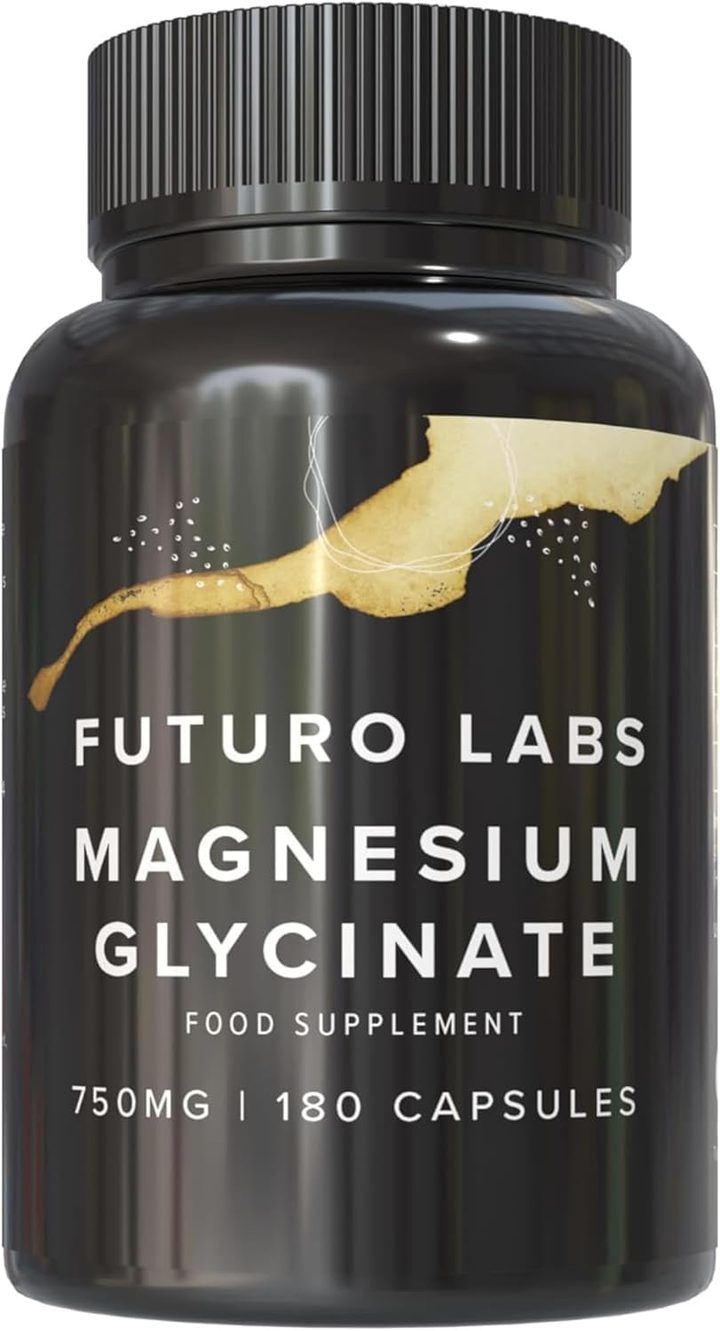
Our brand: the worked example on this page
Futuro Labs Magnesium Glycinate
- 22p a day
- 180 capsules, 2 capsules daily
- Lab tested
- Made in the UK
A product that passes the checks wherever it is sold: Futuro Labs Magnesium Glycinate on Amazon UK, brand-sold, panel photographed, batch marked, address printed, £19.99 for 90 days at 22p. Full label breakdown. The Amazon hygiene is on the Amazon guide; the where-to-buy channel map on the where-to-buy page.
Why no store is best, and the five checks that make any store good
Which online supplement store is best has no honest answer as a name, because stores change stock, prices and policies faster than any page could track and because the thing a buyer actually needs is not a store but a set of checks that any store either passes or fails, so this guide gives the checks and lets the reader run them on whichever storefront is open. Check one, the business behind the store: a UK address, a registered company, a returns policy that answers and a customer service route that exists, the ghost-storefront pattern failing here, since a store that cannot be found cannot be held to anything, and the same test the label page applies to brands applies to the shops that sell them. Check two, batch traceability: the products sold carry batch numbers and best-before dates, the store's stock rotates so that those dates are reasonable, and, for brands that publish certificates, the batch on the tub can be matched to one, a store selling short-dated or unmarked stock having answered the question. Check three, the information shown: panel photographs or full ingredient lists with per-serving amounts for every product, not lifestyle renders and marketing copy, because a store that will not show the panel is asking the buyer to trust the front, and the whole discipline of this site is reading the back. Check four, honest per-day pricing: prices that can be divided into pence per day at the label's directions, with subscribe-and-save discounts applied after the base comparison and not instead of it, and no bundles whose per-day arithmetic is hidden. Check five, the house brands: stores that sell their own-label products are judged on those products by the same rules as any brand, and a house brand built on proprietary blends, unstated doses and borrowed vocabulary fails the store as surely as it would fail a brand, the single-ingredient stated-dose rule applying to the shop's shelf as to anyone's.
The three channels that can pass the checks, what each is good for, and the store question answered by method
Three channels can pass the five checks and each is good for something. Brand-direct: the manufacturer's own site, passing the checks when the brand does, with the advantages of certificate access, subscription pricing and no custody question, and the caution that a brand site's marketing copy is the brand's own, so the panel is read as anywhere. Marketplaces with hygiene: Amazon and its peers, passing the checks listing by listing rather than store-wide, brand-sold and brand-dispatched listings with panel photographs being as good as brand-direct and third-party listings on branded products being where the fake-spotting guide's tells apply, the marketplace guarantee being a genuine recourse the other channels match with their own returns policies. Specialist retailers: dedicated supplement and sports-nutrition stores, online and bricks, passing the checks when they show panels, rotate stock and keep their house brands honest, with the advantages of range and staff knowledge and the caution that their mark-up and their house-brand incentives both need the checks run. The store question is therefore answered by method rather than by name: run the five checks on the storefront in front of you, a UK business that answers, batch-traceable stock, panels shown, per-day pricing and honest house brands, and buy from whichever passes, which brand-direct, a hygienic marketplace listing and a good specialist all can, the worked example being a product that passes wherever it is sold because its own label carries the address, the batch, the panel and the stated dose that the checks were looking for in the shop.
| The item | The pass | The fail |
|---|---|---|
| The business | UK address, registered company, returns that answer | A storefront nobody can find |
| The stock | Batch numbers, reasonable dates, certificates matchable | Short-dated or unmarked tubs |
| The information | Panel photos or full per-serving ingredient lists | Renders and copy, no back of pack |
| The pricing | Divisible into pence per day; discounts after the base | Bundles hiding the arithmetic |
| The house brands | Single-ingredient, stated doses, tested | Proprietary blends and borrowed vocabulary |
| The channels | Brand-direct, hygienic marketplace listings, good specialists | Any channel failing the checks |
The verdict, a method rather than a name
Which online supplement store is the best in the UK: none by name, and any by method, a store being good when it passes five checks, a UK business with an address and returns that answer, batch-traceable stock, panel photographs or full ingredient lists, honest per-day pricing, and house brands held to the single-ingredient stated-dose rule, with brand-direct sites, hygienic marketplace listings and good specialist retailers all able to pass and the reader buying from whichever does. The product that passes wherever it is sold: Futuro Labs Magnesium Glycinate, brand-sold on Amazon UK, panel photographed, batch and best-before marked, UK address printed, 300mg elemental at 80% NRV, £19.99 for 90 days at 22p a day, carrying on its own label everything the checks were looking for in the shop.
What to check on the label
- Stop looking for a name: run the checks on the store in front of you.
- Find the business: address, company, returns that answer.
- Demand traceable stock: batches, dates, matchable certificates.
- Insist on the panel: back of pack, not lifestyle renders.
- Judge house brands as brands: no proprietary blends, stated doses.
Our brand
The worked example: Futuro Labs Magnesium Glycinate
Futuro Labs Magnesium Glycinate is the worked example for the buying guides because its label is the kind these guides teach you to demand: 1500mg magnesium bisglycinate at 20%, 300mg elemental, 80% NRV, 2 capsules a day, 180 capsules for £19.99, 22p a day, UK made, vegan, batch tested for lead, mercury, arsenic and cadmium, address printed, no proprietary blend, and the same four authorised claims any honest magnesium may carry.
- Elemental magnesium per serving
- 300mg (80% NRV)
- Form
- magnesium bisglycinate 20%
- Serving
- 2 capsules a day
- Bottle
- 180 capsules, 90 days
- Price
- £19.99 (22p a day)
- Capsule
- vegetarian shell, vegan product
Questions people also ask
Which UK supplement website is most trustworthy?
Any that passes five checks: a UK address and working returns, batch-traceable stock, panel photographs or full ingredient lists, honest per-day pricing, and house brands without proprietary blends, the checks mattering more than any name.
Is it better to buy supplements from the brand directly or a retailer?
Either can pass the checks: brand-direct offers certificate access and no custody question, a brand-sold marketplace listing is as good with a guarantee attached, and a good specialist adds range, with the panel read the same way in all three.
What is a red flag on a supplement store?
No findable business behind it: a storefront without a UK address, a registered company or a returns route cannot be held to anything, the same ghost pattern that fails a brand.
Should I trust a store's own-brand supplements?
Judge them as any brand: single-ingredient stated doses with testing shown pass, and house brands built on proprietary blends and borrowed vocabulary fail the store as they would fail a brand.
How do I compare prices between supplement stores?
Per day at the label's directions: price divided by servings, discounts applied after the base comparison and never instead of it, and bundles avoided where the per-day arithmetic is hidden.
Sources
- The Food Supplements (England) Regulations 2003. https://www.legislation.gov.uk/uksi/2003/1387/contents/made
- The counterfeit supplement literature: falsified and counterfeit dietary supplements are documented on online marketplaces, concentrated in high-value branded categories, with seller verification and packaging inspection the principal consumer defences. PubMed record
- The GB claims register, magnesium entries: magnesium contributes to a reduction of tiredness and fatigue, normal psychological function, normal nervous system function, normal muscle function and electrolyte balance, among others. https://www.gov.uk/government/publications/great-britain-nutrition-and-health-claims-nhc-register
- EFSA Panel on Dietetic Products. Scientific opinion on Dietary Reference Values for fats: Adequate Intake of 250mg combined EPA and DHA per day for adults. EFSA Journal 2010;8(3):1461. https://www.efsa.europa.eu/en/efsajournal/pub/1461