Ghost Fitness/Guides/How should you store supplements?
How should you store supplements?
The short answer
Cool, dry and dark, lid on, desiccant in: heat, moisture and light are the three enemies, which makes the bathroom cabinet the worst cupboard in the house. Refrigerate only what says so, typically probiotics and opened fish oil.
- The three enemiesheat, moisture, light: each degrades something on the shelf
- The worst cupboardthe bathroom cabinet: steam, warmth and humidity in one place
- The fridge rulerefrigerate only what the label says: probiotics, opened fish oil
- The universal ruleslid on after each dose, desiccant kept, best-before respected
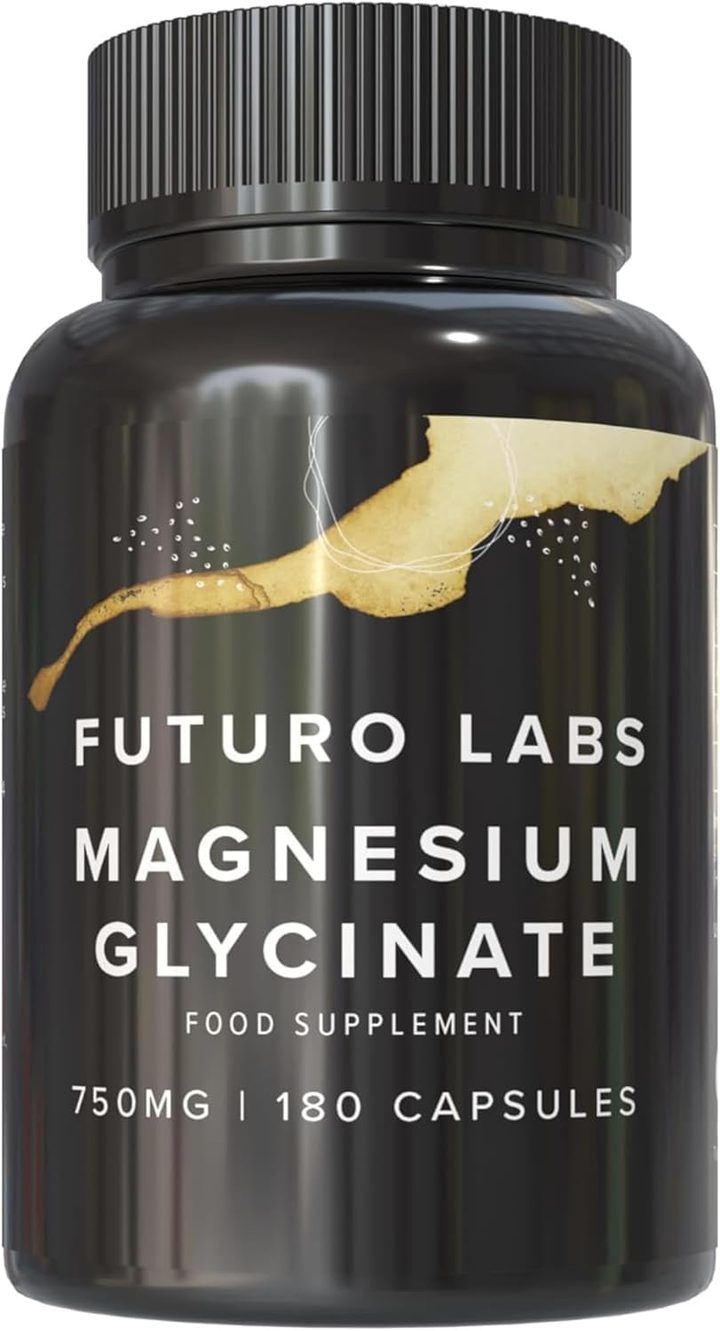
Our brand: the worked example on this page
Futuro Labs Magnesium Glycinate
- 22p a day
- 180 capsules, 2 capsules daily
- Lab tested
- Made in the UK
A bottle built for the cupboard: Futuro Labs Magnesium Glycinate on Amazon UK, sealed, batch and best-before marked, 180 capsules, £19.99 for 90 days at 22p. Full label breakdown. The mushroom shelf-life table is on the expiry page; the powder storage rules on the powder page.
The three enemies and what each of them degrades, and the bathroom cabinet named as the worst cupboard in the house
Storing supplements is a defence against three enemies, and knowing what each one degrades tells you where a product lives. Heat: it accelerates every chemical degradation on the shelf, oxidising fish oil's fatty acids, degrading vitamins, especially the fat-soluble ones and vitamin C, softening gummies into a single block and warming probiotics past what their cultures tolerate, so a warm cupboard above the cooker or a windowsill in July shortens every best-before in the house. Moisture: it clumps hygroscopic powders, mushroom extracts and some protein blends drawing water from the air, it degrades moisture-sensitive vitamins, it can support microbial growth in an open tub, and it is the reason a desiccant sachet sits in a capsule bottle and should stay there, the sachet being an absorber that keeps working as long as the lid closes. Light: ultraviolet degrades vitamins A, D, E, K, B2 and B12 and oxidises oils, which is why fish oil and many vitamins come in opaque or amber bottles and why a clear jar on a sunny sill is a slow ruin. Put the three enemies together and the worst cupboard in the house names itself: the bathroom cabinet, where the shower delivers steam and humidity daily, the radiator delivers warmth, and the door opens and closes on a damp room, the one place a bottle of anything should not live, however traditional the medicine cabinet is. The best cupboard is a kitchen or bedroom cupboard away from the cooker, the kettle and the window, cool, dry and dark, with the lid on and the desiccant in.
The product-by-product table, the fridge question answered, and the storage rules that apply to everything
Product by product, because the shelf is not uniform. Capsules and tablets of minerals and vitamins, magnesium glycinate, vitamin D, zinc, the B family: the cupboard, lid on, desiccant in, no fridge needed and the fridge unhelpful, condensation forming on a cold bottle opened in a warm kitchen being a moisture problem the cupboard never had. Creatine monohydrate powder: stable and forgiving dry, the cupboard, with a dry scoop and the lid closed. Protein powder: the cupboard, tub sealed, dry scoop, finished before it goes stale, the fridge again unhelpful. Mushroom extract powders and capsules: hygroscopic, the cupboard with the lid on and the desiccant kept, the powder page's airtight rule applying, the fridge inviting condensation. Fish oil softgels: cool and dark above all, the bottle opaque for a reason, the cupboard when unopened and, once opened, the fridge if the label says so or if the bottle is large and will be open for months, oxidation being the enemy and cold slowing it, with the cap closed tight to keep air out. Probiotics: the label decides, many requiring refrigeration to keep their cultures alive and some shelf-stable by design, the instruction printed being the rule. Gummies: cool and away from heat above all, a warm summer cupboard fusing a jar into one sweet, and the fridge acceptable for gummies in hot weather. Liquid vitamins and tinctures: usually the fridge after opening, per the label. The fridge question answered in one line: refrigerate only what says so, typically probiotics and opened fish oil, and never capsules of minerals, which the cold does not help and the condensation harms. The rules that apply to everything: lid on immediately after each dose, desiccant kept in the bottle, the original container kept rather than decanted into a humid pill organiser for more than a week, the best-before respected as the quality date it is, sizes bought that get finished, and the bathroom left to the toothbrushes, the worked example being a sealed, batch-dated capsule bottle that asks only for a cupboard and a closed lid.
| The product | Where | Why |
|---|---|---|
| Mineral and vitamin capsules | Cupboard, lid on, desiccant in | Cold invites condensation; moisture is the enemy |
| Creatine and protein powders | Cupboard, sealed, dry scoop | Stable dry; stale before unsafe |
| Mushroom extracts | Cupboard, airtight, desiccant kept | Hygroscopic: clumps with moisture |
| Fish oil softgels | Cool and dark; fridge once opened if the label says | Oxidation: heat and light are the enemies |
| Probiotics and liquids | As the label says, often the fridge | Live cultures and opened liquids need cold |
| Gummies | Cool, away from heat | Warmth fuses a jar into one sweet |
The verdict, a cupboard and a closed lid
How should you store supplements: cool, dry and dark, against the three enemies of heat, moisture and light, in a kitchen or bedroom cupboard away from the cooker, the kettle and the window with the lid on after every dose and the desiccant kept in the bottle, never in the bathroom cabinet where steam, warmth and humidity gather, and in the fridge only for what the label says, typically probiotics and opened fish oil, never for mineral capsules that the cold cannot help and condensation can harm. The bottle built for the cupboard: Futuro Labs Magnesium Glycinate, sealed, batch and best-before marked, 180 capsules, £19.99 for 90 days at 22p a day, asking for nothing but a dry shelf and a closed lid.
What to check on the label
- Name the three enemies: heat, moisture, light.
- Evict the bathroom cabinet: steam, warmth and humidity in one place.
- Keep the lid on and the desiccant in: after every dose.
- Refrigerate only what says so: probiotics, opened fish oil.
- Buy sizes you finish: the best-before is a quality date.
Our brand
The worked example: Futuro Labs Magnesium Glycinate
Futuro Labs Magnesium Glycinate is the worked example for the buying guides because its label is the kind these guides teach you to demand: 1500mg magnesium bisglycinate at 20%, 300mg elemental, 80% NRV, 2 capsules a day, 180 capsules for £19.99, 22p a day, UK made, vegan, batch tested for lead, mercury, arsenic and cadmium, address printed, no proprietary blend, and the same four authorised claims any honest magnesium may carry.
- Elemental magnesium per serving
- 300mg (80% NRV)
- Form
- magnesium bisglycinate 20%
- Serving
- 2 capsules a day
- Bottle
- 180 capsules, 90 days
- Price
- £19.99 (22p a day)
- Capsule
- vegetarian shell, vegan product
Questions people also ask
Should supplements be kept in the fridge?
Only those whose labels say so, typically probiotics with live cultures and opened fish oil or liquid vitamins; mineral and vitamin capsules gain nothing from cold and risk condensation when a cold bottle is opened in a warm kitchen.
Why is the bathroom a bad place to store supplements?
It gathers all three enemies: steam and humidity from the shower, warmth from the radiator, and a damp room every time the door opens, the worst cupboard in the house for anything in a bottle.
Do I need to keep the little desiccant sachet in the bottle?
Yes: it absorbs moisture and keeps working as long as the lid closes, protecting hygroscopic powders and moisture-sensitive vitamins, so it stays in until the bottle is finished.
How should I store fish oil capsules?
Cool and dark above all, in the opaque bottle they came in, with the cap tight, and in the fridge once opened if the label says so or the bottle will be open for months, since oxidation is the enemy and cold slows it.
Can I put my supplements in a weekly pill organiser?
For a week, yes; for longer, no: organisers admit humidity and lose the desiccant and the batch and date, so the original bottle stays the store and the organiser holds only the week's doses.
Sources
- The supplement stability literature: dried botanical and fungal extracts degrade gradually with heat, moisture and oxygen, best-before dates indicating quality rather than safety. PubMed record
- The Food Supplements (England) Regulations 2003. https://www.legislation.gov.uk/uksi/2003/1387/contents/made
- The GB claims register, vitamin D entries: vitamin D contributes to normal bones, teeth, muscle function, immune function and calcium absorption, with UK guidance suggesting 10 micrograms daily in autumn and winter. https://www.gov.uk/government/publications/great-britain-nutrition-and-health-claims-nhc-register
- EFSA Panel on Dietetic Products, Nutrition and Allergies. Scientific Opinion on the substantiation of health claims related to magnesium. EFSA Journal 2010;8(10):1807. https://efsa.onlinelibrary.wiley.com/doi/10.2903/j.efsa.2010.1807