Ghost Fitness/Guides/What should you look for in certified supplements UK?
What should you look for in certified supplements UK?
The short answer
Certified for what, by whom: banned-substance programmes certify products, BRCGS and ISO certify facilities, the Soil Association certifies organic farming, the Vegan Society certifies ingredients, and self-certified means nothing. Read the certifier's name and check it at source.
- Kind onebanned-substance programmes: Informed Sport and peers certify products and batches
- Kind twofacility standards: GMP, BRCGS, ISO 22000 certify the site
- Kinds three and fourorganic and vegan bodies certify farming and ingredients
- Kind fiveself-certified: a brand's own badge, attesting nothing
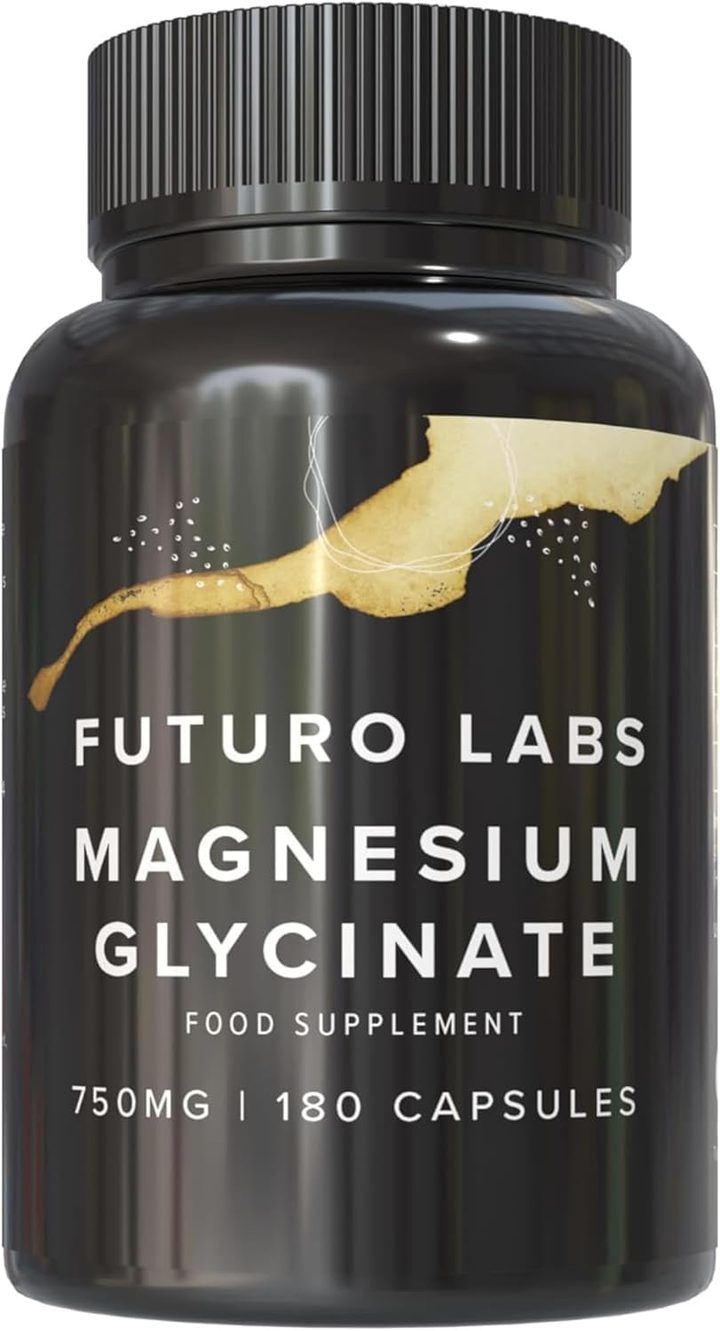
Our brand: the worked example on this page
Futuro Labs Magnesium Glycinate
- 22p a day
- 180 capsules, 2 capsules daily
- Lab tested
- Made in the UK
A product stating what it holds and what it does not: Futuro Labs Magnesium Glycinate on Amazon UK, UK GMP manufacture, batch tested for metals, vegan HPMC shell, no sports certification, £19.99 for 90 days at 22p. Full label breakdown. The Informed Sport anatomy is on the Informed Sport guide; the manufacturing glossary on the best-made guide.
Certified is a word five different certificates share, and the first question is which one is meant
Certified supplements is a phrase that hides five different certificates behind one word, and what to look for begins with asking, of any badge, certified for what and by whom, because each kind attests one attribute and none attests everything. Kind one, banned-substance programmes: Informed Sport, Informed Choice, BSCG and NSF Certified for Sport certify products, testing for substances on the anti-doping prohibited list, per batch on the batch-level programmes, and auditing the manufacturing site, the certification a drug-tested athlete needs and one that says nothing about heavy metals, potency or efficacy. Kind two, facility standards: GMP as a practice, and BRCGS Global Standard for Food Safety and ISO 22000 as audited certifications, certify the manufacturing site's food-safety management, hygiene and traceability, an attestation about where and how a product was made, not about what any particular tub contains, and one a brand may cite only if its manufacturer holds it. Kind three, organic certification: the Soil Association and equivalent bodies certify that agricultural ingredients were produced under organic standards, an attestation about farming inputs and process that says nothing about extract ratios, tissue, testing or dose, the organic page's distinction. Kind four, dietary and religious certification: the Vegan Society trademark certifies that ingredients and processing contain and involve no animal products, and halal and kosher certification bodies certify religious compliance, each attesting exactly its attribute and each checkable with the certifier. Kind five, self-certification: a brand's own badge, lab tested, quality assured, premium grade, designed to look like the other four and certifying nothing, since the certifier is the seller.
The two questions applied to any badge, the check at source, and the taxonomy used on a real label
Applied to any badge, the two questions sort the five kinds in seconds. Certified for what: banned substances, facility food safety, organic farming, vegan or religious compliance, or nothing, and the answer tells the buyer which of their concerns the certificate addresses, the athlete caring about the first, the purity-minded about the second and its companion metals certificate, the organic-minded about the third, the vegan about the fourth, and nobody about the fifth. Certified by whom: a named programme or body with a public register, Informed Sport's database, BRCGS's directory of certificated sites, the Soil Association's licensee search, the Vegan Society's trademark register, each checkable at source so that a logo is confirmed or contradicted in a minute, or the brand itself, in which case the badge is decoration. The check at source is the whole discipline, because logos are copied, lapse and get misused, and a certifier's own register is the only place a certificate lives. Used on a real label, the taxonomy reads the worked example plainly: UK manufacture under GMP with BRCGS held by its manufacturer, kind two, checkable; a vegan HPMC shell and plant fillers, kind four by ingredient though not carrying the trademark; independent batch testing for metals, which is a certificate of analysis rather than a certification and is askable; no organic certification, kind three absent and unclaimed; and no banned-substance certification, kind one absent and stated plainly for any athlete, so that the label's certified claims are exactly the ones its certifiers would confirm and its absences are printed rather than implied, which is what to look for in certified supplements, a badge that names its certifier and a brand that names what it lacks.
| The kind | Who certifies | What it attests |
|---|---|---|
| Banned-substance programmes | Informed Sport, Informed Choice, BSCG, NSF | Products and batches free of prohibited substances; site audited |
| Facility standards | BRCGS, ISO 22000 auditors; GMP as practice | The site's food-safety management, not any tub's contents |
| Organic | The Soil Association and peers | Farming inputs and process; not ratio, tissue or testing |
| Vegan, halal, kosher | The Vegan Society and religious bodies | Ingredients and processing for that attribute |
| Self-certified | The brand | Nothing: the certifier is the seller |
| The check | The certifier's own register | Logos confirmed or contradicted at source |
The verdict, certified for something by someone
What to look for in certified supplements in the UK: the answer to certified for what and by whom, banned-substance programmes certifying products and batches, facility standards certifying sites, the Soil Association certifying organic farming, the Vegan Society and religious bodies certifying ingredients and processing, and self-certified badges certifying nothing, each real certificate checkable on its certifier's own register and each attesting one attribute only. The label that names its certifiers and its absences: Futuro Labs Magnesium Glycinate, UK GMP manufacture with BRCGS held by its manufacturer, vegan HPMC shell, batch tested for metals with certificates askable, no organic and no sports certification, £19.99 for 90 days at 22p a day, certified for what it says by whom it says and honest about the rest.
What to check on the label
- Ask certified for what: banned substances, facility, organic, vegan, or nothing.
- Ask certified by whom: a named body with a register, or the seller.
- Check at source: the certifier's own database, not the badge.
- Match the certificate to your concern: athletes, purity, organic, vegan.
- Prefer brands that print their absences: what they lack, stated.
Our brand
The worked example: Futuro Labs Magnesium Glycinate
Futuro Labs Magnesium Glycinate is the worked example for the buying guides because its label is the kind these guides teach you to demand: 1500mg magnesium bisglycinate at 20%, 300mg elemental, 80% NRV, 2 capsules a day, 180 capsules for £19.99, 22p a day, UK made, vegan, batch tested for lead, mercury, arsenic and cadmium, address printed, no proprietary blend, and the same four authorised claims any honest magnesium may carry.
- Elemental magnesium per serving
- 300mg (80% NRV)
- Form
- magnesium bisglycinate 20%
- Serving
- 2 capsules a day
- Bottle
- 180 capsules, 90 days
- Price
- £19.99 (22p a day)
- Capsule
- vegetarian shell, vegan product
Questions people also ask
What does certified mean on a supplement?
It depends which certificate: banned-substance programmes certify products, BRCGS and ISO certify facilities, the Soil Association certifies organic farming, the Vegan Society certifies ingredients, and a brand's own badge certifies nothing.
How do I check a certification is genuine?
At source: Informed Sport's database, BRCGS's directory, the Soil Association's licensee search and the Vegan Society's trademark register each confirm or contradict a logo in a minute.
Which certification matters most?
The one matching your concern: banned-substance certification for a drug-tested athlete, a facility standard plus a metals certificate for purity, organic for farming, vegan for ingredients, with none attesting efficacy.
Does a facility certification mean the product is tested?
No: BRCGS and ISO 22000 attest the site's food-safety management, and product testing is a separate certificate of analysis for contaminants or potency, askable from the brand per batch.
What certifications does the worked example hold?
UK GMP manufacture with BRCGS held by its manufacturer, a vegan HPMC shell by ingredient, and independent batch testing for metals; it carries no organic and no banned-substance certification, stated plainly.
Sources
- The non-testing certification schemes: the Soil Association certifies organic production, the Vegan Society trademark certifies ingredients and processing, and halal and kosher bodies certify religious compliance, each attesting a specific attribute and none attesting contents or efficacy. https://www.soilassociation.org/certification/
- The sports supplement certification programmes: Informed Sport, Informed Choice, BSCG and NSF Certified for Sport test products or batches for banned substances, the assurance competing athletes rely on. https://sport.wetestyoutrust.com/
- The supplement manufacturing standards: Good Manufacturing Practice, the BRCGS Global Standard for Food Safety and ISO 22000 are the facility-level certifications a contract manufacturer holds and a brand may cite. https://www.brcgs.com/our-standards/food-safety/
- The Food Supplements (England) Regulations 2003. https://www.legislation.gov.uk/uksi/2003/1387/contents/made