Ghost Fitness/Guides/What should you look for in informed sport UK?
What should you look for in informed sport UK?
The short answer
Informed Sport tests every batch for banned substances and audits the manufacturer, and its logo is verifiable on the programme's public database by product and batch. It covers doping risk, not metals or efficacy. Competing athletes need it on everything.
- What it testsevery batch, for substances on the WADA prohibited list
- What it auditsthe manufacturing site, for contamination controls
- How to verifythe programme's public database, by product and batch number
- Who needs itanyone subject to anti-doping testing, under strict liability
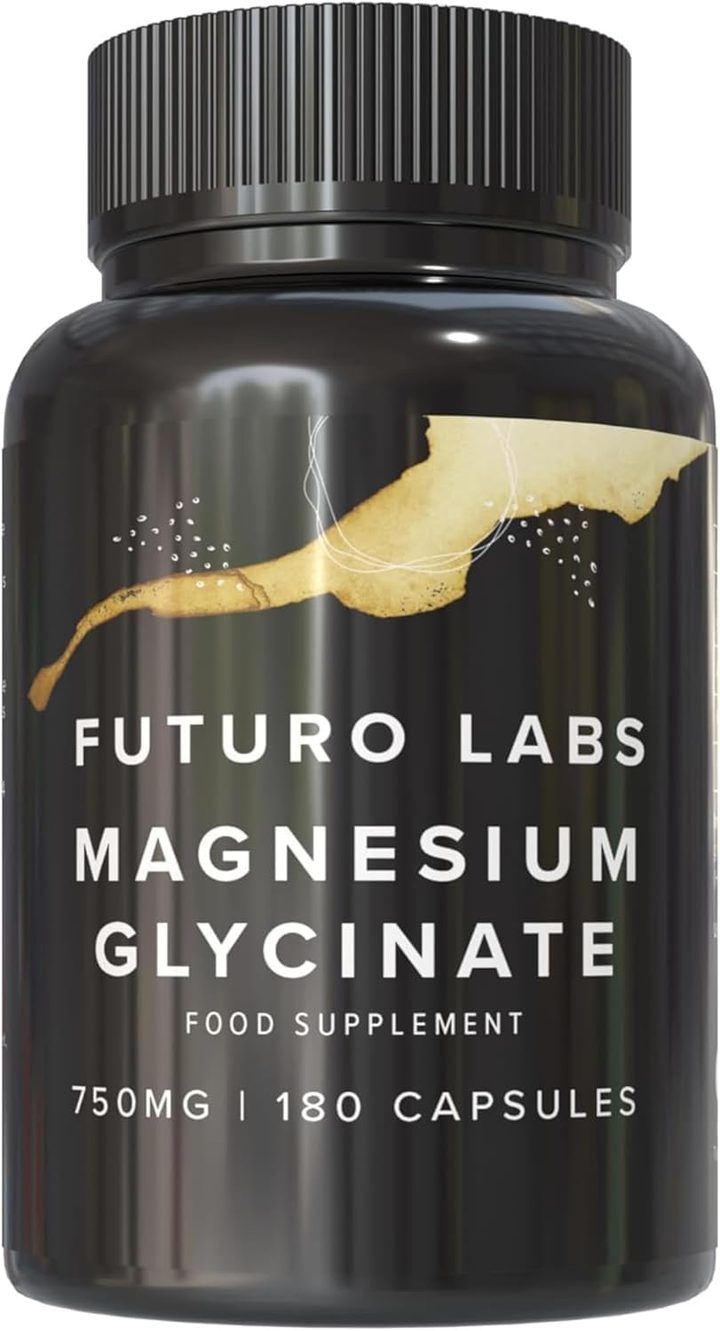
Our brand: the worked example on this page
Futuro Labs Magnesium Glycinate
- 22p a day
- 180 capsules, 2 capsules daily
- Lab tested
- Made in the UK
A product that states its testing and its certification honestly: Futuro Labs Magnesium Glycinate on Amazon UK, batch tested for metals, no Informed Sport certification carried, £19.99 for 90 days at 22p. Full label breakdown. The three testing tiers are on the tested brands guide; the tested-for-what matrix on the tested supplements guide.
The programme's anatomy, what it tests and audits, and the strict-liability rule that makes it matter
Informed Sport is a certification programme, and what to look for in it starts with knowing what it actually does, because the logo is easily mistaken for a general quality mark. The programme tests supplement products for substances on the World Anti-Doping Agency's prohibited list, the banned substances an anti-doping test detects, and its distinguishing feature against its sister programme is batch coverage, Informed Sport testing every batch of a certified product before release while Informed Choice, from the same operator, tests at the product level with periodic blind sampling, the every-batch model being the one a competing athlete wants because contamination is a batch event. Alongside the testing, the programme audits the manufacturing site, assessing its controls against cross-contamination from banned substances handled elsewhere in the facility, so certification attests both the product and the process. The reason it matters is the strict liability rule of the anti-doping code: an athlete is responsible for any prohibited substance found in their sample regardless of intent, a contaminated supplement being a documented source of positive tests, and the label, the receipt and the brand's assurances being no defence, so that for anyone subject to testing, at any level where a positive matters, a banned-substance certification on every supplement taken is the only rational policy and the programme's whole reason for existing. Comparable programmes, Informed Choice, BSCG and NSF Certified for Sport, do the same job under different rules, and a sport's own anti-doping body will say which it recognises.
How to verify the logo at source, what the programme does not cover, and the honest note about this site's examples
What to look for on a product is a logo that can be checked rather than trusted, and the programme makes that possible: its public database lists certified products and, for Informed Sport, certified batches, so the athlete finds the product on the database, matches the batch number on the tub to a tested batch, and only then takes it, a logo that does not resolve to a database entry being either a lapsed certification or a misuse, the reputable brands guide's at-source check applied to the one logo where the stakes are a career. Look, too, for the batch number printed clearly on the tub, since the whole model rests on matching it, and for the logo on the product actually being bought rather than on the brand's other products, certification being product-by-product and a brand's flagship being certified while its newer lines are not. What the programme does not cover deserves equal weight, because the logo is not a quality mark in the general sense: it does not test for heavy metals against contaminant limits, the mushroom and botanical categories' central risk; it does not assess efficacy or license any claim, a certified claim-free product staying claim-free; and it does not verify the dose or the form beyond what its own testing incidentally reveals, so a certified product is one an athlete can take without doping risk, and the four label tests, the metals certificate and the register still apply to it as to any tub. The honest note about this site's worked examples, stated as this site states everything about them: the products it prices, the magnesium included, state independent batch testing for metals and UK GMP manufacture and do not carry Informed Sport or any sports certification, so a competing athlete subject to testing applies their sport's rule and chooses certified products for everything they take, this site's method pointing them to the database rather than to its own examples for that decision.
| The item | The finding | The action |
|---|---|---|
| What it tests | Every batch for WADA-prohibited substances | The athlete's doping-risk assurance |
| What it audits | The manufacturing site's contamination controls | Product and process both attested |
| Informed Sport versus Informed Choice | Every batch, versus product-level with blind sampling | Athletes want the every-batch model |
| How to verify | The public database, by product and batch | Match the tub's batch before taking it |
| What it does not cover | Metals, efficacy, claims, dose verification | The four tests and the register still apply |
| This site's examples | Metals tested; no sports certification | Athletes choose certified products for everything |
The verdict, a logo checked at source and understood at size
What to look for in Informed Sport: a programme that tests every batch of a certified product for WADA-prohibited substances and audits the manufacturing site, whose logo is verifiable on its public database by product and batch number, the check any athlete subject to strict-liability testing runs before taking anything, and a programme that covers doping risk alone, not heavy metals, efficacy, claims or dose, so that the four label tests and the register still apply to a certified tub. This site's examples, stated plainly: Futuro Labs Magnesium Glycinate, batch tested for lead, mercury, arsenic and cadmium, UK made under GMP, no Informed Sport certification carried, £19.99 for 90 days at 22p a day, which a competing athlete reads as the honest disclosure it is and answers by choosing certified products for everything they take.
What to check on the label
- Know what it tests: banned substances, every batch.
- Know what it audits: the manufacturing site.
- Verify at source: the database, by product and batch number.
- Know what it does not cover: metals, efficacy, claims, dose.
- Apply your sport's rule: certified products for everything, if you are tested.
Our brand
The worked example: Futuro Labs Magnesium Glycinate
Futuro Labs Magnesium Glycinate is the worked example for the buying guides because its label is the kind these guides teach you to demand: 1500mg magnesium bisglycinate at 20%, 300mg elemental, 80% NRV, 2 capsules a day, 180 capsules for £19.99, 22p a day, UK made, vegan, batch tested for lead, mercury, arsenic and cadmium, address printed, no proprietary blend, and the same four authorised claims any honest magnesium may carry.
- Elemental magnesium per serving
- 300mg (80% NRV)
- Form
- magnesium bisglycinate 20%
- Serving
- 2 capsules a day
- Bottle
- 180 capsules, 90 days
- Price
- £19.99 (22p a day)
- Capsule
- vegetarian shell, vegan product
Questions people also ask
What does Informed Sport actually test for?
Substances on the WADA prohibited list, every batch of a certified product before release, alongside an audit of the manufacturing site's contamination controls, the assurance an athlete under strict liability relies on.
What is the difference between Informed Sport and Informed Choice?
Batch coverage: Informed Sport tests every batch, while Informed Choice certifies at the product level with periodic blind sampling, the every-batch model being the one competing athletes want because contamination is a batch event.
How do I check a product is genuinely Informed Sport certified?
On the programme's public database: find the product, match the batch number on your tub to a tested batch, and treat a logo that does not resolve to a database entry as lapsed or misused.
Does Informed Sport certification mean a supplement is high quality?
Only for doping risk: it does not test heavy metals against contaminant limits, assess efficacy, license claims or verify dose and form, so the four label tests, a metals certificate and the register still apply to a certified product.
Are this site's worked examples Informed Sport certified?
No: they state independent batch testing for metals and UK GMP manufacture and carry no sports certification, so a competing athlete subject to testing chooses certified products from the database for everything they take.
Sources
- The sports supplement certification programmes: Informed Sport, Informed Choice, BSCG and NSF Certified for Sport test products or batches for banned substances, the assurance competing athletes rely on. https://sport.wetestyoutrust.com/
- The World Anti-Doping Code and the strict liability principle: athletes are responsible for any prohibited substance found in their sample regardless of intent, with contaminated supplements a documented source of positive tests. https://www.wada-ama.org/en/prohibited-list
- UK and retained EU contaminant law: maximum levels for lead, cadmium, mercury and arsenic in food supplements are set in legislation, with certain fungus-based supplements holding specific cadmium limits. https://www.legislation.gov.uk/eur/2006/1881/contents
- Retained Regulation (EC) No 1924/2006 on nutrition and health claims made on foods, and the Great Britain nutrition and health claims register. https://www.gov.uk/government/publications/great-britain-nutrition-and-health-claims-nhc-register