Ghost Fitness/Guides/What should you look for in informed sport protein powder?
What should you look for in informed sport protein powder?
The short answer
Protein is the most certified category because it is the most contaminated one: match the batch on the database, then check what certification does not cover, an amino profile against spiking, the allergen line, and the source.
- Risk one, coveredbanned substances and cross-contamination: the certification's job
- Risk two, not coveredamino spiking and inflated protein content: the amino profile's job
- The batch checkthe tub's batch matched on the database, every batch
- The label readssource stated, allergens emphasised, protein per serving with an amino profile
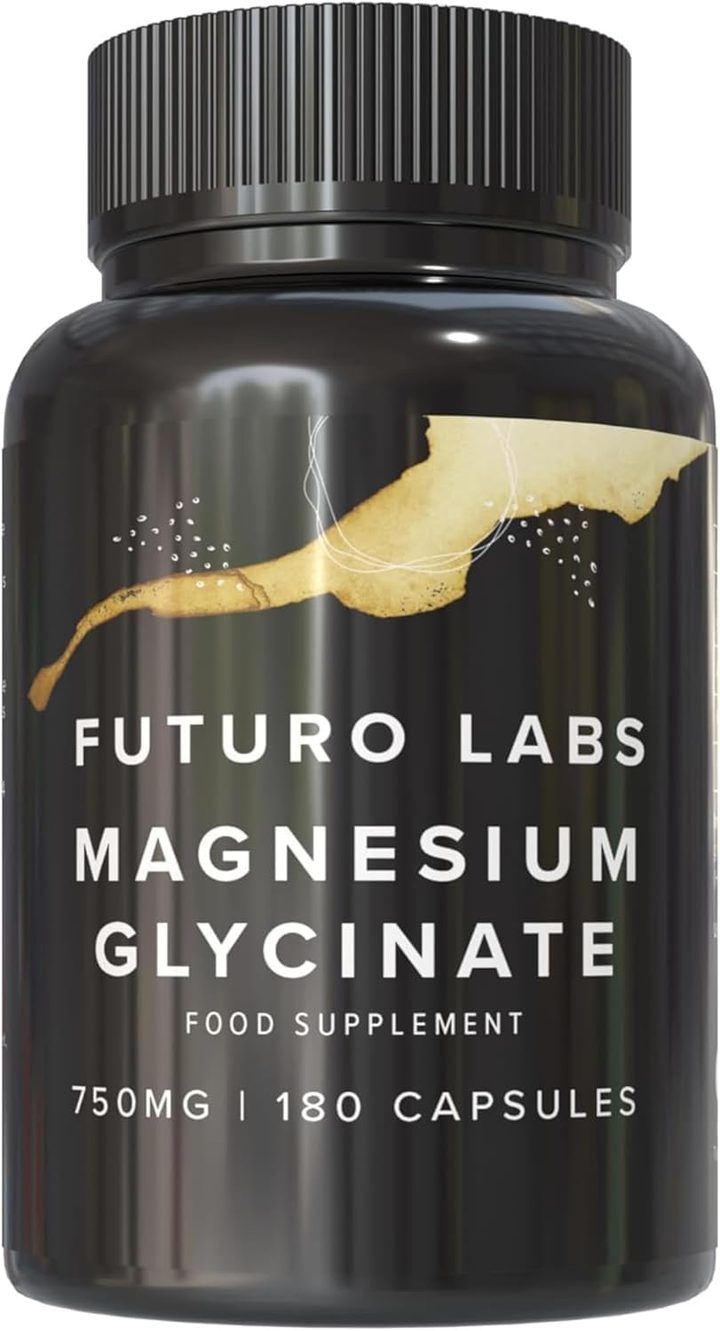
Our brand: the worked example on this page
Futuro Labs Magnesium Glycinate
- 22p a day
- 180 capsules, 2 capsules daily
- Lab tested
- Made in the UK
This site prices no protein powder; its guides' worked example is the mineral: Futuro Labs Magnesium Glycinate on Amazon UK, 300mg elemental at 80% NRV, batch tested, no sports certification, £19.99 for 90 days at 22p. Full label breakdown. The protein regulation page is here; the tested-for-what matrix on the tested supplements guide.
Why protein is the most certified category, and the first risk the logo covers
Protein powder is the most certified category on the programme's database, and the reason is the honest one: it is the category where contamination and adulteration are most documented, so the athletes who buy it daily demand the assurance and the brands that sell to them pay for it. The first risk, the one certification covers: banned substances, arriving in a protein powder either by cross-contamination in a facility that also makes pre-workouts, fat-burners or other stimulant-bearing products, or, in the worst documented cases, by deliberate undeclared addition, the adulteration literature recording anabolic agents and stimulants found in protein and pre-workout products sold as clean, and the strict liability rule making any such contamination a positive test the athlete owns. Informed Sport addresses that risk the way its definition describes, every batch tested against the prohibited list before release, the manufacturing site audited for contamination controls, and the batches listed, so what to look for begins with the batch check done properly, the batch number on the tub found on the database and matched before the first scoop, the certification being per product so that a brand's certified whey says nothing about its uncertified casein or its new plant blend, and the tub's own batch being the unit that matters.
The second risk the logo leaves to the buyer, the label reads that address it, and the honest note on this site's shelf
The second risk is the one certification does not cover and the protein regulation guide explains: amino spiking, the practice of adding cheap free amino acids, glycine, taurine, creatine, so that the nitrogen-based protein test reports more protein than the actual whey or plant protein delivers, a label saying 25g of protein per serving being technically supported and practically inflated, and no banned-substance certification detecting it because none of those amino acids is prohibited. The label reads that address the second risk are the buyer's own. The amino profile: a brand that publishes the amino acid profile per serving, the grams of each amino acid, has given the buyer the document spiking cannot fake, since spiked powders show inflated glycine or taurine and deflated essential amino acids, and a brand that will not publish one has left the buyer with a nitrogen figure. The ingredients line: free amino acids listed as separate ingredients in a whey or a casein being the tell, glycine, taurine and creatine having no business in a plain protein powder except to inflate its number. The source: whey concentrate, whey isolate, casein, or a named plant protein stated plainly, a proprietary protein matrix hiding its proportions being the blend problem in protein form. The allergen line: milk emphasised for whey and casein, soya where present, the actively enforced part of the label. And the protein claim thresholds: source of protein at 12% of energy and high protein at 20%, cleared easily by any real powder and worth noticing on bars and blends. The honest note on this site's shelf, stated as always: this site prices no protein powder, the guides' worked example being a magnesium, disclosed, and the two-risks method above applying to whichever tub the reader holds, certified for the first risk on the database and checked for the second on the label.
| The risk | Covered by | The check |
|---|---|---|
| Banned substances and cross-contamination | Informed Sport, every batch | The tub's batch on the database |
| Amino spiking and inflated protein | Nothing the logo covers | A published amino profile per serving |
| Free aminos as ingredients | The buyer's read | Glycine, taurine or creatine in a plain protein is the tell |
| The source | The label | Whey, casein or a named plant protein, not a matrix |
| Allergens | The label, actively enforced | Milk and soya emphasised |
| This site's shelf | No protein product priced | The method applies to any tub |
The verdict, one logo for one risk and a label for the other
What to look for in Informed Sport protein powder: the batch on the tub matched on the programme's database for the risk certification covers, banned substances and cross-contamination in the most adulterated category on the shelf, and then the label read for the risk it does not, amino spiking caught by a published amino profile and by free amino acids listed as ingredients, the source stated as whey, casein or a named plant protein, the allergen line emphasised and the protein claim thresholds met. This site's own shelf, disclosed: no protein powder is priced here, the worked example being Futuro Labs Magnesium Glycinate, 300mg elemental at 80% NRV, batch tested, uncertified, £19.99 for 90 days at 22p a day, and the two-risks method applying to whichever tub the reader holds.
What to check on the label
- Match the batch on the database: the first risk, every batch.
- Ask for the amino profile: the second risk, which the logo ignores.
- Read the ingredients for free aminos: glycine, taurine, creatine are the tell.
- Read the source and allergens: named protein, milk and soya emphasised.
- Note this site prices no protein: the method applies to any tub.
Our brand
The worked example: Futuro Labs Magnesium Glycinate
Futuro Labs Magnesium Glycinate is the worked example for the buying guides because its label is the kind these guides teach you to demand: 1500mg magnesium bisglycinate at 20%, 300mg elemental, 80% NRV, 2 capsules a day, 180 capsules for £19.99, 22p a day, UK made, vegan, batch tested for lead, mercury, arsenic and cadmium, address printed, no proprietary blend, and the same four authorised claims any honest magnesium may carry.
- Elemental magnesium per serving
- 300mg (80% NRV)
- Form
- magnesium bisglycinate 20%
- Serving
- 2 capsules a day
- Bottle
- 180 capsules, 90 days
- Price
- £19.99 (22p a day)
- Capsule
- vegetarian shell, vegan product
Questions people also ask
Why is protein powder so often Informed Sport certified?
Because it is the most contaminated category: banned substances arrive by cross-contamination in shared facilities or by deliberate undeclared addition, the adulteration literature records both, and athletes taking protein daily demand every-batch assurance.
Does Informed Sport certification protect against amino spiking?
No: spiking uses free amino acids such as glycine, taurine and creatine, none of which is prohibited, so the nitrogen-based protein figure is inflated without any banned substance for the certification to catch.
How do I check a protein powder for amino spiking?
Ask for the published amino acid profile per serving, which spiking cannot fake, and read the ingredients for free amino acids listed separately in a plain whey or casein, the tell that the number was inflated.
What should the label of a certified protein state?
The source plainly, whey concentrate, isolate, casein or a named plant protein rather than a proprietary matrix, the allergens emphasised, protein per serving with an amino profile, and the batch number the database is matched against.
Does this site recommend a protein powder?
It prices none: the guides' worked example is a magnesium, disclosed as such, and the two-risks method here applies to whichever protein tub the reader is holding.
Sources
- The protein powder adulteration literature: amino spiking, adding cheap free amino acids to inflate measured protein content, and undeclared ingredients are documented adulteration patterns in the protein and pre-workout categories. PubMed record
- The sports supplement certification programmes: Informed Sport, Informed Choice, BSCG and NSF Certified for Sport test products or batches for banned substances, the assurance competing athletes rely on. https://sport.wetestyoutrust.com/
- The nutrition claims conditions: source of protein requires at least 12% of the energy value from protein and high protein at least 20%, the thresholds a protein powder must meet to carry the claims. https://www.legislation.gov.uk/eur/2006/1924/annex
- The World Anti-Doping Code and the strict liability principle: athletes are responsible for any prohibited substance found in their sample regardless of intent, with contaminated supplements a documented source of positive tests. https://www.wada-ama.org/en/prohibited-list