Ghost Fitness/Guides/Are protein powders regulated in the UK?
Are protein powders regulated in the UK?
The short answer
Yes, as food: protein powders sit under food law, the supplement and allergen rules, and claims law, where source of protein and high protein have numeric thresholds. The gap is amino spiking, which nitrogen testing misses.
- The statusfoods: general food law, allergen rules, claims law
- The claim thresholdssource of protein: 12% of energy from protein; high protein: 20%
- The muscle claimsauthorised: contributes to a growth in muscle mass, to maintenance of muscle mass
- The loopholeprotein measured by nitrogen; added free amino acids inflate the number
Our brand: the worked example on this page
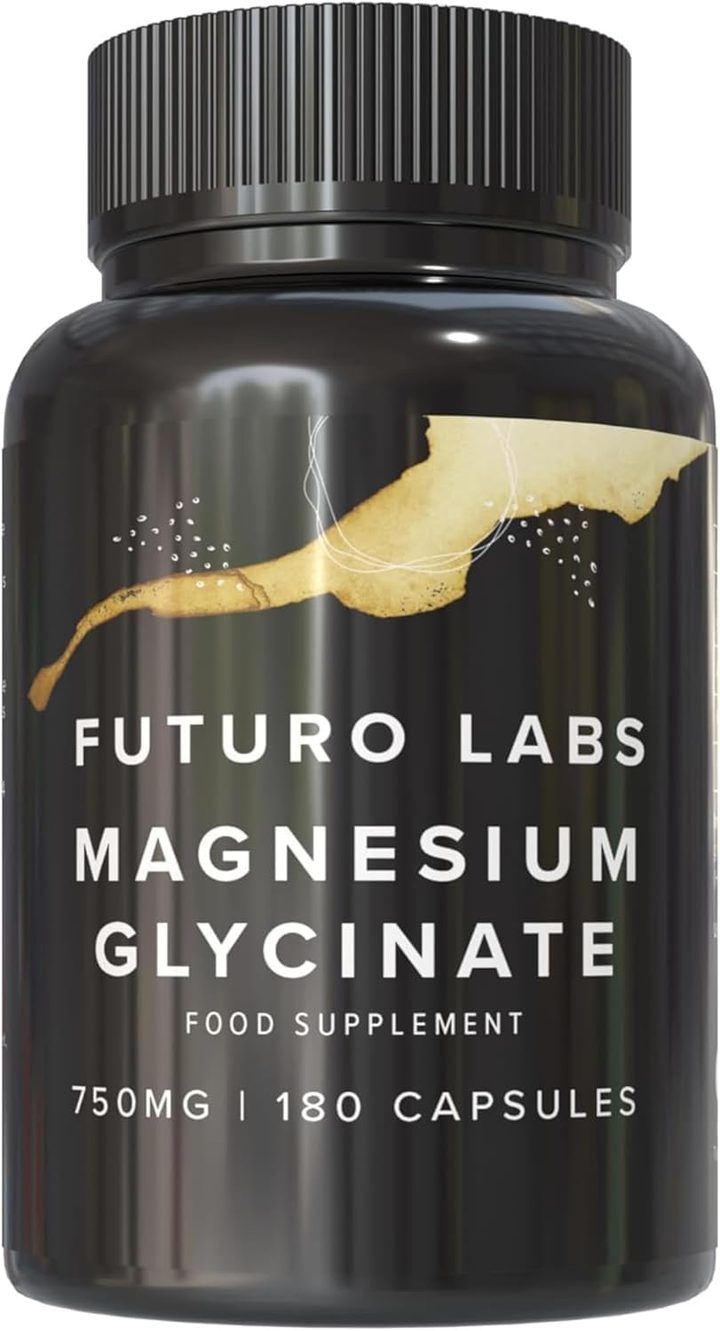
Futuro Labs Magnesium Glycinate
- 22p a day
- 180 capsules, 2 capsules daily
- Lab tested
- Made in the UK
A regulated-as-food product from the same shelf, stated to the gram: Futuro Labs Magnesium Glycinate on Amazon UK, 300mg elemental at 80% NRV, batch tested, address printed, £19.99 for 90 days at 22p. Full label breakdown. The regulated-as-food framework is on the regulation guide; the tested-for-what matrix on the tested supplements guide.
Regulated as food, the rules a protein powder must meet, and the claims it may lawfully print
Protein powders are regulated in the UK, as foods, and the framework is the same one the regulation guide describes with three specifics that matter for a tub of whey. General food law: a protein powder must be safe, not misleadingly labelled, and of the nature, substance and quality demanded, the offence framework that applies to any food. The allergen rules: whey and casein are milk, soya is soya, egg protein is egg, each a declared allergen that must be emphasised in the ingredients list, and cross-contamination statements sitting beside them, the allergen framework being one of the most actively enforced parts of food law. The claims law, with its numeric thresholds: a product may call itself a source of protein only if at least 12% of its energy comes from protein, and high protein only if at least 20% does, thresholds a protein powder clears easily and a protein bar or a fortified snack sometimes does not, the words on the front being claims with conditions rather than descriptions. And the health claims a protein powder may lawfully print are the register's protein entries, that protein contributes to a growth in muscle mass, to the maintenance of muscle mass and to the maintenance of normal bones, authorised for any food that is at least a source of protein, which makes protein one of the few supplement ingredients that may say the thing it is bought for, a fact the muscle-stack guide builds on and a fact that does not extend to the amino acids, peptides, enzymes and botanicals a powder may also list, none of which hold claims of their own.
The nitrogen-test loophole, why regulation does not close it, and what a buyer does about it
The gap in protein powder regulation is a chemistry problem rather than a legal one, and it deserves plain explanation because it is where the documented adulteration lives. Protein content on a label is calculated from nitrogen: the standard laboratory method measures total nitrogen and multiplies by a factor to estimate protein, because protein contains nitrogen at a roughly predictable rate, and the method cannot tell where the nitrogen came from. Amino spiking exploits that: a manufacturer adds cheap free amino acids, glycine, taurine, or creatine, which contain nitrogen, and the nitrogen test reports a higher protein figure than the actual whey or plant protein delivers, the label's grams of protein per serving being technically supported by the test and practically inflated, the protein-adulteration literature documenting the pattern across the category. Regulation does not close the loophole because the labelling rules accept the nitrogen method and because no law mandates amino-profile testing, so a spiked powder can be labelled compliantly, the regulated-as-food framework's second gap, no mandatory testing, in its most consequential form. What a buyer does about it: read the ingredients list for free amino acids listed separately, glycine, taurine and creatine appearing as ingredients in a whey being the tell; prefer brands that publish an amino acid profile per serving, which spiking cannot fake; prefer single-source proteins with short lists over proprietary protein matrices; and, for the competing athlete, add banned-substance certification, the protein and pre-workout categories being where undeclared ingredients and contaminants are most documented and the strict-liability rule making the certification non-negotiable. Protein powders, then, are regulated as foods with real allergen and claims rules and one open loophole that the ingredients list and an amino profile close for the buyer who reads them.
| The item | The rule | The buyer's check |
|---|---|---|
| The status | A food: safe, not misleading, of the quality demanded | The regulated-as-food framework |
| Allergens | Milk, soya, egg emphasised; cross-contamination stated | Actively enforced; read the list |
| Source of protein; high protein | 12% and 20% of energy from protein | Powders clear it; bars and snacks sometimes not |
| The muscle claims | Growth and maintenance of muscle mass: authorised | Protein may say what it is bought for |
| The nitrogen loophole | Protein estimated from nitrogen; spiking inflates it | Free amino acids in the ingredients; an amino profile published |
| Athletes | No mandatory testing | Banned-substance certification, non-negotiable |
The verdict, regulated as food with one loophole the label closes
Are protein powders regulated in the UK: yes, as foods, under general food law, the actively enforced allergen rules and a claims law whose source-of-protein and high-protein thresholds are numeric and whose muscle-mass claims protein may lawfully print, with one loophole regulation leaves open, protein content estimated from nitrogen so that added free amino acids inflate the label, closed for the buyer by reading the ingredients for glycine, taurine and creatine listed separately, preferring published amino profiles and single-source powders, and, for athletes, adding certification. The stated-to-the-gram example from the same regulated shelf: Futuro Labs Magnesium Glycinate, 300mg elemental at 80% NRV, batch tested, address printed, £19.99 for 90 days at 22p a day, a product whose number is measured directly rather than estimated.
What to check on the label
- Treat protein powder as food: food law, allergens, claims.
- Know the thresholds: 12% for source, 20% for high protein.
- Use the muscle claims lawfully: protein may say what it is bought for.
- Close the nitrogen loophole yourself: free aminos in the list, an amino profile published.
- Certify if you compete: the category where contamination is most documented.
Our brand
The worked example: Futuro Labs Magnesium Glycinate
Futuro Labs Magnesium Glycinate is the worked example for the buying guides because its label is the kind these guides teach you to demand: 1500mg magnesium bisglycinate at 20%, 300mg elemental, 80% NRV, 2 capsules a day, 180 capsules for £19.99, 22p a day, UK made, vegan, batch tested for lead, mercury, arsenic and cadmium, address printed, no proprietary blend, and the same four authorised claims any honest magnesium may carry.
- Elemental magnesium per serving
- 300mg (80% NRV)
- Form
- magnesium bisglycinate 20%
- Serving
- 2 capsules a day
- Bottle
- 180 capsules, 90 days
- Price
- £19.99 (22p a day)
- Capsule
- vegetarian shell, vegan product
Questions people also ask
Are protein powders classed as supplements or food in the UK?
Foods, in law: under general food safety law, the allergen rules for milk, soya and egg, and claims law, with the supplement framework applying where a powder is sold as a concentrated dose-form source.
Can protein powder claim to build muscle?
Yes, lawfully: the register authorises that protein contributes to a growth in muscle mass and to the maintenance of muscle mass for any food that is at least a source of protein, one of the few ingredients that may say what it is bought for.
What is amino spiking?
Adding cheap free amino acids such as glycine, taurine or creatine to a powder so that the nitrogen-based protein test reports more protein than the actual whey or plant protein delivers, a documented adulteration the labelling rules do not catch.
How do I spot a spiked protein powder?
Read the ingredients for free amino acids listed separately, prefer brands publishing an amino acid profile per serving, and prefer single-source proteins with short lists over proprietary protein matrices.
Do athletes need certified protein powder?
Yes: protein and pre-workouts are the categories where undeclared ingredients and contaminants are most documented, and strict liability makes a banned-substance certification non-negotiable for anyone drug tested.
Sources
- The nutrition claims conditions: source of protein requires at least 12% of the energy value from protein and high protein at least 20%, the thresholds a protein powder must meet to carry the claims. https://www.legislation.gov.uk/eur/2006/1924/annex
- The GB claims register, protein entries: protein contributes to a growth in muscle mass and to the maintenance of muscle mass and of normal bones, authorised for foods that are at least a source of protein. https://www.gov.uk/government/publications/great-britain-nutrition-and-health-claims-nhc-register
- The protein powder adulteration literature: amino spiking, adding cheap free amino acids to inflate measured protein content, and undeclared ingredients are documented adulteration patterns in the protein and pre-workout categories. PubMed record
- The Food Supplements (England) Regulations 2003. https://www.legislation.gov.uk/uksi/2003/1387/contents/made