Ghost Fitness/Guides/Are health supplements regulated?
Are health supplements regulated?
The short answer
Yes, as foods, on a gradient: vitamins and minerals most tightly, with listed forms and mandatory %NRV; protein through claim thresholds; mushrooms through food history; botanicals least, with no positive list and claims on hold. None is pre-approved.
- The tight endvitamins and minerals: positive list of forms, mandatory %NRV, upper-level guidance, generous claims
- The middleprotein through claim thresholds; mushrooms through food history and novel-food rules
- The loose endbotanicals and nootropics: no positive list, claims on hold, thin enforcement
- Everywhereno pre-market approval, no mandatory testing
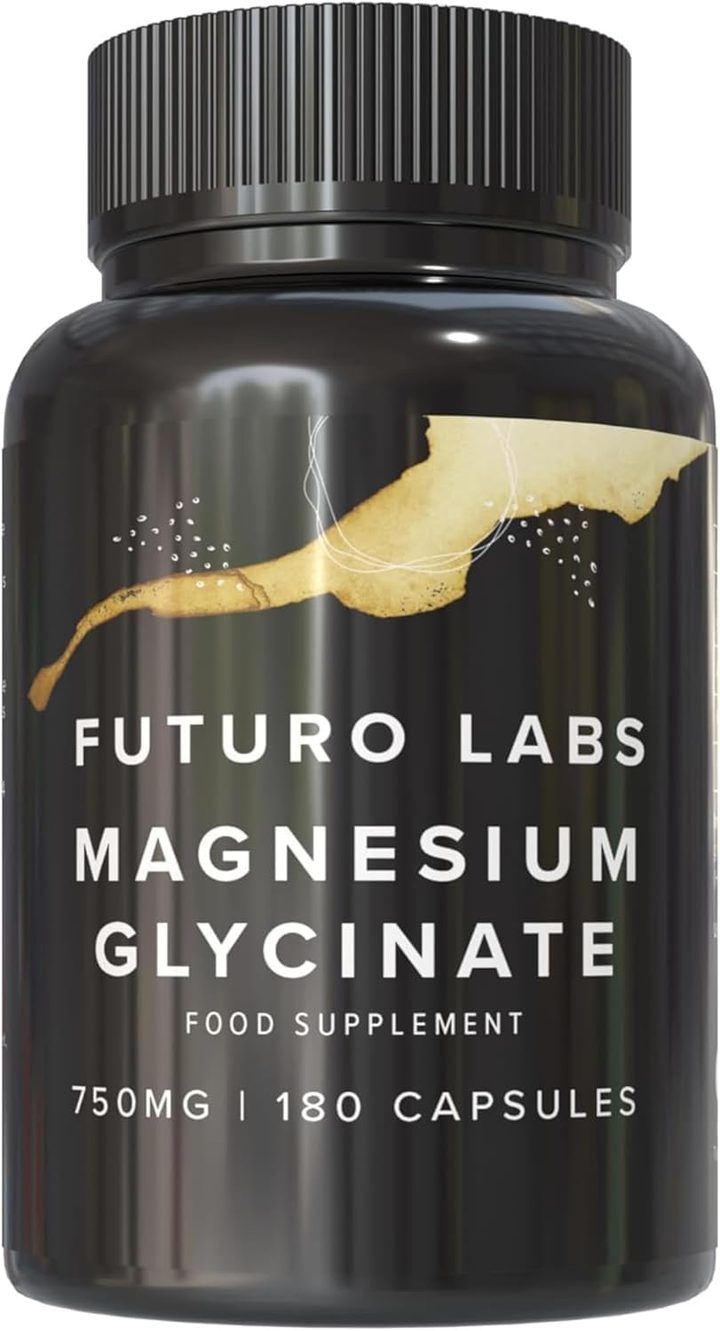
Our brand: the worked example on this page
Futuro Labs Magnesium Glycinate
- 22p a day
- 180 capsules, 2 capsules daily
- Lab tested
- Made in the UK
A product at the tight end of the gradient: Futuro Labs Magnesium Glycinate on Amazon UK, a listed mineral form, 300mg elemental at 80% NRV, four authorised claims, batch tested, £19.99 for 90 days at 22p. Full label breakdown. The framework is on the regulation guide; the vitamins at the tight end on the vitamins regulation guide.
Yes, as foods, and then the gradient, because health supplements is a phrase covering four differently regulated shelves
Are health supplements regulated: yes, as foods, under the framework the regulation guide describes, food safety law, the Food Supplements Regulations, claims law, contaminant limits and novel food rules, enforced by local authorities, with the two deliberate gaps of no pre-market approval and no mandatory testing, and the addition this page makes is that health supplements is a phrase covering several shelves that the framework regulates to very different degrees, so the honest answer is a gradient. The tight end, vitamins and minerals: the most regulated category, confined to a positive list of permitted nutrients and forms so that an unlisted form may not be used at all, required to declare each nutrient per daily dose with a percentage of the nutrient reference value, framed by the expert group's safe upper level guidance, and granted the register's largest set of authorised claims, the vitamins regulation guide's contrast, a category where the law has looked closely and let the product speak. The upper middle, sports nutrition: protein powders regulated as foods with numeric claim thresholds, source of protein at 12% of energy and high protein at 20%, authorised muscle-mass claims, actively enforced allergen rules, and the nitrogen-test loophole regulation does not close; creatine, a food ingredient with an authorised claim at 3g, regulated on identity and purity by the general safety law. The lower middle, mushrooms: culinary species with an established food history sitting outside the novel food framework as fruiting bodies, regulated as foods, permitted no claims, and subject to the contaminant limits that matter most for bioaccumulators, with some mycelium-based ingredients facing novel-food assessment as new forms of an old food.
The loose end, why the gradient exists, and what the buyer does at each point on it
The loose end, botanicals and the nootropic drawer: no positive list of permitted plants or forms in the supplement regulations, their health claims sitting in the on-hold limbo of botanical claims submitted but never finally assessed, so that firm claims are unauthorised and loose ones tolerated under national rules, no NRV to declare against, no upper level for most, novel-food questions for the newer extracts, and enforcement stretched thinnest where the marketing is loudest, the category where a buyer's own checks do most of the work the framework does elsewhere, ashwagandha, ginkgo, rhodiola and the focus stacks living here, with the medicines line the MHRA draws catching the products that cross into pharmacological action or disease claims. Why the gradient exists is history and evidence: vitamins and minerals had defined nutritional roles, reference values and decades of assessment when the framework was written, so the law could list them, cap them and license their claims, while botanicals arrived with traditional use and thin trials, so the law could neither list them confidently nor authorise their claims, leaving them regulated as foods for safety and labelling and unregulated as to the things their marketing says, the gradient being the framework's honesty about what it knew. What the buyer does at each point follows: at the tight end, read the %NRV and the form against the positive list and trust the authorised claims; in the middle, read the thresholds and the amino profile for protein, the tissue, ratio and metals certificate for mushrooms; at the loose end, expect no claims, run the four label tests harder, ask for testing and treat every promise as the unlawful advertising it is, the worked example sitting at the tight end by design, a listed mineral form at a declared elemental dose with a %NRV, within guidance, carrying four claims the register earned for it, which is what regulated as food looks like where the food framework is at its strongest.
| The shelf | How tightly | What the buyer checks |
|---|---|---|
| Vitamins and minerals | Tightest: positive list, mandatory %NRV, upper levels, generous claims | Form on the list; %NRV against the upper level |
| Protein and sports nutrition | Thresholds and muscle claims; allergens enforced; nitrogen loophole open | The amino profile; free aminos in the list |
| Mushrooms | Foods with history; no claims; contaminant limits | Tissue, ratio, a metals certificate |
| Botanicals and nootropics | Loosest: no list, claims on hold, thin enforcement | The four tests harder; every promise is a fail |
| Everywhere | No pre-approval; no mandatory testing | Certificates on request; the company on Companies House |
| The worked exampleOurs | The tight end | Listed form, elemental dose, %NRV, authorised claims |
The verdict, regulated as food and more so in some aisles than others
Are health supplements regulated: yes, as foods, on a gradient that runs from vitamins and minerals at the tight end, with a positive list of forms, mandatory %NRV, upper-level guidance and the register's most generous claims, through protein with its claim thresholds and open nitrogen loophole and mushrooms with their food history, contaminant limits and no claims, to botanicals and the nootropic drawer at the loose end, with no positive list, claims on hold and the thinnest enforcement, and with no shelf anywhere pre-approved or required to test before sale. The product at the tight end: Futuro Labs Magnesium Glycinate, a listed mineral form, 300mg elemental at 80% NRV within guidance, four authorised claims, batch tested where the law did not require it, £19.99 for 90 days at 22p a day, regulated as food where the food framework is strongest.
What to check on the label
- Answer yes, as foods: then place the shelf on the gradient.
- Trust the tight end most: vitamins and minerals, listed and declared.
- Read the middle carefully: protein's loophole, mushrooms' metals.
- Check the loose end hardest: botanicals, no claims, your own tests.
- Remember the two gaps everywhere: no pre-approval, no mandatory testing.
Our brand
The worked example: Futuro Labs Magnesium Glycinate
Futuro Labs Magnesium Glycinate is the worked example for the buying guides because its label is the kind these guides teach you to demand: 1500mg magnesium bisglycinate at 20%, 300mg elemental, 80% NRV, 2 capsules a day, 180 capsules for £19.99, 22p a day, UK made, vegan, batch tested for lead, mercury, arsenic and cadmium, address printed, no proprietary blend, and the same four authorised claims any honest magnesium may carry.
- Elemental magnesium per serving
- 300mg (80% NRV)
- Form
- magnesium bisglycinate 20%
- Serving
- 2 capsules a day
- Bottle
- 180 capsules, 90 days
- Price
- £19.99 (22p a day)
- Capsule
- vegetarian shell, vegan product
Questions people also ask
Are health supplements regulated in the UK?
Yes, as foods, under food safety law, the Food Supplements Regulations, claims law, contaminant limits and novel food rules, enforced by local authorities, with no pre-market approval and no mandatory testing anywhere on the shelf.
Which supplements are most tightly regulated?
Vitamins and minerals: confined to a positive list of permitted forms, declared per daily dose with %NRV, framed by safe upper level guidance, and granted the register's largest set of authorised claims.
Which supplements are least regulated?
Botanicals and the nootropic drawer: no positive list, health claims in on-hold limbo, no NRV or upper level for most, novel-food questions for newer extracts, and the thinnest enforcement, so the buyer's own checks do the most work there.
Where do mushroom supplements sit?
The lower middle: culinary species with an established food history, regulated as foods, permitted no claims, subject to contaminant limits that matter for bioaccumulators, with some mycelium ingredients facing novel-food assessment.
Why is the regulation uneven across the shelf?
Evidence and history: vitamins and minerals had reference values and decades of assessment when the framework was written, so the law could list, cap and license them, while botanicals arrived with thin trials the law could neither list confidently nor authorise claims for.
Sources
- The Food Supplements (England) Regulations 2003. https://www.legislation.gov.uk/uksi/2003/1387/contents/made
- Expert Group on Vitamins and Minerals. Safe Upper Levels for Vitamins and Minerals. Food Standards Agency, 2003 (magnesium guidance level 400mg a day from supplements). https://cot.food.gov.uk/sites/default/files/vitmin2003.pdf
- The retained EU novel food framework: foods without a significant history of consumption in the EU before 1997 require authorisation, with fruiting-body mushrooms of established culinary use generally outside the framework and some mycelium-based ingredients subject to novel-food assessment. https://www.legislation.gov.uk/eur/2015/2283/contents
- Retained Regulation (EC) No 1924/2006 on nutrition and health claims made on foods, and the Great Britain nutrition and health claims register. https://www.gov.uk/government/publications/great-britain-nutrition-and-health-claims-nhc-register