Ghost Fitness/Guides/How are supplement health claims regulated in the UK?
How are supplement health claims regulated in the UK?
The short answer
Every health claim must be on the authorised register: a sentence gets there by dossier, a scientific opinion and authorisation, and carries conditions of use, typically at least 15% NRV per portion. General claims need a specific one beside them.
- The ruleonly authorised, listed health claims may be made
- The journeya dossier of evidence, a scientific opinion, an authorisation decision, a register entry
- The conditionsminimum amounts per portion, typically 15% of the NRV for a vitamin or mineral
- The three listsauthorised, on-hold botanicals, and rejected
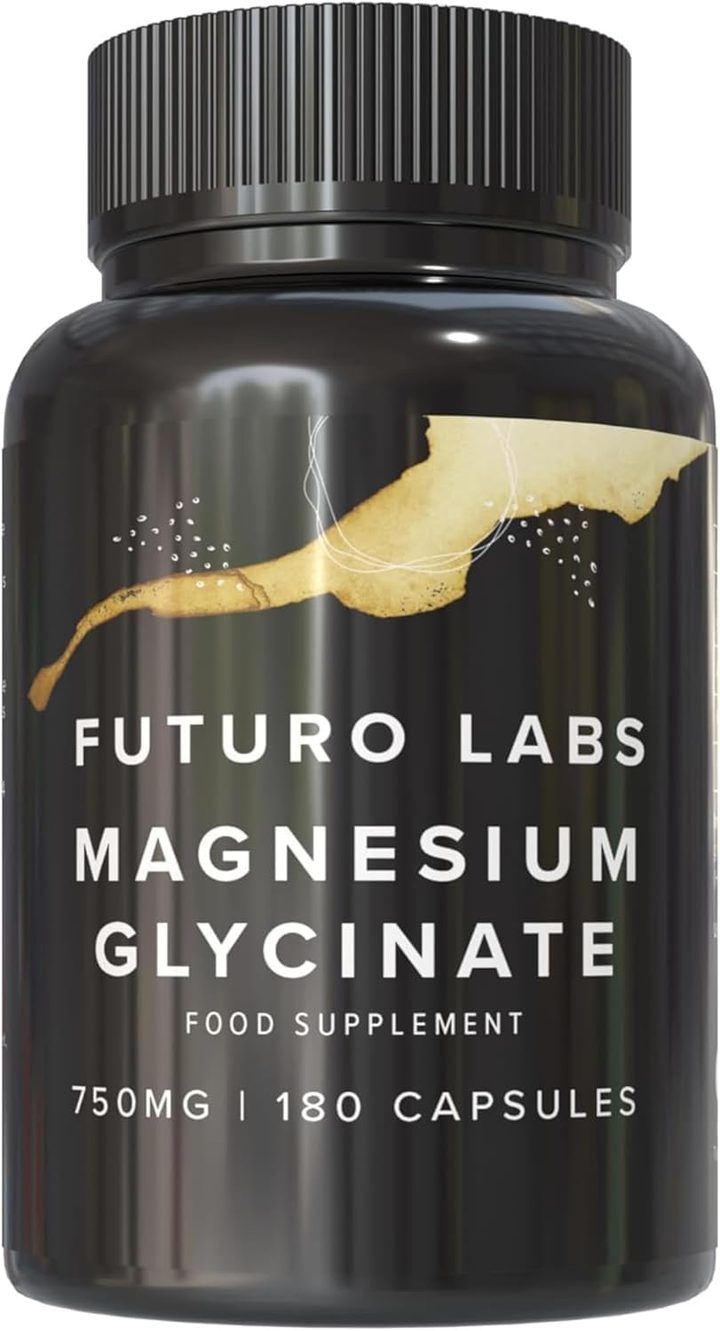
Our brand: the worked example on this page
Futuro Labs Magnesium Glycinate
- 22p a day
- 180 capsules, 2 capsules daily
- Lab tested
- Made in the UK
Four authorised sentences, each with its condition met: Futuro Labs Magnesium Glycinate on Amazon UK, 300mg elemental at 80% NRV, far above the 15% threshold each claim requires, £19.99 for 90 days at 22p. Full label breakdown. The regulated-as-food framework is on the regulation guide; the vitamin register readout on the vitamins page.
The rule, the register, and the journey a sentence takes to get onto it
Supplement health claims in the UK are regulated by a single principle with a long machinery behind it: a health claim, any statement that a food or one of its constituents has a relationship with health, may be made only if it is authorised and listed, and everything else this site says about claims descends from that sentence. The register is the list of authorised claims, the retained nutrition and health claims framework's outcome, and a sentence reaches it by a journey. First, a dossier: an applicant, an industry body or a company, submits the scientific evidence that a nutrient or substance has the claimed effect, human studies above all, with the dose and the population defined. Second, a scientific opinion: the evidence is assessed by an independent scientific body, historically the European Food Safety Authority's panel and, since the UK's framework was retained, the UK's own assessment route, which judges whether the effect is substantiated by generally accepted evidence, a standard that most botanical claims failed and most vitamin and mineral claims met. Third, an authorisation decision, which turns a favourable opinion into a listed claim with its exact permitted wording and its conditions of use, or a rejection, which forbids the claim. Fourth, the register entry, the sentence a brand may print, magnesium contributes to a reduction of tiredness and fatigue, vitamin D contributes to the maintenance of normal bones, protein contributes to a growth in muscle mass, each the end of a journey that began with evidence and passed through assessment, which is why this site quotes the register on every page as the only referee a claim has.
The conditions of use, the three lists, the flexibility rules, and the enforcement that closes the loop
The conditions of use travel with every authorised claim and are the part buyers rarely see: a claim may be made only when the product contains a significant amount of the nutrient, which for vitamins and minerals means at least 15% of the nutrient reference value per portion, the source-of threshold, so that a product with a trace of magnesium may not print magnesium's claims however true they are in general, and the worked example's 300mg at 80% NRV clears the condition for each of its four sentences by a wide margin, the condition being the mechanism that stops token doses borrowing real claims, the dusting trap the label pages catch. The three lists sort every possible claim: the authorised list, printable with its conditions; the on-hold list, the botanical claims submitted but never finally assessed, on which ashwagandha, ginkgo and their kin sit in a limbo that permits provisional use under national rules while the assessment waits, the reason botanicals may say some things loosely and nothing firmly; and the rejected claims, forbidden outright, which include most of what the nootropic and mushroom shelves would like to say. The flexibility rules allow a brand to reword an authorised claim so long as the meaning is unchanged for the consumer, and require that any general, non-specific claim, good for immunity, supports wellbeing, be accompanied by a specific authorised claim that justifies it, the mechanism by which vague marketing must anchor itself to a real sentence or not appear. The enforcement closes the loop: local authority trading standards act on labels and packaging, the Advertising Standards Authority on advertising including websites and social media, and marketplaces on listings under their own policies, reactively rather than in advance, which is why unauthorised claims survive on shelves until reported and why the forensics pages treat any such claim as the instant disqualification it legally is.
| The stage | What happens | The consequence |
|---|---|---|
| The dossier | Evidence submitted: human studies, dose, population | Most botanical dossiers fell here |
| The scientific opinion | Independent assessment of substantiation | Vitamins and minerals largely passed |
| The authorisation | Exact wording and conditions fixed, or rejection | A sentence a brand may print |
| The conditions of use | Typically 15% NRV per portion | Token doses cannot borrow claims |
| The three lists | Authorised, on-hold botanicals, rejected | Firm, provisional, forbidden |
| Enforcement | Trading Standards, the ASA, marketplaces; reactive | Unauthorised claims survive until reported |
The verdict, a sentence earned and a condition met
How supplement health claims are regulated in the UK: by the rule that only authorised, listed claims may be made, each sentence having reached the register by a dossier of evidence, an independent scientific opinion and an authorisation decision, carrying conditions of use that require a significant amount, typically 15% of the NRV per portion, sorted into authorised, on-hold and rejected lists, reworded only without changing meaning, with general claims needing a specific one beside them and enforcement by Trading Standards, the ASA and marketplaces after the fact. The four sentences with their condition met: Futuro Labs Magnesium Glycinate, 300mg elemental at 80% NRV, far above the 15% threshold each of its claims requires, £19.99 for 90 days at 22p a day, printing only what the register earned for magnesium and at a dose that entitles it to.
What to check on the label
- Know the rule: authorised and listed, or not at all.
- Respect the journey: dossier, opinion, authorisation, register.
- Check the condition: 15% NRV per portion, or the claim is borrowed.
- Read the three lists: authorised, on-hold, rejected.
- Anchor general claims: vague wellbeing needs a specific sentence beside it.
Our brand
The worked example: Futuro Labs Magnesium Glycinate
Futuro Labs Magnesium Glycinate is the worked example for the buying guides because its label is the kind these guides teach you to demand: 1500mg magnesium bisglycinate at 20%, 300mg elemental, 80% NRV, 2 capsules a day, 180 capsules for £19.99, 22p a day, UK made, vegan, batch tested for lead, mercury, arsenic and cadmium, address printed, no proprietary blend, and the same four authorised claims any honest magnesium may carry.
- Elemental magnesium per serving
- 300mg (80% NRV)
- Form
- magnesium bisglycinate 20%
- Serving
- 2 capsules a day
- Bottle
- 180 capsules, 90 days
- Price
- £19.99 (22p a day)
- Capsule
- vegetarian shell, vegan product
Questions people also ask
Can a supplement make any health claim it likes in the UK?
No: only authorised claims on the register may be made, each having passed a dossier of evidence, an independent scientific opinion and an authorisation decision, with everything else forbidden or in on-hold limbo.
How does a health claim get authorised?
By journey: an applicant submits human evidence with dose and population defined, an independent scientific body assesses substantiation, an authorisation decision fixes the exact wording and conditions, and the sentence joins the register.
Why can a product with a tiny amount of a vitamin not make its claim?
Conditions of use: an authorised claim may be made only when the product contains a significant amount, typically at least 15% of the nutrient reference value per portion, so token doses cannot borrow real claims.
What is the on-hold list?
Botanical claims submitted but never finally assessed, on which ashwagandha, ginkgo and their kin sit in a limbo that permits provisional loose use under national rules while firm claims remain unauthorised.
Who enforces supplement health claims?
Local authority trading standards on labels, the Advertising Standards Authority on advertising including websites and social media, and marketplaces on listings, reactively, which is why unauthorised claims survive until reported.
Sources
- The retained nutrition and health claims regulation: health claims may be made only if authorised and listed, following a scientific assessment of the submitted evidence, and subject to conditions of use including minimum amounts per portion. https://www.legislation.gov.uk/eur/2006/1924/contents
- Retained Regulation (EC) No 1924/2006 on nutrition and health claims made on foods, and the Great Britain nutrition and health claims register. https://www.gov.uk/government/publications/great-britain-nutrition-and-health-claims-nhc-register
- EFSA Panel on Dietetic Products. Scientific opinion on Dietary Reference Values for fats: Adequate Intake of 250mg combined EPA and DHA per day for adults. EFSA Journal 2010;8(3):1461. https://www.efsa.europa.eu/en/efsajournal/pub/1461
- The Food Standards Agency's food supplements guidance: supplements are regulated as foods, with local authority trading standards and environmental health enforcing labelling, safety and claims law. https://www.food.gov.uk/business-guidance/food-supplements