Ghost Fitness/Lion's mane/What is the best vitamin for brain fog and memory?
What is the best vitamin for brain fog and memory?
The short answer
Read the register: iron, zinc and iodine hold normal cognitive function, the B vitamins hold psychological function, pantothenic acid mental performance, and DHA brain function at 250mg. Persistent brain fog earns a GP blood test before any bottle.
- Normal cognitive functioniron, zinc and iodine: the register's exact holders
- Normal psychological functionB6, B12, folate, thiamine, niacin, biotin among the Bs
- The other two entriespantothenic acid: mental performance; DHA at 250mg: brain function
- The step before bottlespersistent fog: GP bloods test B12, iron and thyroid cheaply
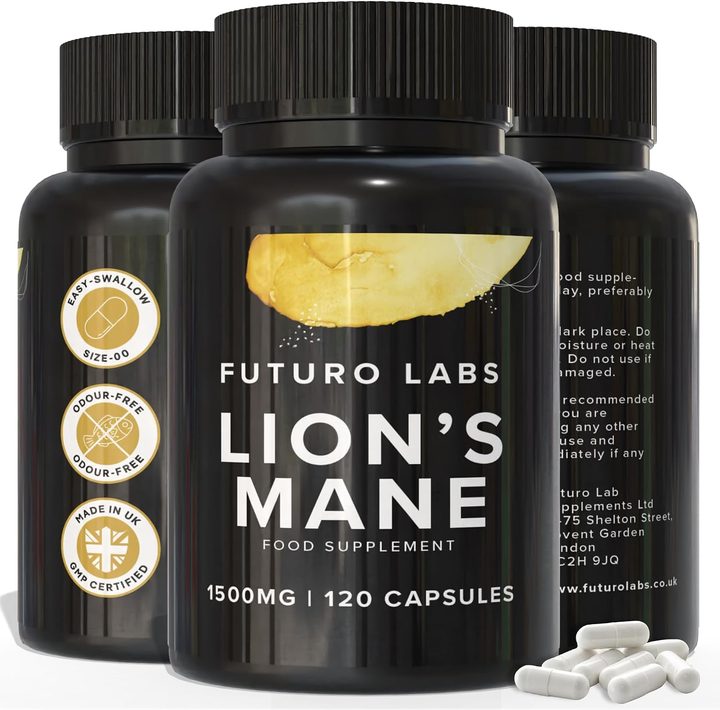
Our brand: the worked example on this page
Futuro Labs Lion's Mane
- 13p a day
- 120 capsules, 1 capsule daily
- Lab tested
- Made in the UK
The claims-free neighbour, filed honestly: Futuro Labs Lion's Mane on Amazon UK holds no cognitive claims at all, 5:1 fruiting body extract at 13p a day, studies described as studies. Full label breakdown. DHA's brain-function claim lives in the omega-3 section; the wider shelf on the supplements page.
The register read out properly, because this question has an official answer nobody quotes
This query has something rare in the supplement world, an official answer, because the UK claims register lists exactly which nutrients hold cognitive-adjacent sentences, and reading it out is the most honest page this title can carry. Normal cognitive function, the register's strongest cognitive phrase, belongs to three minerals: iron, zinc and iodine, each contributing to normal cognitive function at label thresholds, iodine's entry the least famous and the most striking given how quietly it rides in iodised contexts. Normal psychological function belongs to the B family: B6, B12, folate, thiamine, niacin and biotin all hold it, alongside the B family's reduction-of-tiredness-and-fatigue entries that speak to the fog half of this query directly, B12 and folate also carrying normal red-blood-cell and homocysteine sentences that connect to the deficiency logic below. Normal mental performance belongs to pantothenic acid, the register's quietest cognitive holder. And maintenance of normal brain function belongs to DHA, the omega-3, at 250mg daily, the one entry that lives outside the vitamin aisle entirely and inside this site's omega-3 section, where its pages price it properly. That list is the whole lawful answer: the best vitamin for brain fog and memory, in the only sense a label may claim, is whichever of those holders your diet actually runs short of, which turns the question from shopping into checking, and the checking is the page's real work.
The deficiency logic, the GP step stated plainly, and the aisle's unlicensed neighbours filed where they belong
The deficiency logic matters because it is where this query's real cases live: vitamin B12 deficiency and iron deficiency are established, common, testable causes of exactly the symptoms typed into this search, fatigue, poor concentration, low mood, the fog, and both are identified by routine, inexpensive GP blood tests and corrected by treating the deficiency, with thyroid function sitting on the same standard panel for the same symptom cluster, so the honest order of operations is written by medicine rather than marketing: persistent brain fog, weeks not days, earns a GP appointment and bloods before any bottle, because a bottle bought blind either misses a real deficiency, masks nothing, or supplements a level that was already replete, where the register's sentences are maintenance grammar and more does not mean sharper, iron in particular being a mineral nobody should high-dose without a measured need. The lifestyle line belongs beside the bloods, stated once without lecture: sleep debt, chronic stress, dehydration and sedentary weeks produce fog no capsule addresses, and the exercise-and-cognition literature makes training the best-evidenced daily intervention on this entire page. The aisle's unlicensed neighbours then file where honesty puts them: nootropic blends borrow the register's vocabulary without holding its entries, and lion's mane, this section's own subject, holds no cognitive claim at any dose, its small trials described as studies on its own pages, a 13p flat-expectations bet a reader may run beside, never instead of, the checked-and-covered basics, which is exactly how the worked example's label behaves, printing its extract facts and not one borrowed word about the brain.
| The entry | The holders | The action |
|---|---|---|
| Normal cognitive function | Iron, zinc, iodine | Check intake; never high-dose iron unmeasured |
| Normal psychological function | B6, B12, folate, thiamine, niacin, biotin | Diet first; deficiency is testable |
| Mental performance and brain function | Pantothenic acid; DHA at 250mg daily | DHA's claim lives in the omega-3 aisle |
| The deficiency cases | B12, iron, thyroid on one GP panel | Persistent fog: bloods before bottles |
| The lifestyle line | Sleep, stress, hydration, training | The best-evidenced daily intervention is exercise |
| The unlicensed neighbours | Nootropic blends; lion's mane | No cognitive claims: research bets, filed as such |
The verdict, quoted from the register
What is the best vitamin for brain fog and memory: the register answers by name, iron, zinc and iodine holding normal cognitive function, the B family holding psychological function and the fatigue entries, pantothenic acid mental performance, and DHA brain function at 250mg from the omega-3 aisle, with the honest order of operations putting a GP blood test for B12, iron and thyroid before any bottle when fog persists, and the lifestyle line, sleep and training, outranking the shelf entirely. The claims-free neighbour files itself correctly: Futuro Labs Lion's Mane, 5:1 fruiting body extract at 13p a day, no cognitive claim on the label because none exists, a research bet beside the register's answer and never a substitute for it.
What to check on the label
- Quote the register first: iron, zinc, iodine, the Bs, pantothenic acid, DHA.
- Persistent fog means bloods: B12, iron and thyroid on one cheap panel.
- Never high-dose iron blind: measure before supplementing that one.
- Sleep and training outrank the shelf: the best-evidenced daily levers.
- File the unlicensed honestly: lion's mane holds no cognitive claim.
Our brand
The worked example: Futuro Labs Lion's Mane
Futuro Labs Lion's Mane: 1 capsule daily of 5:1 fruiting body extract, labelled 1500mg mushroom equivalent (about 300mg extract), 120 capsules for £15.49, 120 days at 13p a day. Vegan HPMC shell, UK made under GMP and BRC, independently lab tested, caffeine free. Lion's mane holds no authorised UK health claims; this site describes its small studies as studies.
- Extract
- fruiting body, 5:1
- Per capsule
- 1500mg mushroom equivalent
- Serving
- 1 capsule a day
- Bottle
- 120 capsules, 120 days
- Price
- £15.49 (13p a day)
- Capsule
- HPMC vegan shell, size 00
Questions people also ask
Which vitamins actually hold cognitive claims in the UK?
By register entry: iron, zinc and iodine for normal cognitive function, the B vitamins for normal psychological function, pantothenic acid for mental performance, and DHA at 250mg for brain function.
Can a vitamin deficiency cause brain fog?
Yes, and testably: B12 and iron deficiency are established causes of fatigue and poor concentration, identified by routine GP bloods that also check thyroid, which is why bloods come before bottles.
Should I just take a B-complex for fog?
Diet-first, then test if fog persists: the B entries are maintenance sentences, deficiency correction is what changes symptoms, and a blind bottle can miss the real cause.
Where does lion's mane fit for memory?
Outside the register: it holds no cognitive claim at any dose, its small trials are described as studies, and it files as a 13p research bet beside, never instead of, the checked basics.
What non-supplement helps brain fog most?
The lifestyle line: sleep repaid, stress managed, hydration kept and training done, the exercise-and-cognition literature making movement the page's best-evidenced daily intervention.
Sources
- The GB nutrition and health claims register, cognitive entries: iron, zinc and iodine hold normal cognitive function; B vitamins hold normal psychological function; pantothenic acid holds normal mental performance; DHA holds maintenance of normal brain function at 250mg. https://www.gov.uk/government/publications/great-britain-nutrition-and-health-claims-nhc-register
- The deficiency and cognition literature: vitamin B12 and iron deficiency are established, testable causes of fatigue and cognitive symptoms, identified by routine GP blood tests and corrected by treating the deficiency. PubMed record
- Retained Regulation (EC) No 1924/2006 on nutrition and health claims made on foods, and the Great Britain nutrition and health claims register. https://www.gov.uk/government/publications/great-britain-nutrition-and-health-claims-nhc-register
- EFSA Panel on Dietetic Products. Scientific opinion on Dietary Reference Values for fats: Adequate Intake of 250mg combined EPA and DHA per day for adults. EFSA Journal 2010;8(3):1461. https://www.efsa.europa.eu/en/efsajournal/pub/1461