Ghost Fitness/Guides/Is British Supplements regulated?
Is British Supplements regulated?
The short answer
Yes, as food, not as medicine: UK supplements sit under food safety law, the Food Supplements Regulations, claims law and contaminant limits, enforced by local authorities. What regulation does not do is pre-approve products or require testing before sale.
- The statusregulated as foods, under food law, not as medicines
- The frameworkfood safety law, the Food Supplements Regulations, claims law, contaminant limits, novel foods
- The enforcerslocal authority trading standards and environmental health; the FSA sets policy
- The two gapsno pre-market approval of products; no mandatory testing before sale
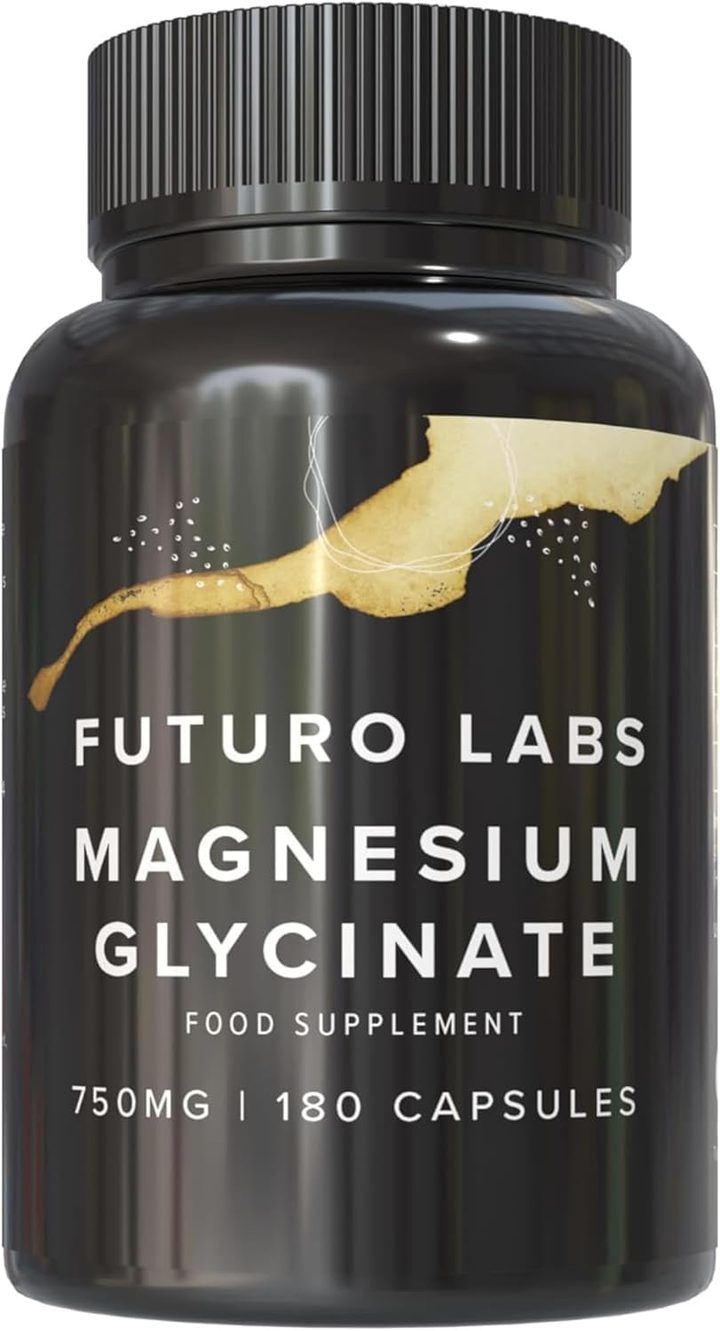
Our brand: the worked example on this page
Futuro Labs Magnesium Glycinate
- 22p a day
- 180 capsules, 2 capsules daily
- Lab tested
- Made in the UK
A supplement compliant with every layer it sits under: Futuro Labs Magnesium Glycinate on Amazon UK, food supplement particulars printed, authorised claims only, permitted form, batch tested, £19.99 for 90 days at 22p. Full label breakdown. The 2003 Regulations are read on the Regulations guide; the testing question on the testing guide.
Regulated as food and not as medicine, and the misconception that the word unregulated carries
Are supplements regulated in the UK: yes, and the confusion in the question comes from a single word doing two jobs, because when people say supplements are unregulated they usually mean supplements are not regulated like medicines, which is true and is a different thing from being unregulated. UK supplements are foods in law, regulated under the food framework rather than the medicines one, and the framework has layers. The general food safety law, which makes it an offence to sell food that is unsafe, misleadingly labelled or not of the nature, substance or quality demanded, applying to a capsule of magnesium as to a loaf of bread. The Food Supplements Regulations, which define a food supplement, prescribe its mandatory label particulars, the words food supplement, the daily portion, the warnings, the quantities, the address, and set a positive list of the vitamin and mineral forms that may be used, the Regulations guide's whole subject. The nutrition and health claims framework, which permits only authorised claims, the register this site quotes on every page, and prohibits the rest, so that a focus claim on a mushroom is unlawful advertising rather than a matter of opinion. The contaminant regulations, setting maximum levels for lead, cadmium, mercury and arsenic in supplements. The novel food framework, requiring authorisation for ingredients without a history of consumption. And the enforcement, which is where the framework meets the shelf: local authority trading standards and environmental health officers enforce labelling, safety and claims law, with the Food Standards Agency setting policy and guidance, and with the Advertising Standards Authority and marketplace policies acting on advertising claims, a system that is real, reactive and stretched.
The two things regulation deliberately does not do, the variant about the future, and the buyer's conclusion
The honest answer names what the food framework does not do, because those absences are what unregulated is gesturing at. It does not pre-approve products: a medicine must be licensed before sale, its efficacy and safety assessed by the regulator on evidence submitted in advance, and a food supplement must not, a brand being free to place a compliant product on the market without anyone checking it first, the framework relying on the brand's own compliance and on enforcement after the fact, which is why a non-compliant product can sit on a marketplace until someone complains. It does not require testing before sale: no law obliges a supplement brand to have each batch independently tested for contaminants or potency, the contaminant limits being a standard a product must meet rather than a test it must pass, so testing is voluntary, which is why this site's four tests include testing shown and why the testing guides teach buyers to ask for certificates rather than assume them. Will supplements ever be regulated, the variant asks, and the honest reply is that they are, as foods, and that the debate underneath the question is whether they should be regulated more like medicines, with pre-market approval and mandatory testing, a policy argument with costs on both sides that this site does not settle and that no change in the framework has resolved. The buyer's conclusion follows from the gaps: because nobody pre-approves and nobody mandates testing, the buyer runs the checks the framework leaves to them, the label particulars present, the claims authorised, the form on the positive list, the testing shown and askable, the address printed and the company real, the worked example being compliant on every layer it sits under and tested where the law did not oblige it to be, which is what a regulated-as-food product looks like when the brand does the part the framework left voluntary.
| The layer | What it does | Who enforces |
|---|---|---|
| General food safety law | Unsafe or misleading food is an offence | Local authorities; the FSA sets policy |
| The Food Supplements Regulations | Label particulars; the positive list of forms | Trading standards |
| Claims law | Only authorised claims; the rest prohibited | Trading standards; the ASA on advertising |
| Contaminant limits and novel foods | Maximum metal levels; authorisation for new ingredients | Enforcement after the fact |
| Gap one | No pre-market approval of products | The brand's own compliance |
| Gap two | No mandatory testing before sale | Voluntary: ask for the certificate |
The verdict, regulated as food and checked by the buyer
Are British supplements regulated: yes, as foods and not as medicines, under general food safety law, the Food Supplements Regulations, claims law, contaminant limits and the novel food framework, enforced by local authority trading standards with the FSA setting policy, and deliberately not doing two things, pre-approving products before sale and requiring testing before sale, the gaps that the word unregulated gestures at and that leave the label checks and the certificate request to the buyer. The product compliant on every layer and tested where the law did not require it: Futuro Labs Magnesium Glycinate, food supplement particulars printed, authorised claims only, bisglycinate on the positive list, batch tested for metals, UK address, £19.99 for 90 days at 22p a day, regulated as food and behaving as if someone checked.
What to check on the label
- Read unregulated as not-like-medicines: supplements are foods in law.
- Know the layers: food safety, the 2003 Regulations, claims, contaminants, novel foods.
- Know the enforcers: local authorities, the FSA, the ASA.
- Name the two gaps: no pre-approval, no mandatory testing.
- Run the checks the gaps leave you: particulars, claims, form, testing, address.
Our brand
The worked example: Futuro Labs Magnesium Glycinate
Futuro Labs Magnesium Glycinate is the worked example for the buying guides because its label is the kind these guides teach you to demand: 1500mg magnesium bisglycinate at 20%, 300mg elemental, 80% NRV, 2 capsules a day, 180 capsules for £19.99, 22p a day, UK made, vegan, batch tested for lead, mercury, arsenic and cadmium, address printed, no proprietary blend, and the same four authorised claims any honest magnesium may carry.
- Elemental magnesium per serving
- 300mg (80% NRV)
- Form
- magnesium bisglycinate 20%
- Serving
- 2 capsules a day
- Bottle
- 180 capsules, 90 days
- Price
- £19.99 (22p a day)
- Capsule
- vegetarian shell, vegan product
Questions people also ask
Are supplements in the UK regulated?
Yes, as foods: under general food safety law, the Food Supplements Regulations, claims law, contaminant limits and the novel food framework, enforced by local authorities with the FSA setting policy, and not as medicines.
Why do people say supplements are unregulated?
They mean not regulated like medicines: no regulator pre-approves a supplement's efficacy or safety before sale and no law mandates batch testing, so compliance rests on the brand and enforcement happens after the fact.
Who enforces supplement regulation in the UK?
Local authority trading standards and environmental health officers, with the Food Standards Agency setting policy and guidance and the Advertising Standards Authority acting on advertising claims.
Will supplements ever be regulated like medicines?
That is a policy argument about pre-market approval and mandatory testing, with costs on both sides, that no framework change has resolved; they are regulated now, as foods, and the debate is about how much more.
What should I check that the regulation does not check for me?
The label particulars present, the claims authorised, the mineral form on the positive list, testing shown and askable, the address printed and the company real, the checks the two gaps leave to the buyer.
Sources
- The Food Standards Agency's food supplements guidance: supplements are regulated as foods, with local authority trading standards and environmental health enforcing labelling, safety and claims law. https://www.food.gov.uk/business-guidance/food-supplements
- The Food Supplements (England) Regulations 2003. https://www.legislation.gov.uk/uksi/2003/1387/contents/made
- Retained Regulation (EC) No 1924/2006 on nutrition and health claims made on foods, and the Great Britain nutrition and health claims register. https://www.gov.uk/government/publications/great-britain-nutrition-and-health-claims-nhc-register
- UK and retained EU contaminant law: maximum levels for lead, cadmium, mercury and arsenic in food supplements are set in legislation, with certain fungus-based supplements holding specific cadmium limits. https://www.legislation.gov.uk/eur/2006/1881/contents