Ghost Fitness/Guides/Which protein powders tested high for heavy metals?
Which protein powders tested high for heavy metals?
The short answer
This site names no brands, but the pattern in independent testing is consistent: plant proteins carry more lead and cadmium than whey, chocolate flavours more than vanilla, and detectable is not the same as over the legal limit.
- The patternplant-based above whey; chocolate above vanilla; lead and cadmium the metals found
- Whyplants take up soil metals; cacao is a cadmium accumulator; whey is a filtered animal product
- The caveatdetectable at trace levels is not over the legal maximum; most results are below limits
- The checkyour own tub's batch certificate for the four metals
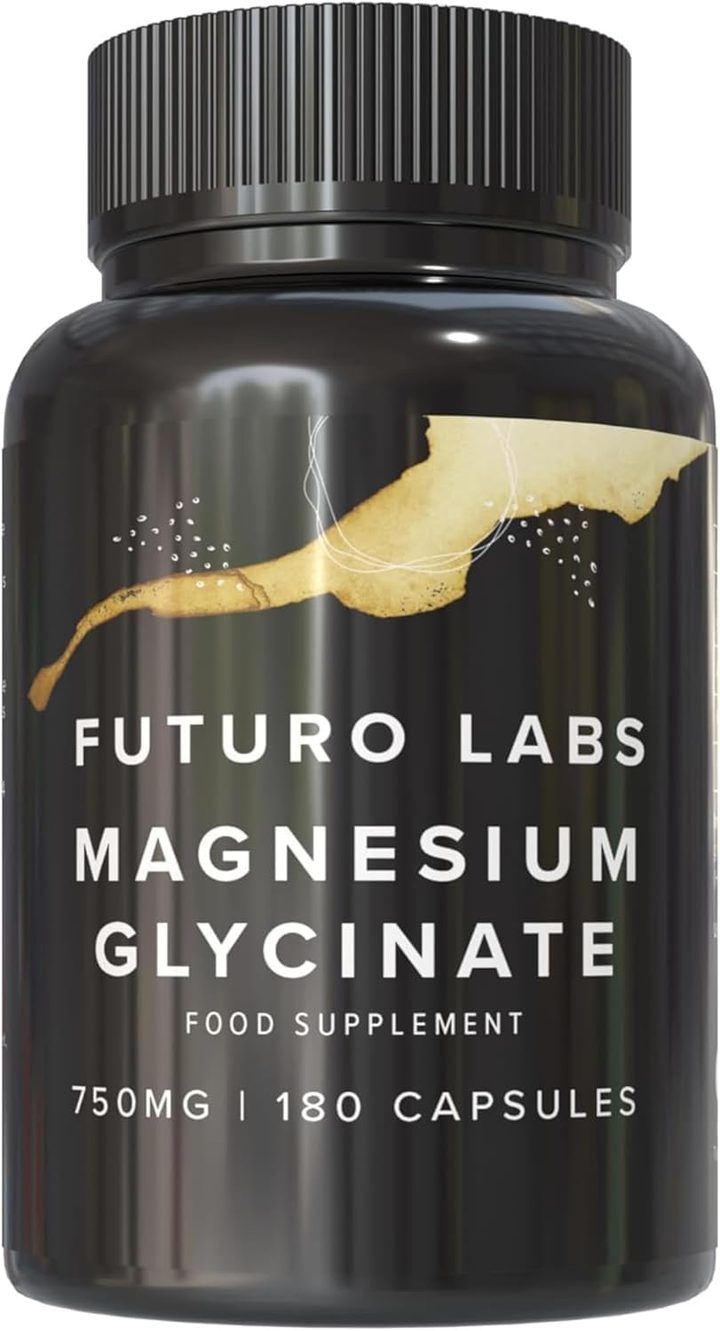
Our brand: the worked example on this page
Futuro Labs Magnesium Glycinate
- 22p a day
- 180 capsules, 2 capsules daily
- Lab tested
- Made in the UK
This site prices no protein; its guides' worked example is a mineral tested for the same four: Futuro Labs Magnesium Glycinate on Amazon UK, batch tested for lead, mercury, arsenic and cadmium, £19.99 for 90 days at 22p. Full label breakdown. The protein regulation gap is on the protein guide; the metals phrase parsed on the heavy metals guide.
Why this site gives the pattern rather than the names, and what the pattern is
Which protein powders tested high for heavy metals is a question this site answers with the pattern rather than the names, for two honest reasons: the independent consumer-testing reports that generate the names are mostly American, testing products and lots sold in another market against a different regulatory frame, so a name on that list may not describe the tub on a UK shelf; and a list of names is a snapshot of batches that change, contamination being a batch event driven by the raw-material lot, so that a brand that tested high in one report and reformulated its sourcing may be clean now and a brand absent from the report may not be. The pattern, though, is consistent across those reports and across the peer-reviewed literature, and it is the useful thing. Plant-based proteins carry more lead and cadmium on average than whey and other dairy proteins, pea, rice, hemp and soya protein being concentrated from plants that take up metals from soil, while whey is a filtered fraction of milk from which metals have largely been left behind. Chocolate-flavoured products carry more cadmium and lead on average than vanilla or unflavoured ones, because cacao is a recognised cadmium accumulator and cocoa powder brings its metals into the tub with its flavour. Organic labelling does not lower the numbers, since organic certification governs farming inputs and not the soil's metal content. And the metals found are lead and cadmium above all, mercury and arsenic appearing less often in protein than in marine and rice-derived products.
What detectable does and does not mean, the UK frame, and the check that answers the question for your own tub
The caveat the reports themselves make and headlines drop is the difference between detectable and over the limit: modern ICP-MS detects metals at parts per billion, so a great many foods and supplements show detectable lead and cadmium, and the question that matters is whether the measured amount exceeds the legal maximum level for supplements or, for a daily-serving product, contributes a meaningful share of a tolerable weekly intake, most results in the published testing falling below regulatory limits even where the headline said contaminated. The UK frame sets supplement-specific maximum levels for lead, cadmium, mercury and arsenic, and a UK-sold protein is bound by them, with local authority enforcement able to sample and act, so that the honest UK question is not which brand a foreign report named but whether a given batch meets the UK limits, which the report cannot tell you and a certificate can. The check that answers the question for your own tub is the one every testing guide here ends with: ask the brand for the certificate of analysis for the batch number on your tub, showing lead, cadmium, mercury and arsenic against the supplement limits, by ICP-MS, from a named laboratory, and read the reply as the test, a certificate confirming, a paragraph deferring and silence answering, with the pattern guiding the purchase before the certificate arrives, a whey vanilla from a brand that publishes metals certificates being the low-risk end of the category and a chocolate plant blend from a brand that publishes nothing being the end to ask harder questions of. This site prices no protein powder, disclosed as always, and its guides' worked example is a mineral tested for the same four metals its own category can carry, batch by batch, which is the standard any protein tub can be held to.
| The factor | The pattern | The reason |
|---|---|---|
| Plant versus whey | Plant-based higher in lead and cadmium | Plants take up soil metals; whey is a filtered dairy fraction |
| Chocolate versus vanilla | Chocolate higher, cadmium especially | Cacao is a cadmium accumulator |
| Organic | No lower on average | Organic governs inputs, not soil metals |
| Detectable versus over limit | Most results below regulatory maxima | ICP-MS detects parts per billion |
| The UK frame | Supplement-specific maximum levels, enforced | A foreign report cannot say whether a UK batch meets them |
| The check | Your batch's certificate for the four metals | The reply is the test |
The verdict, the pattern to buy by and the certificate to confirm with
Which protein powders tested high for heavy metals: this site gives the pattern rather than names, because the naming reports are mostly foreign snapshots of batches that change, and the pattern is consistent, plant-based proteins above whey, chocolate above vanilla, lead and cadmium the metals found, organic no lower, and detectable not the same as over the legal limit, most results falling below the supplement-specific maxima the UK enforces, so that the honest purchase follows the pattern and the honest confirmation is your own tub's batch certificate for the four metals. This site's shelf, disclosed: no protein priced, the worked example being Futuro Labs Magnesium Glycinate, batch tested for lead, mercury, arsenic and cadmium, £19.99 for 90 days at 22p a day, the standard any protein tub can be held to.
What to check on the label
- Buy by the pattern: whey and vanilla run lower than plant and chocolate.
- Read detectable correctly: parts per billion, not over the limit.
- Ignore foreign name lists for UK batches: snapshots of other markets.
- Ask for the batch certificate: four metals, limits, method, lab.
- Read the reply as the test: certificate, paragraph or silence.
Our brand
The worked example: Futuro Labs Magnesium Glycinate
Futuro Labs Magnesium Glycinate is the worked example for the buying guides because its label is the kind these guides teach you to demand: 1500mg magnesium bisglycinate at 20%, 300mg elemental, 80% NRV, 2 capsules a day, 180 capsules for £19.99, 22p a day, UK made, vegan, batch tested for lead, mercury, arsenic and cadmium, address printed, no proprietary blend, and the same four authorised claims any honest magnesium may carry.
- Elemental magnesium per serving
- 300mg (80% NRV)
- Form
- magnesium bisglycinate 20%
- Serving
- 2 capsules a day
- Bottle
- 180 capsules, 90 days
- Price
- £19.99 (22p a day)
- Capsule
- vegetarian shell, vegan product
Questions people also ask
Do protein powders contain heavy metals?
Many contain detectable traces, lead and cadmium above all, at parts-per-billion levels modern analysis detects, with most results in independent testing falling below the supplement-specific legal maximum levels.
Which types of protein powder have the most heavy metals?
Plant-based proteins on average carry more lead and cadmium than whey, and chocolate flavours more cadmium than vanilla, because plants take up soil metals and cacao is a cadmium accumulator.
Why won't this site name the brands that tested high?
Because the naming reports are mostly American snapshots of batches sold in another market under another frame, and contamination is a batch event that sourcing changes, so a name is out of date the moment a lot changes.
Is organic protein powder lower in heavy metals?
Not on average: organic certification governs farming inputs and not the soil's metal content, so an organic plant protein carries the plant's metals like any other.
How do I check my own protein powder?
Ask the brand for the certificate of analysis for the batch on your tub showing lead, cadmium, mercury and arsenic against the supplement limits by ICP-MS from a named laboratory, and read the reply as the test.
Sources
- The protein powder contaminant literature: independent testing programmes report detectable lead and cadmium in a share of protein powders, higher on average in plant-based and chocolate-flavoured products than in whey and vanilla, with most results below regulatory limits. PubMed record
- UK and retained EU contaminant law: maximum levels for lead, cadmium, mercury and arsenic in food supplements are set in legislation, with certain fungus-based supplements holding specific cadmium limits. https://www.legislation.gov.uk/eur/2006/1881/contents
- The heavy metals analysis literature: inductively coupled plasma mass spectrometry is the standard method for quantifying lead, cadmium, mercury and arsenic in dietary supplements against regulatory maximum levels. PubMed record
- The protein powder adulteration literature: amino spiking, adding cheap free amino acids to inflate measured protein content, and undeclared ingredients are documented adulteration patterns in the protein and pre-workout categories. PubMed record