Ghost Fitness/Guides/Does Informed Sport certified test for heavy metals?
Does Informed Sport certified test for heavy metals?
The short answer
No: Informed Sport tests for prohibited substances under the anti-doping code, and heavy metals are a food-law contaminant question answered by a separate certificate of analysis. A certified product can still be untested for metals.
- Law onethe anti-doping code: prohibited substances, strict liability, Informed Sport's scope
- Law twofood law: contaminant maximum levels for lead, cadmium, mercury, arsenic
- Document onethe certification: batch screened for the prohibited list
- Document twoa certificate of analysis: metals measured against limits, per batch
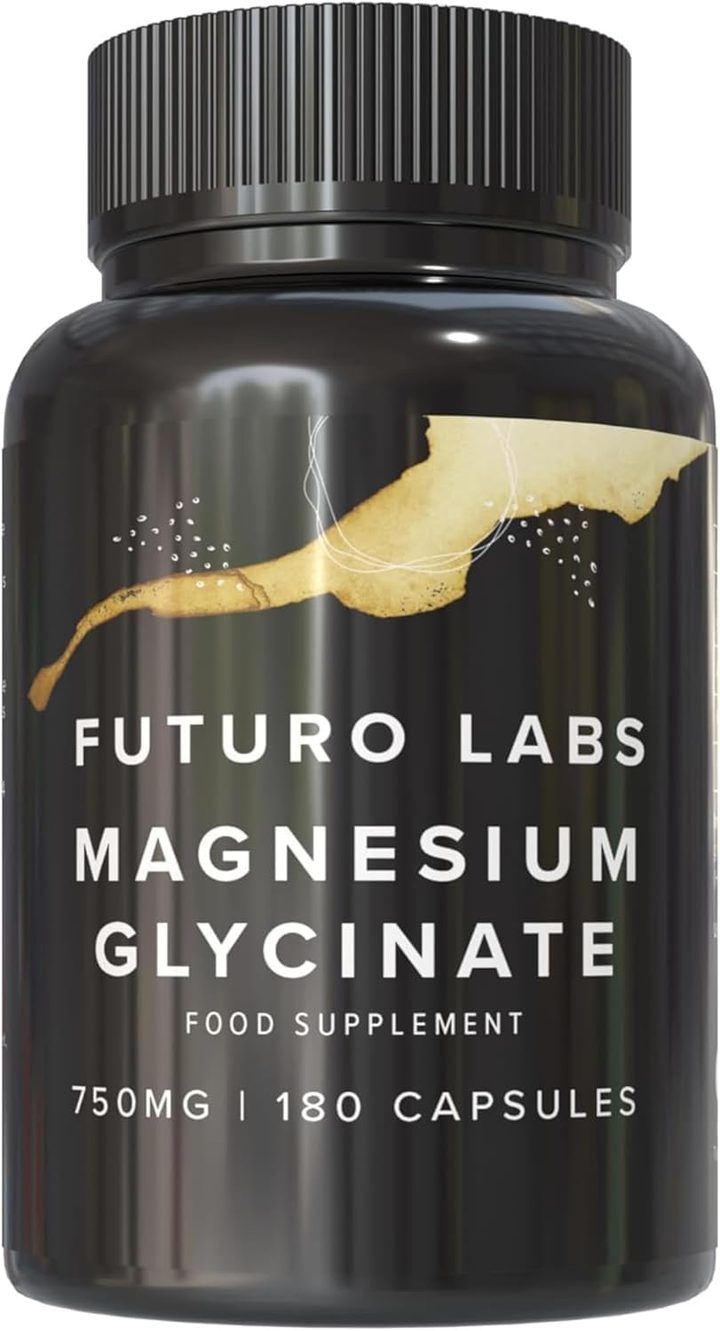
Our brand: the worked example on this page
Futuro Labs Magnesium Glycinate
- 22p a day
- 180 capsules, 2 capsules daily
- Lab tested
- Made in the UK
Document two, held and askable: Futuro Labs Magnesium Glycinate on Amazon UK, batch tested for lead, mercury, arsenic and cadmium, no document one, £19.99 for 90 days at 22p. Full label breakdown. The tested-for-what matrix is on the tested supplements guide; the mushroom metals dossier on the heavy metals page.
Two laws asking two questions, and why the certification answers only one of them
Informed Sport certified does not test for heavy metals, and the reason is structural rather than an oversight: two different bodies of law ask two different questions of a supplement, and the certification answers one. Law one is the anti-doping code, under which an athlete is strictly liable for any prohibited substance in their sample, and Informed Sport exists to serve that code, screening every batch of a certified product for the substances on the prohibited list, anabolic agents, stimulants, diuretics and masking agents, hormone modulators and the rest, and auditing the manufacturing site for cross-contamination with them, the question being will this product cause a positive test, and the answer being the certification. Law two is food law, under which a supplement must not exceed maximum levels for contaminants, lead, cadmium, mercury and inorganic arsenic among them, limits set for supplements specifically because concentrated products concentrate contaminants, the question being is this product safe to eat as a food, and the answer being a certificate of analysis from an accredited laboratory reporting measured values against those limits, per batch. Heavy metals are not on the prohibited list, because they are not doping agents, and prohibited substances are not contaminants in the food-law sense, because they are not what the maximum levels cover, so the two questions do not overlap, the two documents do not substitute for each other, and a product can hold either without the other, the certified whey with no metals certificate and the metals-tested mushroom with no certification both being ordinary.
Where the confusion does damage, the categories where metals matter most, and the two-document rule
The confusion does damage in a specific place: the reader who sees a certification logo and assumes the product is clean in every sense, buying a certified botanical or mushroom product on the strength of a logo that never looked at cadmium, the metal that bioaccumulating fungi concentrate most, or a certified fish oil on a logo that never measured mercury, PCBs or oxidation, the tested-for-what matrix's whole point being that the test must match the category's risk and the certification matching only one risk for all categories. The categories where metals matter most are the ones where the logo is rarest: mushrooms and botanicals, which inherit their substrate's metals and where a per-batch metals panel is the central test; marine oils, where mercury sits beside the other marine contaminants; and mineral supplements, where the mineral's own source can carry metals, magnesium and calcium salts included, which is why the worked example's metals testing is the certificate its category needs. The two-document rule that resolves the question: for doping risk, a tested athlete holds document one, the certification, matched by batch on the database; for contaminant risk, every buyer of an at-risk category holds document two, a certificate of analysis for metals and microbiology, requested from the brand with the four questions; and a product that needs both, a certified mushroom extract for a drug-tested athlete, holds both, from two different sources, because no single document has ever covered both laws. The worked example, stated as always: document two held, independent batch testing for lead, mercury, arsenic and cadmium, askable; document one not held, no sports certification; a mineral tested for what its category carries and honest about the logo it lacks.
| The item | Doping risk | Contaminant risk |
|---|---|---|
| The law | The anti-doping code; strict liability | Food law; contaminant maximum levels |
| The question | Will this cause a positive test? | Is this safe to eat as a food? |
| The analytes | The prohibited list's classes | Lead, cadmium, mercury, arsenic; microbiology |
| The document | Informed Sport certification, per batch | A certificate of analysis, per batch |
| Who needs it | Drug-tested athletes | Every buyer of mushrooms, botanicals, oils, minerals |
| The worked example | Not held | Held: lead, mercury, arsenic, cadmium |
The verdict, one logo for one law
Does Informed Sport certified test for heavy metals: no, the certification serving the anti-doping code by screening batches for prohibited substances, and heavy metals being a food-law contaminant question answered by a separate certificate of analysis measuring lead, cadmium, mercury and arsenic against maximum levels, the two documents never substituting for each other, so that a certified product can be untested for metals and a metals-tested product uncertified, and the buyer of an at-risk category asks the brand for the metals certificate whatever logo the tub carries. Document two held and document one not: Futuro Labs Magnesium Glycinate, batch tested for lead, mercury, arsenic and cadmium, no sports certification, £19.99 for 90 days at 22p a day.
What to check on the label
- Separate the two laws: anti-doping code, food law.
- Separate the two documents: certification, certificate of analysis.
- Never let a logo stand in for metals: it never looked at cadmium.
- Ask for the metals certificate in at-risk categories: mushrooms, botanicals, oils, minerals.
- Hold both if you need both: from two sources.
Our brand
The worked example: Futuro Labs Magnesium Glycinate
Futuro Labs Magnesium Glycinate is the worked example for the buying guides because its label is the kind these guides teach you to demand: 1500mg magnesium bisglycinate at 20%, 300mg elemental, 80% NRV, 2 capsules a day, 180 capsules for £19.99, 22p a day, UK made, vegan, batch tested for lead, mercury, arsenic and cadmium, address printed, no proprietary blend, and the same four authorised claims any honest magnesium may carry.
- Elemental magnesium per serving
- 300mg (80% NRV)
- Form
- magnesium bisglycinate 20%
- Serving
- 2 capsules a day
- Bottle
- 180 capsules, 90 days
- Price
- £19.99 (22p a day)
- Capsule
- vegetarian shell, vegan product
Questions people also ask
Why doesn't Informed Sport test for heavy metals?
Because it serves the anti-doping code, screening for prohibited substances that cause positive tests, and heavy metals are not doping agents; they are food-law contaminants with their own maximum levels and their own certificate.
Can an Informed Sport certified product be contaminated with metals?
In principle yes: the certification never measured them, so a certified mushroom, botanical, oil or mineral product's metals status depends entirely on whether the brand holds a separate certificate of analysis.
What document shows heavy metals testing?
A certificate of analysis from an accredited laboratory, per batch, reporting lead, cadmium, mercury and arsenic against the food-law maximum levels, requested from the brand with the four questions: which lab, which batch, which analytes, where.
Which supplements need a metals certificate most?
Mushrooms and botanicals, which concentrate their substrate's metals, cadmium especially; marine oils, where mercury sits with other marine contaminants; and minerals, whose source salts can carry metals.
Does the worked example hold either document?
The metals certificate, yes: independent batch testing for lead, mercury, arsenic and cadmium, askable; the sports certification, no, stated plainly.
Sources
- UK and retained EU contaminant law: maximum levels for lead, cadmium, mercury and arsenic in food supplements are set in legislation, with certain fungus-based supplements holding specific cadmium limits. https://www.legislation.gov.uk/eur/2006/1881/contents
- The World Anti-Doping Code and the strict liability principle: athletes are responsible for any prohibited substance found in their sample regardless of intent, with contaminated supplements a documented source of positive tests. https://www.wada-ama.org/en/prohibited-list
- The sports supplement certification programmes: Informed Sport, Informed Choice, BSCG and NSF Certified for Sport test products or batches for banned substances, the assurance competing athletes rely on. https://sport.wetestyoutrust.com/
- The Food Supplements (England) Regulations 2003. https://www.legislation.gov.uk/uksi/2003/1387/contents/made