Ghost Fitness/Guides/Is Informed Sport certified legit?
Is Informed Sport certified legit?
The short answer
Yes: it is run by an accredited laboratory group, tests to anti-doping standards, publishes its certified products and batches on a public database, and is widely recognised by federations. The certified list is that database, searched by product.
- Who runs itLGC, an accredited laboratory group, not a supplement brand or a trade body
- How it is accreditedISO 17025 laboratory accreditation for the testing
- Who recognises itfederations and anti-doping guidance across sports
- The certified listthe public database, by product and batch
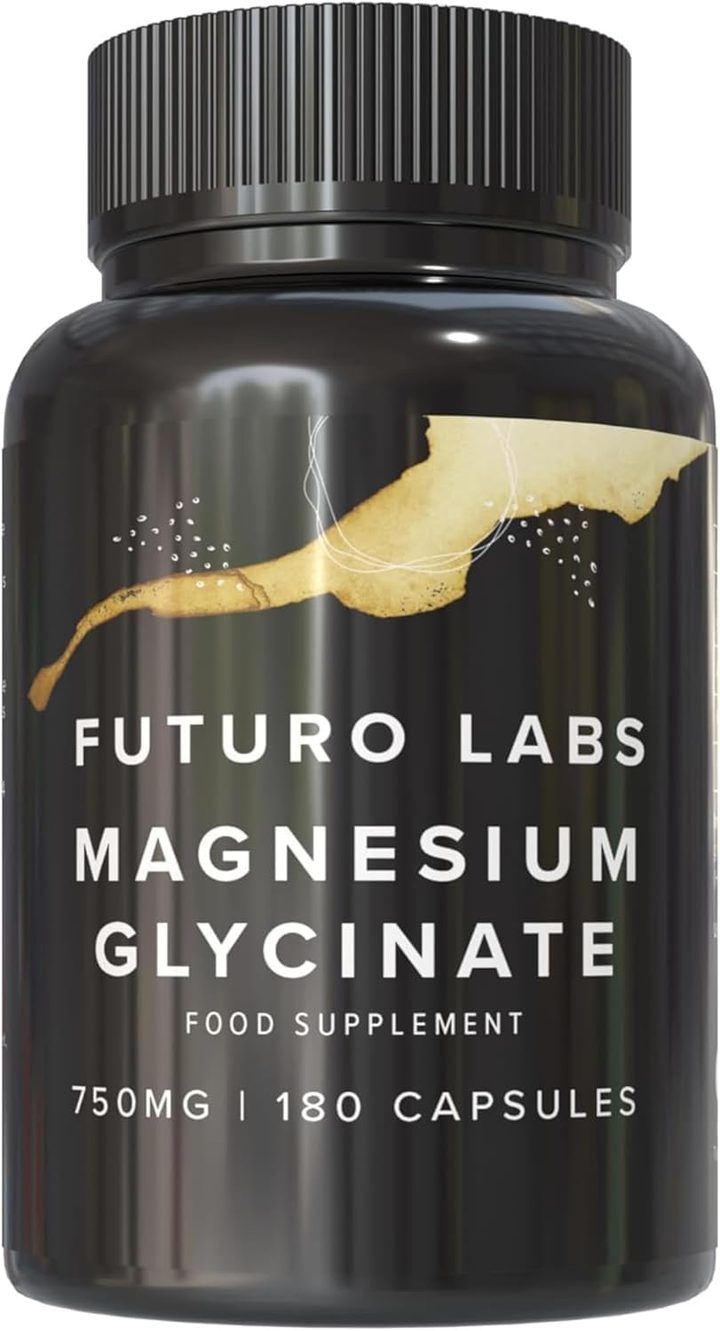
Our brand: the worked example on this page
Futuro Labs Magnesium Glycinate
- 22p a day
- 180 capsules, 2 capsules daily
- Lab tested
- Made in the UK
A product outside the programme, stated as such: Futuro Labs Magnesium Glycinate on Amazon UK, batch tested for metals, UK GMP, no Informed Sport certification, £19.99 for 90 days at 22p. Full label breakdown. The programme's definition is on the certified guide; the batch walkthrough on the certified supplements guide.
Legit audited the way this site audits a brand, by credentials that can be checked rather than by reputation
Is Informed Sport certified legit is the right question to ask of any certifier, since a logo is only as good as the body behind it, and this site answers it the way it audits a brand, by credentials that can be checked rather than by reputation repeated. Who runs it: Informed Sport is operated by LGC, an accredited laboratory group with a long history in analytical science and anti-doping work, which matters because the certifier is a laboratory rather than a supplement brand certifying itself, a trade association funded by the companies it assesses, or a marketing scheme licensing a badge, the certifier's independence from the sellers being the first thing the reputable brands guide would ask. How it is accredited: the testing behind the programme operates under ISO 17025, the international standard for the competence of testing laboratories, an external accreditation of the lab's methods, staff and quality system, so that the analysis of a batch for prohibited substances is done by a laboratory whose competence has itself been audited, at the sensitivity anti-doping testing demands. Who recognises it: the programme is widely referenced in the guidance sports federations and anti-doping bodies give athletes about supplement risk, the practical test of a certification's standing being whether the bodies whose rules bind the athlete point to it, and an athlete's own federation being the final word on which programmes it accepts. Where the paperwork lives: the programme publishes its certified products and, because it tests every batch, the batches, on a public database that anyone can search, which is the answer to the variant riding on this query, the certified list being not a page of names on a retailer's site but the certifier's own register, searched by product and matched by batch.
The honest limits that a legit certifier still has, the check a buyer runs, and the verdict
A legit certifier still has limits, and stating them is part of the audit. The scope is doping risk, testing for substances on the prohibited list and auditing the manufacturing site, and not heavy metals, potency, efficacy or claims, so a certified product is exactly as claim-free and as metals-tested as its own label and certificate make it, the four label tests applying after the logo. The unit is the product and the batch, not the brand, so a company's certified line says nothing about its uncertified ones, and a certification can lapse while logo-bearing stock remains on shelves, the batch search catching both. The economics are fee-for-service, brands paying to enrol, be audited and have batches tested, which is how every independent certification scheme works, from food-safety audits to organic licensing, and which is answered not by pretending otherwise but by the protocol and accreditation that keep the result independent of who paid, the laboratory's ISO 17025 status being the safeguard. The check a buyer runs is the programme's own: the batch number on the tub searched on the database, a match meaning tested and no match meaning do not take it, the credentials above being why the match means something. The verdict: Informed Sport certified is legit in the checkable sense, an accredited laboratory group testing every batch to anti-doping standards and publishing the results on a database that federations point athletes to, with a scope and a unit that a buyer respects, and this site's own examples, stated as always, are metals-tested, UK GMP manufactured and not on that database, right for the untested lifter and a disclosure for the athlete who searches it.
| The credential | The finding | Why it matters |
|---|---|---|
| Who runs it | LGC, an accredited laboratory group | A lab, not a brand, trade body or badge scheme |
| How it is accredited | ISO 17025 for the testing | The lab's competence is itself audited |
| Who recognises it | Federations and anti-doping guidance | The bodies whose rules bind athletes point to it |
| The certified list | The public database, by product and batch | The certifier's register, not a retailer's page |
| The limits | Doping risk only; per product and batch; can lapse | The four label tests still apply; match the batch |
| The economics | Fee-for-service, as all certification is | Independence kept by protocol and accreditation |
The verdict, legit by credentials and bounded by scope
Is Informed Sport certified legit: yes, on credentials a buyer can check, an accredited laboratory group running the programme under ISO 17025 testing accreditation, every batch screened to anti-doping standards, the certified products and batches published on a public database that federations and anti-doping guidance point athletes to, with the honest limits that its scope is doping risk alone, its unit is the product and batch rather than the brand, and its fee-for-service model is the norm for independent certification and safeguarded by the accreditation. The certified list is that database. This site's example, outside it and stated so: Futuro Labs Magnesium Glycinate, batch tested for metals, UK GMP, no Informed Sport certification, £19.99 for 90 days at 22p a day.
What to check on the label
- Audit the certifier like a brand: who, accredited how, recognised by whom.
- Note it is a laboratory: not a brand, a trade body or a badge scheme.
- Use the database as the list: the certifier's register, by product and batch.
- Respect the scope: doping risk only; the four tests still apply.
- Match the batch anyway: legit certifiers still have lapses and old stock.
Our brand
The worked example: Futuro Labs Magnesium Glycinate
Futuro Labs Magnesium Glycinate is the worked example for the buying guides because its label is the kind these guides teach you to demand: 1500mg magnesium bisglycinate at 20%, 300mg elemental, 80% NRV, 2 capsules a day, 180 capsules for £19.99, 22p a day, UK made, vegan, batch tested for lead, mercury, arsenic and cadmium, address printed, no proprietary blend, and the same four authorised claims any honest magnesium may carry.
- Elemental magnesium per serving
- 300mg (80% NRV)
- Form
- magnesium bisglycinate 20%
- Serving
- 2 capsules a day
- Bottle
- 180 capsules, 90 days
- Price
- £19.99 (22p a day)
- Capsule
- vegetarian shell, vegan product
Questions people also ask
Who runs Informed Sport?
LGC, an accredited laboratory group with a long history in analytical science and anti-doping work, so the certifier is a laboratory rather than a supplement brand, a trade association or a badge-licensing scheme.
Is the Informed Sport testing accredited?
Yes: the testing operates under ISO 17025, the international standard for the competence of testing laboratories, so the lab's methods, staff and quality system have themselves been externally audited.
Where is the Informed Sport certified list?
On the programme's public database, searchable by product and brand and listing tested batches, the certifier's own register rather than any retailer's or site's page of names.
Do brands pay for Informed Sport certification, and does that matter?
Yes, fee-for-service, as every independent certification scheme works; independence is kept by the testing protocol and the laboratory's accreditation rather than by who paid, which is the safeguard to check.
Is a certified product automatically a good one?
No: certification covers doping risk only, per product and batch, so heavy metals, potency, efficacy and claims are judged by the four label tests and a certificate of analysis as for any tub.
Sources
- The Informed programmes' operator: Informed Sport and Informed Choice are run by LGC, an accredited laboratory group whose sports-supplement testing operates under ISO 17025 laboratory accreditation, with certified products and batches published on a public database. https://sport.wetestyoutrust.com/about
- The sports supplement certification programmes: Informed Sport, Informed Choice, BSCG and NSF Certified for Sport test products or batches for banned substances, the assurance competing athletes rely on. https://sport.wetestyoutrust.com/
- The World Anti-Doping Code and the strict liability principle: athletes are responsible for any prohibited substance found in their sample regardless of intent, with contaminated supplements a documented source of positive tests. https://www.wada-ama.org/en/prohibited-list
- UK and retained EU contaminant law: maximum levels for lead, cadmium, mercury and arsenic in food supplements are set in legislation, with certain fungus-based supplements holding specific cadmium limits. https://www.legislation.gov.uk/eur/2006/1881/contents